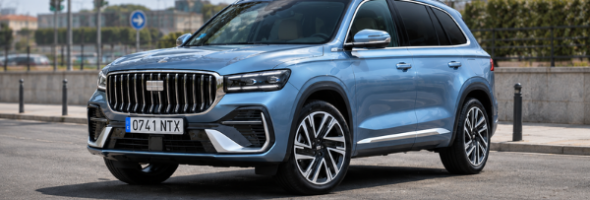
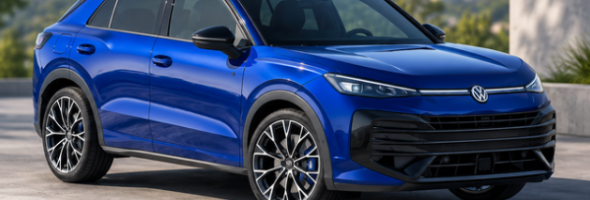
If you have been thinking about switching to an electric vehicle or a hybrid but have been put off by the price, there is good news. Used EV and hybrid prices are moving in buyers’ favor. According to the latest Carfax Used Car Index, average listing prices for used hybrids and electric vehicles fell 0.8 percent from August to September, even as prices for most other used vehicles went up. For shoppers looking to save on fuel, that creates a rare opportunity.
Why Prices Are Falling
The explanation is simple supply and demand. “When supply is up and demand is down, prices fall,” said Patrick Olsen, editor-in-chief at Carfax.
A major driver is the wave of electric vehicles coming off lease. During 2024 and 2025, many buyers leased EVs to take advantage of the $7,500 federal tax credit, which applied to leased vehicles. Those leases are now ending, and thousands of lightly used, late-model EVs are returning to dealer lots.
“There are a lot of EVs coming onto the used market off of leases,” Olsen said, describing a situation where “the supply is outstripping demand.”
By contrast, other segments are getting more expensive. In September, used sedans and hatchbacks rose 1.1 percent month over month, luxury cars climbed 0.8 percent, and vans increased 0.9 percent. The overall used market edged up 0.2 percent.
The Fuel Savings Add Up
Lower prices on used EVs and hybrids come at a time when fuel costs are high. With gasoline averaging more than $4.40 per gallon nationally, a vehicle that uses less fuel, or none at all, can save drivers hundreds or even thousands of dollars a year. Combine a lower purchase price with lower running costs, and the math becomes very attractive.
6 Tips for Buying a Used EV or Hybrid
1. Look for off-lease vehicles. Cars returning from two- or three-year leases are often low-mileage, well-maintained, and may still be under the original factory warranty.
2. Check the battery warranty. In the U.S., federal rules require EV and hybrid batteries to be covered for at least 8 years or 100,000 miles, and some states and manufacturers offer longer coverage. Confirm how much warranty remains on the car you are considering.
3. Ask for a battery health report. Many dealers and independent shops can provide a battery state-of-health report showing how much of the battery’s original capacity remains. Most modern EV batteries lose capacity slowly, but it is worth verifying.
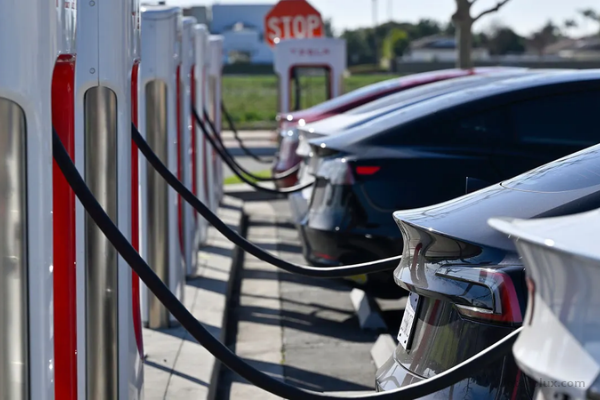
4. Think about your charging setup. If you are buying an EV, consider where you will charge. Home charging is the cheapest and most convenient option. If you cannot charge at home, a hybrid may be a better fit.
5. Choose range based on real needs. A recent survey found that 73 percent of Americans drive 75 miles or less on a typical day. You may not need the longest-range model to cover your daily routine, and shorter-range EVs are often cheaper.
6. Get a vehicle history report and an inspection. As with any used car, check the history report for accidents or flood damage, and have a trusted mechanic or EV specialist inspect the vehicle before buying.
Certified Pre-Owned Can Add Peace of Mind
Many automakers offer certified pre-owned (CPO) programs for EVs and hybrids, which typically include an inspection, extended warranty coverage, and roadside assistance. A CPO vehicle usually costs a little more than a standard used car, but the added protection can be worth it for first-time EV buyers.
The Bottom Line
The used EV and hybrid market is offering some of its best value in years. A growing supply of off-lease vehicles, prices moving in the right direction, and high fuel costs make this an ideal time to consider making the switch. With a little research and the right inspection, buyers can drive away in a modern, efficient vehicle for far less than the price of a new one.