Your car’s suspension system is one of its most critical components, responsible for keeping your tires in contact with the road, absorbing impacts, and ensuring stable, predictable handling. When it begins to fail, the consequences extend well beyond a rough ride — your safety and the safety of other road users can be seriously compromised. Knowing how to identify the early warning signs can save you money and, more importantly, prevent accidents.
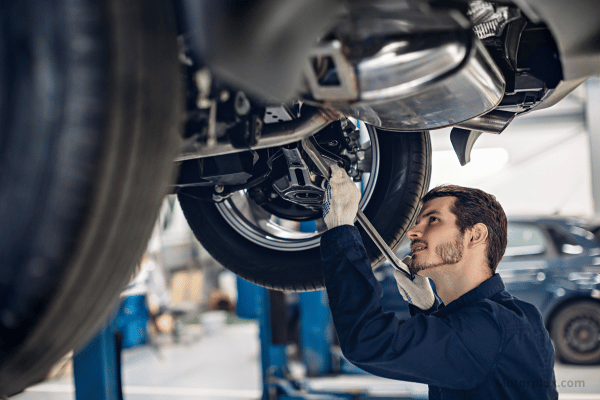
Why Suspension Health Matters
The suspension system works silently in the background during every journey, managing road imperfections and maintaining vehicle balance during cornering, braking, and acceleration. Over time, components such as shock absorbers, struts, control arms, and ball joints naturally wear down. The challenge is that deterioration tends to be gradual, making it easy for drivers to adapt to worsening conditions without realizing there is a problem.
Here are five clear signs that your suspension requires professional inspection — and potentially immediate repair.
1. Your Ride Has Become Noticeably Rougher
One of the most straightforward indicators of suspension trouble is a significant change in ride quality. If you find yourself feeling every bump, pothole, or road joint far more intensely than before, worn shock absorbers or struts are likely the culprit. A simple test is to press down firmly on the hood of your vehicle and release it. If the car bounces more than once or twice before settling, the shock absorbers may no longer be functioning as they should.
2. The Vehicle Pulls to One Side While Driving
If your car drifts or pulls consistently to the left or right when you are driving on a straight, level road, this can indicate a suspension alignment issue, a failing tie rod, or uneven wear across suspension components. While pulling can also be caused by tire pressure imbalances or brake problems, persistent directional drift that does not resolve after basic checks warrants a thorough suspension inspection.
3. Uneven or Excessive Tire Wear
Your tires tell a detailed story about the health of your suspension. When suspension components are worn or damaged, they can cause tires to make uneven contact with the road surface, leading to irregular tread wear patterns. Cupping — a scalloped or wavy wear pattern around the tire — is a particularly strong indicator of failing shock absorbers. Catching this early can prevent premature tire replacement and protect other components from additional stress.
4. Visible Damage or Oily Shocks
A visual inspection beneath your vehicle can reveal a great deal. If your shock absorbers or struts appear oily or greasy on the exterior, it is a strong sign that internal seals have failed and hydraulic fluid is leaking. Similarly, look for any components that appear bent, cracked, or physically damaged, particularly after an impact with a deep pothole, a curb, or road debris. Visible damage should never be ignored, as compromised structural components can fail unexpectedly.
5. Difficulty Steering or a “Loose” Feeling at the Wheel
A healthy suspension system contributes directly to responsive, precise steering. If your steering wheel feels unusually loose, requires more effort than normal, or if there is noticeable play before the wheels respond, this may point to worn ball joints, damaged tie rods, or failing power steering components connected to the suspension assembly. This symptom is particularly dangerous at higher speeds and should be addressed without delay.
When to Seek Professional Help
Any one of these signs on its own is reason enough to schedule a visit to a qualified mechanic. If you are experiencing multiple symptoms simultaneously, treat the situation as urgent. Driving with a compromised suspension not only increases stopping distances and reduces vehicle control, but it also places additional strain on tires, brakes, and other interconnected systems.
Preventive maintenance remains your best defense. Regular suspension inspections — particularly after high-mileage milestones or following significant impacts — allow technicians to identify wear before it reaches a critical point. Staying proactive about suspension health is not merely a matter of comfort; it is a fundamental aspect of responsible vehicle ownership and road safety.