Among the many responsibilities that come with vehicle ownership, monitoring and maintaining essential fluids is one of the most straightforward — yet frequently overlooked. These fluids are the lifeblood of your car’s mechanical systems, and allowing them to run low or become contaminated can lead to costly repairs, reduced performance, or even serious mechanical failure.
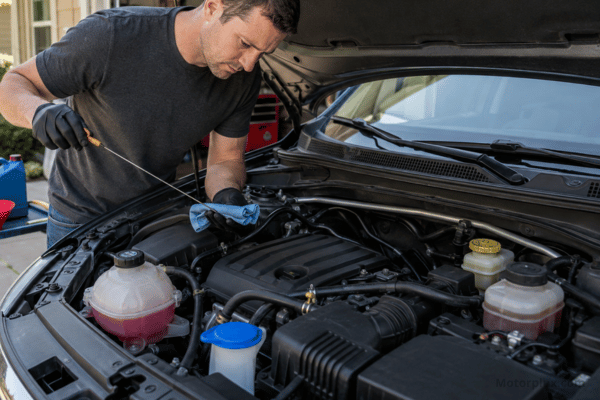
Whether you are an experienced driver or relatively new to car ownership, understanding the right way to check and top up your vehicle’s essential fluids is a fundamental skill that pays dividends over time.
Engine Oil: The First Priority
Engine oil is arguably the most critical fluid in any vehicle. It lubricates moving parts, reduces friction, and helps dissipate heat within the engine. To check it correctly, park on a level surface and wait for the engine to cool down completely. Remove the dipstick, wipe it clean with a lint-free cloth, reinsert it fully, then withdraw it again to read the level.
The oil should sit between the minimum and maximum markers. If it falls below the minimum, top it up gradually using the grade specified in your owner’s manual. Avoid overfilling, as this can create foam and reduce lubrication efficiency. Also pay attention to the oil’s color — dark, gritty oil is a sign that a full change is due rather than simply a top-up.
Coolant: Keeping Temperatures in Check
The cooling system prevents your engine from overheating, and the coolant — also known as antifreeze — is central to this process. Always check the coolant level when the engine is cold, as opening the reservoir cap on a hot engine can cause pressurized fluid to escape dangerously.
Most modern vehicles feature a translucent coolant reservoir with clearly marked minimum and maximum lines. If the level is low, add the appropriate coolant mixture as recommended by the manufacturer. Using the wrong type of coolant can damage internal components, so always verify compatibility before adding anything.
Brake Fluid: A Safety-Critical Check
Brake fluid transmits the force from your brake pedal to the braking components at each wheel. A drop in brake fluid level can indicate either normal pad wear or, more seriously, a leak in the system. The reservoir is typically located near the firewall on the driver’s side and features a translucent body with level markings.
If the level is low, use only the fluid type specified on the reservoir cap or in the owner’s manual. If the level drops again shortly after topping up, have the system inspected by a qualified technician immediately, as a leak in the braking system is a serious safety concern.
Power Steering and Windshield Washer Fluid
On vehicles equipped with hydraulic power steering, a dedicated fluid reservoir keeps the system operating smoothly. Low levels can result in heavy or unresponsive steering. Check the reservoir with the engine at operating temperature, following manufacturer guidelines, and use only the recommended fluid type.
Windshield washer fluid, while not mechanical in nature, is nonetheless important for visibility and road safety. Always use a purpose-formulated washer solution rather than plain water, which can freeze in cold conditions and fail to cut through road grime effectively.
Best Practices for a Reliable Routine
- Check fluids regularly — ideally once a month and before any long journey.
- Always use manufacturer-approved products to avoid incompatibility issues.
- Work on a cold engine whenever possible to prevent burns and inaccurate readings.
- Keep a basic top-up kit in your boot — a small bottle of oil, coolant, and washer fluid can save you in an emergency.
- Document your checks — noting dates and levels helps you spot gradual changes that might indicate an underlying issue.
A Small Habit With a Large Impact
Routine fluid checks require only a few minutes and no specialist tools, yet they represent one of the most effective forms of preventive maintenance available to any driver. By staying attentive to your vehicle’s fluid levels, you protect your investment, extend the life of critical components, and contribute to safer driving for everyone on the road.