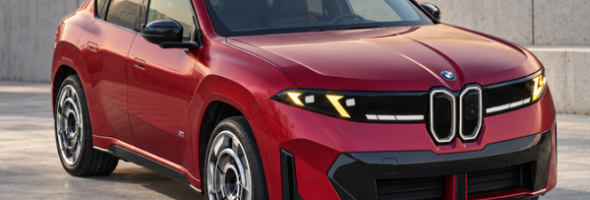
For electric vehicle owners, the battery pack is the most critical — and most expensive — component in the car. While modern lithium-ion batteries are engineered to be durable, their long-term performance is heavily influenced by how they are used and charged on a daily basis. The good news is that a few consistent habits can meaningfully extend the usable life of your battery, preserving both range and resale value over time.
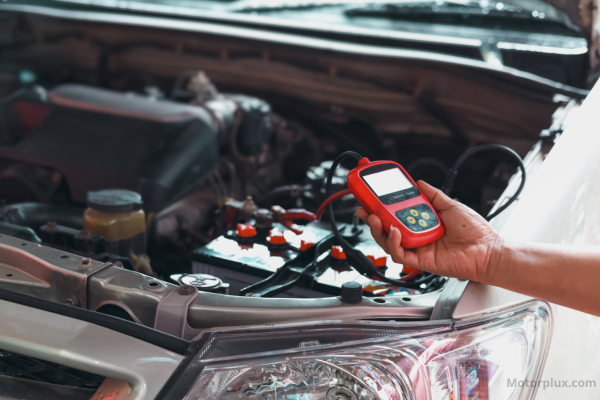
Avoid Charging to 100% Every Day
One of the most common misconceptions among new EV owners is that a full charge is always the best charge. In practice, routinely charging your battery to its maximum capacity places additional stress on the cells, accelerating degradation over time. Most manufacturers and battery engineers recommend keeping the daily charge level between 20% and 80% for regular use.
Many modern EVs allow drivers to set a charging limit directly through the vehicle’s onboard software or companion app. Using this feature as a default — and reserving a full 100% charge only for long trips — is one of the simplest and most effective steps you can take.
Don’t Let the Battery Drop Too Low
Just as overcharging can be harmful, repeatedly draining the battery to very low levels introduces a different form of stress on the cells. Allowing the state of charge to fall below 10% to 15% regularly is generally discouraged by battery specialists. Keeping the battery within a comfortable mid-range as often as possible is the overarching principle behind most manufacturer guidelines.
Use DC Fast Charging Sparingly
DC fast chargers — the kind found at highway rest stops and commercial charging networks — are incredibly convenient, especially on long journeys. However, the high-speed energy transfer involved in fast charging generates more heat, which is one of the primary drivers of battery degradation. For day-to-day charging at home, a Level 2 AC charger is the preferred option. It charges at a gentler rate that is far less taxing on the battery’s chemistry.
This doesn’t mean you should avoid fast charging entirely. It simply means that relying on it as your primary charging method — rather than a practical solution for road trips — is worth reconsidering.
Mind the Temperature
Extreme temperatures, both hot and cold, have a measurable impact on battery performance and longevity. Whenever possible, park your EV in a garage or shaded area during periods of intense heat. In cold climates, pre-conditioning the cabin while the vehicle is still plugged in allows the battery to warm up without drawing down its stored charge — a feature available on most modern electric vehicles.
Charge Regularly Rather Than Infrequently
Leaving an EV battery at a very low state of charge for extended periods — such as during a vacation or when the vehicle is in storage — can also contribute to long-term harm. If you anticipate not using your vehicle for several days or weeks, aim to leave it at a charge level of around 50%, which most battery experts consider an optimal resting point.
The Long-Term Payoff
Developing mindful charging habits requires minimal effort but delivers measurable returns. A well-maintained EV battery retains more usable capacity over the years, translates into a more consistent driving range, and holds stronger resale value in a market where battery condition is increasingly scrutinized by buyers.
Electric vehicles are designed to be low-maintenance compared to their combustion counterparts, but the battery rewards attentive ownership. Small, consistent choices made at the charger each day add up to a battery that performs reliably for the long haul.