A long road trip is one of the most rewarding experiences a driver can have. Open highways, changing landscapes, and the freedom of the road all contribute to an experience that few other activities can match. However, none of that enjoyment is possible if your vehicle is not properly prepared before you leave the driveway. A breakdown far from home is not only inconvenient — it can also be costly and, in some circumstances, dangerous.
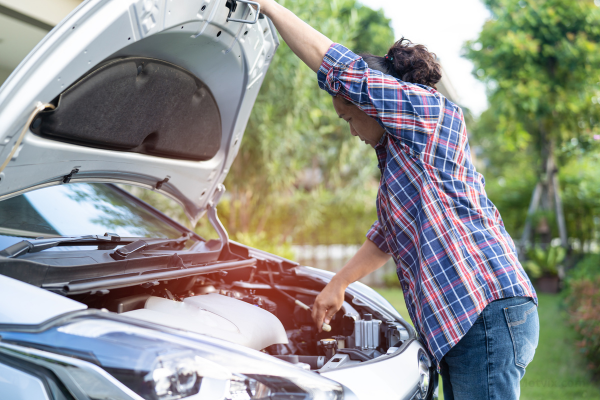
The good news is that thorough vehicle preparation does not require advanced mechanical knowledge. A systematic approach, combined with attention to detail, is enough to significantly reduce the risk of problems on the road.
Start With the Fundamentals: Fluids and Filters
Before any long journey, checking your vehicle’s essential fluids should be the first item on your list. Engine oil is the most critical — inspect both the level and the condition. If the oil appears dark and gritty, or if you are approaching your scheduled oil change interval, complete that service before departure rather than after.
Beyond engine oil, verify the following:
- Coolant levels: Ensure the reservoir is filled to the appropriate mark to prevent overheating, especially during summer travel.
- Brake fluid: Low or discolored brake fluid can indicate worn brake components that deserve immediate attention.
- Power steering fluid and transmission fluid: Often overlooked, these are essential for smooth vehicle operation over extended distances.
- Windshield washer fluid: A minor detail that becomes critical when visibility is compromised by road grime or insects.
Tires: Your Most Important Point of Contact
No component is more directly connected to your safety than your tires. Before a long trip, inspect each tire carefully — including the spare. Look for uneven wear patterns, sidewall cracking, or any visible damage. Equally important is tire pressure: driving on under-inflated tires reduces fuel efficiency, compromises handling, and accelerates wear.
Refer to your vehicle’s owner manual or the sticker located inside the driver’s door jamb for the manufacturer’s recommended pressure settings. Always check tire pressure when the tires are cold, as readings change once the rubber heats up during driving.
If your tires are nearing the end of their tread life, replacing them before a long trip is a far safer and more economical decision than dealing with a blowout on a remote stretch of highway.
Brakes, Battery, and Belts
These three components are frequently neglected until a problem becomes undeniable. Have your brake pads and rotors inspected if you have noticed any squealing, vibration, or increased stopping distances. Brakes that perform adequately around town can reveal their limitations when put under the sustained demands of highway driving.
Your vehicle’s battery should also be evaluated, particularly if it is more than three years old. Extreme temperatures — both heat and cold — accelerate battery degradation. A battery that struggles to start your engine on a cool morning in your garage is far more likely to fail entirely when you are hundreds of miles from the nearest service center.
Finally, inspect the serpentine belt and any other visible drive belts for signs of cracking, fraying, or glazing. A snapped belt on a long trip can disable your vehicle entirely.
Lights, Wipers, and Emergency Supplies
Walk around your vehicle and confirm that all exterior lights are functioning correctly — headlights, brake lights, turn signals, and hazard lights included. Replace any burned-out bulbs before departure.
Wiper blades are another detail that drivers frequently ignore until they are caught in a sudden downpour. If your wipers streak or skip across the windshield, replace them. The investment is minimal compared to the visibility they provide.
Additionally, assemble a basic emergency kit to carry in your trunk. This should include:
- A reflective warning triangle or road flares
- A first aid kit
- Jumper cables or a portable jump starter
- A flashlight with fresh batteries
- Basic tools such as a tire pressure gauge and a multi-tool
- Water and a small supply of non-perishable food
Plan the Route and Know Your Limits
Vehicle readiness is only one part of the equation. Driver readiness matters just as much. Plan your route in advance, identify rest stops and fuel stations along the way, and set realistic daily driving goals. Fatigue is one of the leading contributors to highway accidents, and no mechanical preparation can compensate for an exhausted driver behind the wheel.
Inform someone you trust of your intended route and expected arrival time. In the event of an emergency, this simple step can make a meaningful difference in how quickly help reaches you.
The Reward of a Well-Prepared Journey
Taking the time to prepare your vehicle properly before a long road trip transforms the experience. Instead of monitoring warning lights and listening anxiously for unusual sounds, you can focus on the journey itself. A well-maintained vehicle is not just safer — it is more enjoyable, more efficient, and ultimately more reliable when you need it most.