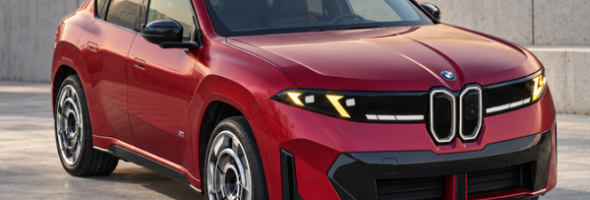
Your vehicle’s paint is not simply a cosmetic feature — it serves as a critical protective barrier between the metal body and the elements. Exposure to sunlight, rain, road salt, bird droppings, and airborne contaminants gradually degrades the clear coat and base layers, leading to oxidation, fading, and corrosion if left unaddressed.
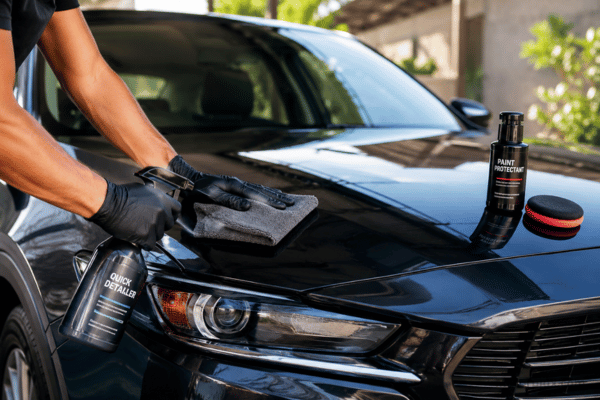
Understanding how to properly clean and protect your vehicle’s paint is one of the most practical investments a car owner can make, both for long-term preservation and resale value.
Step One: Washing Correctly From the Start
The washing process itself is where most paint damage actually begins. Using the wrong materials or technique introduces microscopic scratches — commonly called swirl marks — that dull the finish over time.
- Use pH-neutral car wash soap. Household detergents strip protective wax and sealant layers faster than weather alone.
- Use a microfiber wash mitt. Traditional sponges trap dirt particles and drag them across the surface.
- Work from top to bottom. The lower panels collect the most road grime and should be cleaned last to prevent cross-contamination.
- Rinse thoroughly and dry with a clean microfiber towel. Air drying leaves water spots that etch into the clear coat, particularly in areas with hard water.
Step Two: Decontaminating the Surface
Regular washing removes surface dirt, but certain contaminants bond chemically to the paint and require targeted treatment. Iron particles from brake dust, tree sap, and industrial fallout are common examples.
A clay bar treatment performed every few months pulls embedded contaminants from the surface, leaving it smooth and properly prepared for protection products. Apply a clay lubricant spray and glide the clay bar gently across each panel in straight lines. When done correctly, you will feel the surface transform from rough to glass-like.
Step Three: Polishing When Necessary
If the paint shows visible swirl marks, light scratches, or dullness, a light machine or hand polish can restore clarity before applying protection. Polishing involves a mild abrasive compound that levels the top layer of clear coat.
This step should not be performed excessively, as every polishing session removes a thin layer of clear coat. Reserve it for when the finish genuinely needs correction, and always follow up with a protection layer afterward.
Step Four: Choosing the Right Paint Protection
There are three main categories of paint protection available today, each with a different level of durability and investment required:
- Carnauba wax: A natural option that provides a warm, deep gloss. It requires reapplication every four to eight weeks and offers moderate protection against UV rays and light contamination.
- Synthetic sealants: Polymer-based products that bond more effectively to the clear coat and last several months. They are generally more resistant to environmental elements than traditional wax.
- Ceramic coatings: A professional-grade solution that chemically bonds to the paint, creating a semi-permanent hydrophobic layer. When properly applied and maintained, ceramic coatings can last several years and offer superior protection against UV damage, chemical contamination, and minor abrasions.
For everyday drivers seeking a balance between cost and protection, a quality synthetic sealant applied every few months represents a practical solution. Enthusiasts or those looking for long-term convenience may find that a professional ceramic coating pays for itself over time.
Ongoing Habits That Make a Difference
No single product will compensate for poor ongoing habits. A few consistent practices significantly extend the life of any paint protection system:
- Park in shaded or covered areas whenever possible to reduce UV exposure.
- Remove bird droppings and insect residue promptly — both are acidic and can etch through the clear coat within hours in warm weather.
- Avoid automated car washes with abrasive brushes, which are a leading cause of swirl marks on otherwise well-maintained vehicles.
- Use a dedicated waterless or rinseless wash product for light dust between full washing sessions.
The Long-Term Payoff
A vehicle that has been consistently cleaned and protected retains a noticeably sharper appearance over the years. Beyond aesthetics, well-maintained paint resists rust formation and commands greater value on the used car market. Treating paint care as a regular part of vehicle ownership — rather than an occasional task — is the most effective approach any driver can adopt.