Modern vehicles are equipped with sophisticated onboard diagnostic systems that constantly monitor dozens of mechanical and electronic functions. When something falls outside acceptable parameters, the car communicates through one of the most underestimated tools a driver has: the dashboard warning light. Yet for many drivers, those small illuminated icons trigger either immediate panic or, worse, complete indifference. Neither response serves you well.
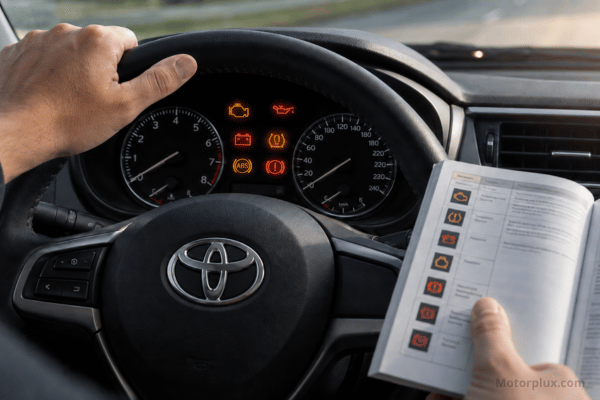
Learning to read and interpret your vehicle’s warning lights is one of the most practical skills a driver can develop. It can be the difference between a minor service visit and a catastrophic — and costly — mechanical failure.
Not All Warning Lights Are Created Equal
One of the first things to understand is that warning lights are generally organized by urgency, and color is your most important cue.
- Red lights signal an urgent or potentially dangerous condition. Stop driving as soon as it is safe to do so and seek immediate assistance.
- Yellow or amber lights indicate a caution situation. The vehicle can typically still be driven, but the issue requires attention soon.
- Green or blue lights are informational — they confirm that a system is active, such as high beams or cruise control.
This color hierarchy gives drivers an immediate sense of priority without requiring mechanical expertise.
The Warning Lights You Should Never Ignore
While every warning light deserves attention at some point, certain indicators demand immediate action.
Oil Pressure Warning
This red light — often shaped like an old-fashioned oil can — is among the most critical. Low oil pressure can cause severe engine damage within minutes. If it illuminates while driving, pull over safely and turn off the engine. Do not continue driving until the cause has been identified and resolved.
Engine Temperature Warning
An overheating engine can warp cylinder heads, damage gaskets, and lead to total engine failure. If this light appears, turn off the air conditioning, pull over when safe, and allow the engine to cool before inspecting coolant levels.
Battery Warning
This light indicates that the vehicle’s electrical charging system is not functioning properly. It may point to a failing alternator, a weak battery, or a broken drive belt. Ignoring it could leave you stranded without warning.
Brake System Warning
If this light appears while driving — and it is not simply the parking brake engaged — it may indicate low brake fluid or a more serious issue within the braking system. This directly affects your ability to stop safely and should be treated as urgent.
The Check Engine Light: Common But Complex
Few warning lights generate more confusion than the check engine light. It can represent anything from a loose fuel cap to a malfunctioning oxygen sensor or catalytic converter issue. While it is not always an emergency, it should never be dismissed as insignificant.
The most reliable course of action is to have the vehicle scanned with an OBD-II diagnostic tool, available at most automotive retailers or through a mechanic. This retrieves the specific fault code and removes the guesswork entirely.
Building Good Habits Around Dashboard Awareness
Responding well to warning lights starts before they even appear. A few practical habits can help:
- Take a moment each morning to glance at your dashboard as the car starts. Most warning lights briefly illuminate during startup as part of a self-check.
- Keep your owner’s manual accessible — either physically or as a digital download — so you can quickly reference unfamiliar symbols.
- Schedule regular maintenance checks, as many warning lights are preventable through routine servicing.
- When in doubt, consult a qualified mechanic rather than relying solely on online searches.
Prevention Is Always Cheaper Than Repair
The warning light system in your vehicle exists precisely to give you advance notice — a window of opportunity to act before a small issue becomes a significant expense. Treating these signals with the appropriate level of attention reflects not just good automotive knowledge, but responsible ownership.
In automotive maintenance, as in most areas of life, early action is almost always the more affordable choice.