Engine overheating is one of the most serious mechanical emergencies a driver can face on the road. Left unaddressed, it can lead to warped cylinder heads, damaged gaskets, or even complete engine failure — repairs that can cost more than the vehicle itself is worth. The good news is that overheating rarely happens without warning. Understanding the early signs gives drivers a critical window to act before costly damage sets in.
The First Warning Signal: The Temperature Gauge
Every modern vehicle is equipped with an engine temperature gauge on the dashboard. Under normal operating conditions, the needle should sit comfortably in the middle range. If you notice the gauge climbing toward the red zone or the high-temperature warning light illuminates, treat it as an immediate alert — not something to monitor casually while continuing to drive.
Many drivers overlook a slowly creeping gauge, assuming the vehicle will stabilize on its own. In most cases, it will not. A rising temperature reading is the earliest and most reliable indicator that something is wrong within the cooling system.
Steam or Smoke Rising from the Hood
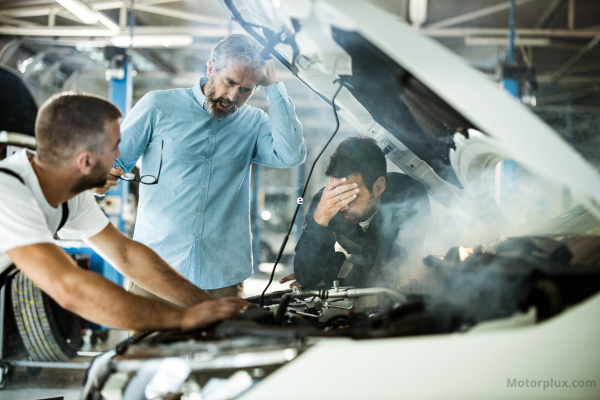
Visible steam or smoke emerging from beneath the hood is a clear sign that the engine has already reached a dangerous temperature level. This typically occurs when coolant boils over from the reservoir or radiator. If you observe this while driving, pull over safely as soon as possible, turn off the engine, and avoid opening the hood immediately — pressurized steam can cause serious burns.
Unusual Smells Inside or Outside the Vehicle
A sweet, syrup-like odor — often described as burnt caramel — is a common indicator of leaking or overheating coolant. Similarly, a sharp, acrid smell may signal that engine components are running at abnormally high temperatures. These odors can appear before any visible symptoms, making them an important early warning to take seriously.
Reduced Engine Performance and Strange Sounds
As an engine begins to overheat, performance often degrades noticeably. Drivers may experience:
- Sluggish acceleration or a sudden loss of power
- Knocking or pinging sounds from the engine bay, caused by irregular combustion under excessive heat
- Rough idling or unusual vibrations at a stop
These symptoms suggest that the engine is struggling to maintain normal operating conditions, which is often directly tied to thermal stress on internal components.
Coolant Leaks and Low Fluid Levels
Routine checks under the hood can reveal problems before they escalate. If you notice puddles of brightly colored liquid — typically green, orange, or pink — beneath your parked vehicle, a coolant leak may be present. Low coolant levels reduce the system’s ability to regulate engine temperature effectively, making overheating far more likely, particularly during high-demand driving conditions such as highway travel or towing.
What to Do If You Suspect Overheating
If any of these warning signs appear while driving, the recommended course of action is straightforward:
- Turn off the air conditioning immediately to reduce engine load.
- If safe to do so, turn on the cabin heater, which can help draw heat away from the engine.
- Pull over safely and shut off the engine.
- Wait at least 30 minutes before checking coolant levels — never remove the radiator cap on a hot engine.
- Contact a roadside assistance service if the problem persists.
Prevention Is Always the Best Strategy
Regular maintenance remains the most effective defense against engine overheating. This includes periodic coolant flushes, inspecting hoses and the radiator for wear or blockages, and ensuring the thermostat and water pump are functioning correctly. A well-maintained cooling system significantly reduces the risk of encountering a thermal emergency on the road.
Being attentive to your vehicle’s behavior and acting quickly at the first sign of trouble are habits that separate informed drivers from those who face avoidable breakdowns. Engine overheating is manageable — but only if you recognize the warning signs early enough to respond.