With the average vehicle on US roads now older than ever, more drivers than ever are asking the same practical question: what can I actually do to make my car last longer? The good news is that the habits that matter most aren’t expensive or complicated — they’re small, consistent routines that, done regularly, can meaningfully extend the useful life of almost any vehicle, gas or electric.
Follow your maintenance schedule — even when nothing feels wrong
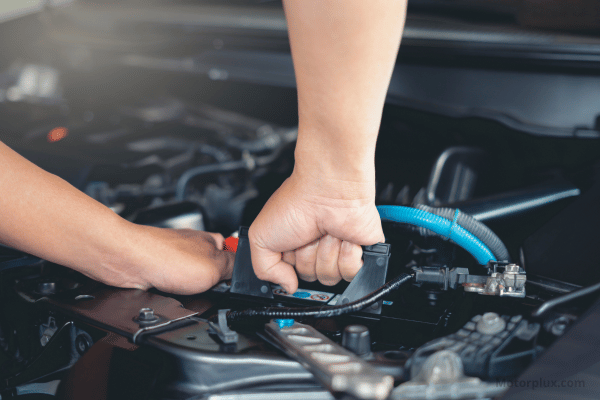
The single most effective thing any driver can do is simple in theory and easy to skip in practice: actually follow the manufacturer’s recommended maintenance schedule, found in your owner’s manual, rather than waiting for a warning light or an obvious problem. Oil changes, filter replacements, and fluid checks are designed to happen before components wear out, not after. Skipping a scheduled service because the car “seems fine” is one of the most common ways small, cheap fixes turn into large, expensive ones down the road. Set a calendar reminder or use your dealership’s or mechanic’s tracking system so maintenance happens on schedule rather than whenever it happens to come to mind.
Keep an eye on your tires — they affect more than you think
Tire maintenance is one of the easiest habits to build and one of the most impactful for both safety and longevity. Check tire pressure monthly, since underinflated tires wear unevenly, reduce fuel or energy efficiency, and put extra strain on your vehicle’s suspension components over time. Rotating your tires on the schedule your manufacturer recommends — typically every 5,000 to 7,500 miles — helps them wear evenly, extending their usable life and saving you from a full replacement sooner than necessary. It’s also worth periodically checking tread depth; tires with worn tread not only compromise safety in wet conditions but can also mask developing issues elsewhere in the suspension or alignment.
Don’t ignore small sounds, smells, or dashboard warnings
A new noise, a change in how the car handles, or an unfamiliar smell rarely fixes itself, and addressing these early is almost always cheaper and less disruptive than waiting until the problem forces a repair. Dashboard warning lights exist specifically to catch developing issues before they become serious ones — a check-engine light might indicate something as minor as a loose gas cap or something more significant, but either way, getting it checked promptly rather than driving with it illuminated for weeks is one of the most reliable ways to prevent a small issue from becoming a major repair bill.
Wash and protect the exterior — rust is more preventable than you think
Regular washing does more than keep your car looking good; it removes road salt, dirt, and other corrosive materials that can accelerate rust and paint damage over time, particularly in regions with harsh winters where road salt is common. Waxing periodically adds a protective layer that helps the paint resist the elements, and addressing small chips or scratches before they spread helps prevent rust from taking hold in places that are far more expensive to repair once corrosion sets in. For drivers in colder climates, a thorough undercarriage wash after winter driving is a small habit that pays off considerably over the years.
Give your battery, brakes, and belts periodic attention
A handful of components benefit from periodic manual inspection beyond the standard maintenance schedule. Have your battery terminals checked for corrosion, particularly before extreme heat or cold seasons, since temperature swings are one of the most common causes of battery failure. Have brake pads and rotors inspected at each maintenance visit rather than waiting for a grinding sound, since catching brake wear early is both safer and considerably cheaper than replacing a rotor that’s been damaged by worn-down pads. If your vehicle uses a timing belt or serpentine belt, know its recommended replacement interval — these components typically don’t give much warning before failing, and a failed belt can cause much more extensive engine damage than the cost of replacing it on schedule.
Drive in a way that’s easier on your vehicle
How you drive day to day has a real, cumulative effect on how long your car lasts. Gentle acceleration and braking reduce wear on your engine, transmission, and brake components alike, while allowing your engine to properly warm up before demanding full power helps reduce long-term wear, especially in colder weather. If your vehicle has a towing capacity limit, respecting it protects your transmission and suspension from strain they weren’t designed to handle regularly.
The bottom line
None of these habits require significant time, money, or mechanical expertise — they’re mostly about consistency and paying attention. A vehicle that’s driven reasonably, maintained on schedule, and given prompt attention when something seems off will reliably outlast one that’s neglected between problems, regardless of make or model. With the right habits, getting well past the decade mark with your current vehicle isn’t just possible — for most well-built cars today, it’s the expectation.