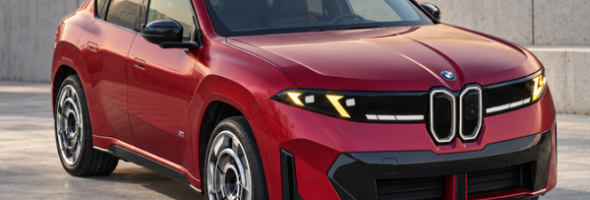
There is something undeniably exciting about driving a brand-new car off the lot. The smell, the feel of untouched controls, the confidence of a full warranty — it all creates a sense that everything is already perfect. And that feeling, more than anything else, is precisely why most drivers never properly break in their new vehicle.

What Does “Breaking In” a Car Actually Mean?
Engine break-in refers to a controlled period of gentle, varied use during the first several hundred miles of a vehicle’s life. During this time, the moving metal components inside the engine — pistons, rings, cylinder walls, and bearings — are still settling into their final tolerances. These parts are precisely machined, but microscopic surface irregularities remain. Careful early use allows them to wear smoothly against each other, creating a better long-term fit.
The same principle applies to brake pads and rotors, transmission components, and even tires. The break-in period is not a myth or a relic of older engineering — it is a mechanical reality, even if modern manufacturing has made it less critical than it once was.
The Recommended Approach
Most vehicle manufacturers include break-in guidelines in the owner’s manual, though they are easy to overlook. The general principles tend to be consistent across the industry:
- Avoid high RPMs early on. During the first 500 to 1,000 miles, keep engine revs moderate. Pushing the engine hard before components have seated properly can cause accelerated wear.
- Vary your driving speed and load. Driving at a single constant speed for extended periods is not ideal during break-in. Varying speed and throttle input helps different parts of the engine experience a range of conditions, promoting more even seating.
- Avoid aggressive braking when possible. New brake pads and rotors also benefit from a gradual bedding process. Light to moderate braking in the early miles helps the contact surfaces mate correctly.
- Do not tow or carry heavy loads immediately. Placing maximum stress on a brand-new drivetrain before it has had time to settle is best avoided.
- Consider an early oil change. Some automotive experts recommend changing the engine oil earlier than the first scheduled interval on a new vehicle. The initial oil can collect fine metal particles produced during the seating process.
Why Most Drivers Skip It
The reasons are largely psychological and cultural. Modern cars are marketed as ready to perform from the moment they leave the factory, and that messaging is effective. Dealers rarely walk buyers through break-in procedures at delivery. Owner’s manuals, which contain the information, are among the least-read documents in existence.
There is also a widespread assumption that because modern engines are built with greater precision than those of previous decades, break-in is no longer necessary. While it is true that tolerances have improved dramatically, the fundamental physics of new metal components settling against each other has not changed. The process is just more forgiving than it used to be — not irrelevant.
Additionally, many new car buyers are eager to experience full performance right away. The temptation to open up a new engine on the first highway on-ramp is real and understandable.
The Long-Term Case for Doing It Right
Breaking in a car properly does not guarantee a trouble-free ownership experience, and skipping it does not guarantee problems. However, the argument for following break-in recommendations comes down to a simple principle: components that seat correctly under controlled conditions tend to perform better and last longer than those subjected to heavy stress before they are fully ready.
For a vehicle that represents a significant financial investment — and that most owners expect to keep for years — taking a few hundred miles to drive with restraint is a reasonable trade-off.
The right way to break in a new car is not complicated. It just requires patience, something that is easy to forget when everything about a new vehicle feels like an invitation to drive fast.