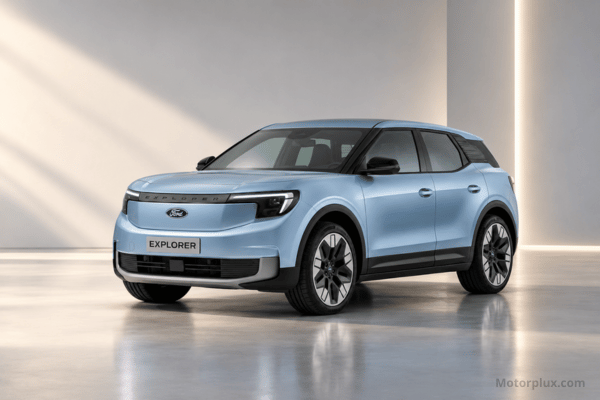
Ford is broadening its electric vehicle strategy in Europe by expanding the Explorer EV lineup with two new trim levels and a revised technology package. The move signals the American automaker’s intent to compete more aggressively in the rapidly evolving electric SUV segment, offering buyers a wider range of entry points and feature sets to match their needs and budgets.
Two New Trim Levels Enter the Picture
The addition of two new configurations to the Explorer EV range reflects a deliberate approach to addressing market segmentation. By introducing options that sit at different price and equipment tiers, Ford aims to attract buyers who may have found the previous lineup either too limited in scope or misaligned with their expectations.
The lower-tier addition is designed to make the Explorer EV more accessible to cost-conscious consumers who want to transition into electric mobility without committing to a fully loaded premium configuration. Meanwhile, the higher-spec variant caters to drivers seeking a more refined experience, with an emphasis on comfort, connectivity, and driving capability.
This kind of tiered strategy is increasingly common among automakers looking to scale their EV portfolios. Rather than relying on a single configuration to serve an entire audience, manufacturers are recognizing the value of offering distinct packages that speak directly to different buyer profiles.
A Revised Technology Package Across the Board
Alongside the new trims, Ford has updated the Explorer EV’s technology suite, targeting improvements in areas that matter most to modern drivers. The revised package is expected to touch on infotainment, driver assistance systems, and connectivity features — all of which have become central decision factors for electric vehicle buyers.
Enhanced software integration and more intuitive interfaces are increasingly becoming competitive differentiators in the EV space. Ford’s decision to refresh the tech package suggests the company is listening closely to user feedback and responding with meaningful updates rather than purely cosmetic changes.
Improvements to driver assistance features, in particular, reflect the broader industry push toward semi-autonomous capabilities and smarter safety systems. As regulations tighten and consumer expectations rise, having a competitive driver assistance suite is no longer optional — it is a baseline requirement.
Strategic Context: Ford’s EV Ambitions in Europe
The Explorer EV has served as one of Ford’s primary tools for establishing a credible electric presence in the European market. Built on a platform developed in collaboration with Volkswagen, the model represents a significant strategic bet on shared development to reduce costs and accelerate time-to-market.
Expanding the lineup at this stage reflects confidence in the Explorer EV’s reception and a desire to build on existing momentum. As competition in the electric SUV category intensifies — with established European brands and new entrants alike vying for market share — standing still is not a viable strategy.
Ford’s approach with the Explorer EV also aligns with a wider pattern across the industry: launching a core model and then progressively expanding it to cover more of the market. This method allows automakers to gather real-world data, respond to buyer preferences, and invest in updates that have the greatest commercial impact.
What This Means for Buyers
For prospective Explorer EV buyers, the expanded lineup translates into greater flexibility. Whether the priority is affordability, technology, or a balance of both, the updated range is better positioned to deliver a relevant option without requiring significant compromise.
The revised tech package, in particular, ensures that even buyers who opt for an entry-level trim benefit from updated software and connectivity standards — a detail that matters considerably in an era where vehicles are expected to evolve through software as much as hardware.
Closing Thoughts
Ford’s decision to expand the Explorer EV lineup is a measured and commercially logical step. By adding trim diversity and refreshing the technology offering, the brand strengthens its position in a segment that continues to grow in importance across European markets. How buyers respond will provide a valuable indicator of whether the strategy hits the right notes at the right time.