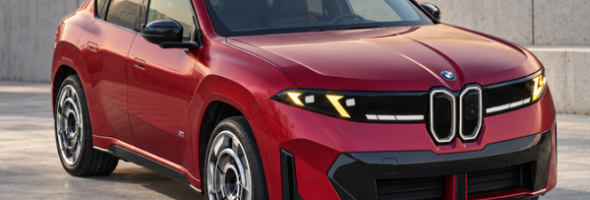
Mercedes-Benz has unveiled an updated version of its CLA, introducing a thoroughly reimagined interior anchored by a fully digital architecture and a meaningful improvement in electric driving range. The reveal marks a significant step forward for one of the brand’s most strategically important nameplates, positioning the new CLA as a direct answer to growing consumer demand for technology-rich, efficient premium vehicles.
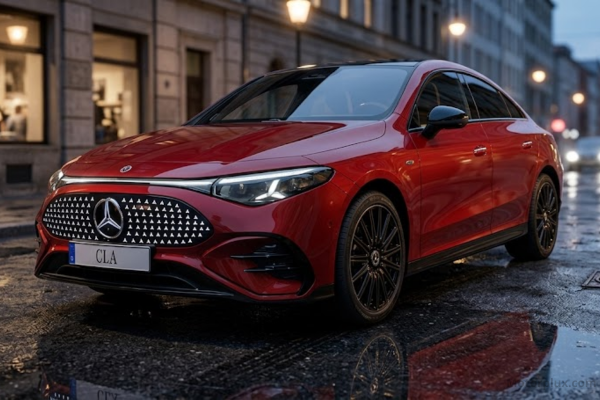
The updated model reflects a broader industry movement: buyers in the compact luxury segment are no longer willing to accept compromises on either connectivity or sustainability. Mercedes-Benz appears to have taken that shift seriously.
A Cabin Designed Around the Digital Experience
At the heart of the new CLA’s transformation is its interior. Mercedes-Benz has replaced conventional instrumentation and physical controls with a fully digital cockpit environment, extending screens and interface elements across the dashboard in a seamless, integrated layout. The approach echoes design philosophies already seen in the brand’s flagship models, but now brings them within reach of a more accessible price bracket.
The human-machine interface has also been refined. Voice control, touch-sensitive surfaces, and an updated version of the MBUX infotainment system work together to minimize driver distraction while keeping core functions intuitive and responsive. Ambient lighting, configurable displays, and a cleaner physical design language contribute to a cabin that feels markedly more modern than its predecessor.
This digital-first approach is not merely cosmetic. It signals that Mercedes-Benz is treating software as a core product differentiator — a strategy increasingly common among manufacturers competing in the electric and premium segments simultaneously.
Extended Range Addresses a Key Buyer Concern
Alongside the interior overhaul, Mercedes-Benz has prioritized one of the most cited hesitations among electric vehicle buyers: range anxiety. The updated CLA offers a longer electric driving range compared to earlier iterations of the model, achieved through improvements in battery technology, energy management, and aerodynamic efficiency.
While exact figures vary by market and configuration, the direction is clear: the new CLA is designed to handle daily commuting, intercity trips, and extended journeys with greater confidence. Faster charging capabilities further reduce downtime, making the vehicle a more practical proposition for drivers who rely on it as a primary car.
These range and efficiency improvements position the updated CLA competitively against rivals from Audi, BMW, and a growing number of electric-native brands encroaching on the premium compact space.
Strategic Importance for the Brand
The CLA has long served as an entry point into the Mercedes-Benz ecosystem — a vehicle that attracts younger buyers and those stepping into the brand for the first time. Updating it with flagship-level technology and improved electric credentials is a deliberate move to retain those customers over the long term and to attract a new generation of environmentally conscious premium buyers.
By aligning the CLA more closely with the brand’s broader electrification and digitalization roadmap, Mercedes-Benz reinforces its commitment to transitioning its full lineup toward software-defined, electrified mobility — without abandoning the premium experience its customers expect.
What This Means for the Market
The arrival of the updated CLA sends a clear signal to competitors: technology and range are no longer optional features in the premium compact segment — they are table stakes. As consumer expectations continue to rise and regulatory pressure pushes the industry toward electrification, vehicles like the new CLA set the benchmark against which others will be measured.
For buyers currently in the market for a premium compact, the updated Mercedes-Benz CLA represents one of the most compelling options available, combining a sophisticated digital interior with the real-world practicality of an extended electric range.