Toyota has taken a significant step in its North American electrification strategy by announcing official launch pricing for the updated RAV4 Plug-In Hybrid. The move signals the Japanese automaker’s continued push to make electrified vehicles more accessible to mainstream buyers across the United States and Canada, where demand for practical, fuel-efficient SUVs remains consistently strong.
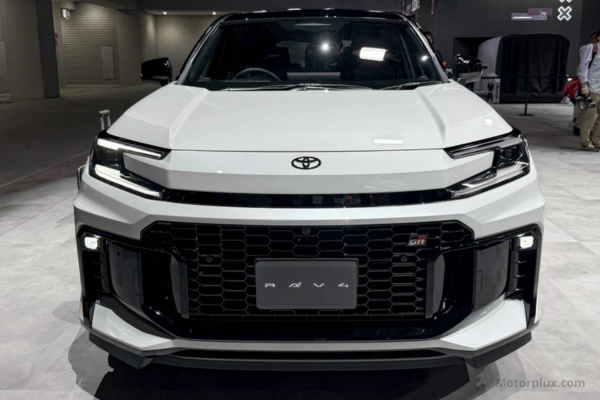
The RAV4 Plug-In Hybrid has long been one of the most compelling entries in Toyota’s electrified lineup, combining a familiar and versatile SUV platform with a powertrain that allows drivers to cover everyday distances on electric power while retaining the convenience of a combustion engine for longer trips. The updated model builds on that foundation with refinements that Toyota says are aimed at improving efficiency, interior quality, and overall driving experience.
A Strategic Pricing Approach
Pricing strategy plays a central role in the broader appeal of any plug-in hybrid vehicle. Toyota appears to have positioned the updated RAV4 PHEV competitively within a segment that has grown increasingly crowded in recent years. By establishing a clear and structured pricing tier across trim levels, the brand aims to attract both first-time electrified vehicle buyers and current Toyota owners looking to transition toward lower-emissions driving without fully committing to a battery-electric platform.
For many consumers in North America, the plug-in hybrid format remains the most practical entry point into electrified driving. The ability to charge at home for short daily commutes — while avoiding range anxiety on road trips — continues to resonate with buyers who may not yet have reliable access to public fast-charging infrastructure.
What the Updated Model Brings
The refreshed RAV4 Plug-In Hybrid introduces a series of enhancements that go beyond cosmetic updates. Toyota has focused on improving the vehicle’s electric driving range, which is a key consideration for buyers evaluating the real-world value of a plug-in hybrid over a standard hybrid or a conventional combustion engine model.
Interior upgrades are also part of the package, with attention given to infotainment connectivity, driver assistance technology, and overall cabin refinement. These additions align with a broader industry trend toward software-rich vehicle experiences, where digital features are increasingly seen as core purchase motivators alongside mechanical performance.
All-wheel drive capability, delivered through Toyota’s electronic on-demand system, remains a standard feature — an important factor for North American buyers who frequently encounter variable weather and road conditions.
The Bigger Picture for Toyota
This announcement fits into Toyota’s larger global strategy, which continues to emphasize a multi-pathway approach to decarbonization. Rather than committing exclusively to battery-electric vehicles, Toyota has maintained that hybrids and plug-in hybrids serve a critical role in reducing fleet emissions at scale — particularly in markets where charging infrastructure is still developing.
The RAV4 remains one of the best-selling vehicles in North America, and the PHEV variant has consistently drawn strong consumer interest since its introduction. By updating the model and establishing competitive pricing, Toyota is reinforcing the RAV4’s position as a pillar of its North American sales strategy for the years ahead.
Looking Ahead
As the plug-in hybrid segment continues to evolve and more manufacturers introduce competing models, Toyota’s ability to maintain strong value perception will be essential. The updated RAV4 Plug-In Hybrid, backed by the brand’s reputation for reliability and long-term ownership satisfaction, appears well-positioned to remain a leading choice for North American buyers navigating the transition toward electrified transportation.
Further details regarding availability timelines and full specification breakdowns across trim levels are expected to be released as the model’s market launch approaches.