Volvo Cars is expanding its compact electric SUV lineup by adding an all-wheel drive performance variant to the EX30 range. The move signals the Swedish automaker’s intention to broaden the model’s appeal beyond urban commuters and entry-level EV buyers, targeting drivers who want a more dynamic and capable electric experience without stepping up to a larger vehicle.
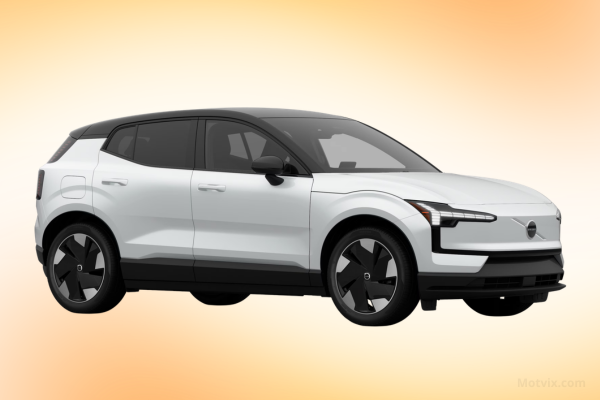
The EX30 has already established itself as one of Volvo’s most accessible electric offerings, praised for its compact footprint, minimalist interior design, and strong range credentials. Now, with the introduction of an all-wheel drive configuration, Volvo is clearly listening to a segment of its customer base that prioritizes performance alongside sustainability.
What the AWD Variant Brings to the Table
By adding a second electric motor to the EX30’s architecture, Volvo is able to deliver power to both axles simultaneously. This dual-motor setup not only improves acceleration figures significantly compared to the single-motor rear-wheel drive version, but it also enhances traction and stability in adverse weather conditions — a particularly relevant feature for Volvo’s traditional customer base in colder, Nordic-influenced markets.
All-wheel drive electric vehicles generally benefit from near-instant torque distribution between axles, which translates into sharper, more confident handling. The performance EX30 variant is expected to reflect this advantage, offering a noticeably sportier driving character while retaining the refinement and safety standards that define the Volvo brand.
A Strategic Move Within a Competitive Segment
The compact electric SUV segment has grown increasingly competitive in recent years, with numerous manufacturers introducing models that challenge on price, range, and performance simultaneously. By expanding the EX30 lineup rather than replacing it, Volvo is adopting a tiered approach that allows buyers to self-select based on their priorities — whether that means maximum range efficiency or maximum driving engagement.
This strategy also helps Volvo extract greater commercial value from an already established platform. Developing a performance variant requires significantly less investment than launching an entirely new model, while still generating fresh media attention and renewed consumer interest in the nameplate.
Performance and Sustainability: A Growing Expectation
One of the most notable shifts in EV consumer sentiment over the past few years is the growing expectation that electric vehicles should not require buyers to compromise on driving dynamics. Range anxiety, once the dominant concern, has gradually given way to questions about performance, handling, and the overall driving experience.
Volvo’s decision to introduce a performance-oriented AWD variant of the EX30 reflects this shift directly. The brand is acknowledging that its electric customers are increasingly sophisticated in their demands — they want clean, efficient transportation, but they also want a car that feels alive behind the wheel.
Looking Ahead
As Volvo continues its broader transition toward full electrification, lineup diversification within existing models is likely to become a recurring theme. Offering multiple powertrain configurations under a single nameplate allows the brand to serve a wider audience while maintaining production efficiencies and consistent design language.
The EX30 AWD performance variant represents a confident step in that direction. For potential buyers who admired the original EX30 but wanted more capability, Volvo now has a compelling answer — and for the brand itself, it is another opportunity to reinforce its credentials as a serious player in the premium electric vehicle space.