Even the most experienced drivers can find themselves involved in a minor collision. Whether it is a low-speed fender bender in a parking lot or a gentle rear-end tap at a traffic light, the moments immediately following the incident are critical. Knowing how to respond calmly and correctly can protect your health, your finances, and your legal standing.
Stay Calm and Assess the Situation
The first instinct after a collision is often panic. However, taking a slow breath and evaluating the situation before acting is essential. Check yourself for any signs of injury, no matter how minor they may seem. Adrenaline can mask pain, so do not assume that because you feel fine in the moment, you are unharmed.
If your vehicle is drivable and it is safe to do so, move it to the side of the road or a nearby parking area to avoid obstructing traffic. Turn on your hazard lights immediately to alert other drivers.
Call the Authorities When Necessary
Many drivers assume that a minor collision does not require a police report. In reality, having an official record of the incident can be invaluable when dealing with insurance companies or potential legal disputes later on. In many jurisdictions, it is legally required to report accidents that result in injury or significant property damage.
Even in cases where a report is not mandatory, contacting local authorities to document the incident is always a sound decision. A neutral third-party record removes ambiguity and protects all parties involved.
Exchange Information Thoroughly
Once everyone involved is safe and the scene is secure, exchange the following information with the other driver or drivers:
- Full name and contact details
- Driver’s license number
- Vehicle registration and license plate number
- Insurance company name and policy number
Be polite and cooperative, but avoid making statements that could be interpreted as admissions of fault, such as apologizing or saying the accident was your mistake. Leave fault determination to the authorities and insurance professionals.
Document Everything at the Scene
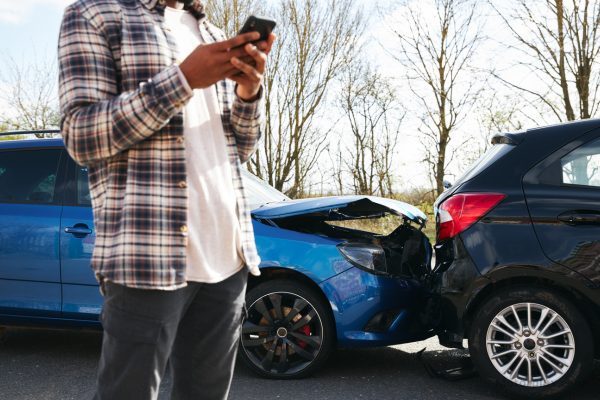
Your smartphone is one of the most powerful tools available after a collision. Use it to photograph all vehicles involved, showing damage from multiple angles. Capture the surrounding environment, including road conditions, traffic signs, skid marks, and any relevant landmarks. If there are witnesses, ask for their contact information, as their account of events may prove useful.
Take note of the time, date, and exact location of the incident. These seemingly minor details can carry significant weight during an insurance claim or legal proceeding.
Notify Your Insurance Company Promptly
Contact your insurance provider as soon as possible, even if you believe the other driver is at fault. Most policies require timely notification of any incident, regardless of who is responsible. Delaying this step can complicate your claim and, in some cases, may even affect your coverage.
When speaking with your insurer, provide a factual and concise account of what happened. Share the documentation and information you collected at the scene, and follow their guidance on next steps regarding vehicle assessment and repairs.
Seek Medical Attention Even Without Obvious Injuries
Certain injuries, such as whiplash or soft tissue damage, may not present symptoms until hours or even days after the incident. Visiting a medical professional after any collision, however minor, is strongly recommended. A medical evaluation creates a documented record that links any subsequent symptoms directly to the collision, which is important for both health and insurance purposes.
Stay Organized in the Days That Follow
Keep all documents related to the incident in one place: the police report, insurance correspondence, medical records, repair estimates, and any photographs taken at the scene. Maintaining a clear paper trail ensures that you are prepared for any follow-up questions from your insurer or, if necessary, legal counsel.
A minor collision may feel like a small disruption, but handling it with care and thoroughness is one of the most responsible decisions a driver can make.
By staying composed, gathering the right information, and following proper procedures, you give yourself the best possible foundation to resolve the situation efficiently and without unnecessary stress.