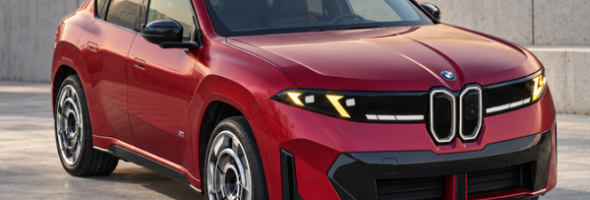
The race to integrate artificial intelligence into vehicles is no longer a distant vision — it is happening right now, reshaping the way cars are designed, built, and experienced. Across the globe, major automakers are channeling significant resources into AI-driven technologies, signaling a fundamental shift in what it means to drive a modern vehicle.
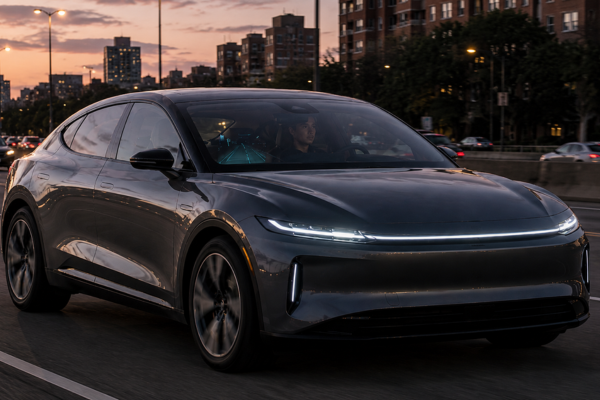
From advanced driver assistance systems to fully personalized in-cabin experiences, artificial intelligence is becoming the backbone of next-generation automotive development. The question is no longer whether AI will define the future of mobility, but how quickly manufacturers can bring that future to the road.
Where AI Is Making the Biggest Impact
Smarter Driver Assistance Systems
One of the most visible applications of artificial intelligence in modern vehicles is in the realm of driver assistance. AI-powered systems are now capable of processing vast amounts of real-time data — from camera feeds and radar sensors to GPS mapping — to make split-second decisions that improve safety and reduce driver fatigue.
These systems go well beyond basic cruise control or lane-keeping alerts. Modern AI platforms can anticipate potential hazards, adapt to complex traffic scenarios, and continuously learn from driving patterns to refine their responses over time. The result is a driving experience that feels increasingly intuitive and responsive.
Predictive Maintenance and Vehicle Health Monitoring
AI is also transforming the way vehicles communicate their own condition. Through onboard sensors and machine learning algorithms, connected vehicles can monitor mechanical health in real time, identifying potential issues before they escalate into costly repairs.
This shift from reactive to predictive maintenance represents a significant benefit for both consumers and fleet operators. Rather than waiting for a warning light to appear, drivers can receive proactive alerts and service recommendations — reducing downtime and extending vehicle longevity.
Personalized In-Cabin Experiences
Inside the vehicle, artificial intelligence is redefining the relationship between driver and car. AI-driven infotainment systems are now capable of learning individual preferences — from climate settings and seat positions to preferred music genres and navigation routes — and adapting automatically without manual input.
Voice recognition technology, powered by natural language processing, is becoming increasingly sophisticated, enabling more natural and conversational interactions between drivers and their vehicles. This evolution is making the cabin a more comfortable, efficient, and personalized environment.
The Role of Software-Defined Vehicles
Central to this AI transformation is the rise of the software-defined vehicle — a concept that treats the car as a platform that can be continuously updated and improved through over-the-air software upgrades. Much like a smartphone, these vehicles can gain new features, performance enhancements, and security patches long after they leave the factory floor.
This model not only reduces development costs but also allows automakers to maintain a direct and ongoing relationship with their customers, delivering value throughout the entire ownership lifecycle rather than only at the point of sale.
Challenges That Still Lie Ahead
Despite the remarkable momentum, the path to fully AI-integrated vehicles is not without its obstacles. Data privacy concerns, cybersecurity vulnerabilities, and the need for robust regulatory frameworks remain critical issues that the industry must address with transparency and responsibility.
Additionally, ensuring that AI systems perform reliably across diverse road conditions, weather environments, and geographic regions requires extensive testing and validation — a process that demands both time and investment.
A Transformative Moment for the Industry
The integration of artificial intelligence into next-generation vehicles represents one of the most significant technological transitions the automotive industry has ever undergone. As automakers accelerate their AI strategies, the vehicles of tomorrow promise to be safer, smarter, and more connected than anything that has come before.
For consumers, this evolution offers a compelling vision: a driving experience that is not only more efficient and enjoyable, but one that actively works to protect and serve the people inside the vehicle. The road ahead is being built in code as much as it is in steel.