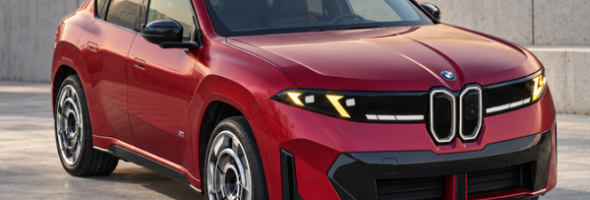
China’s electric vehicle industry is experiencing a remarkable export boom, with manufacturers shipping unprecedented volumes of battery-powered cars to markets around the world. Yet this milestone arrives at a complex moment: European authorities are actively constructing trade barriers designed to slow the tide of Chinese-made EVs entering the continent’s market.
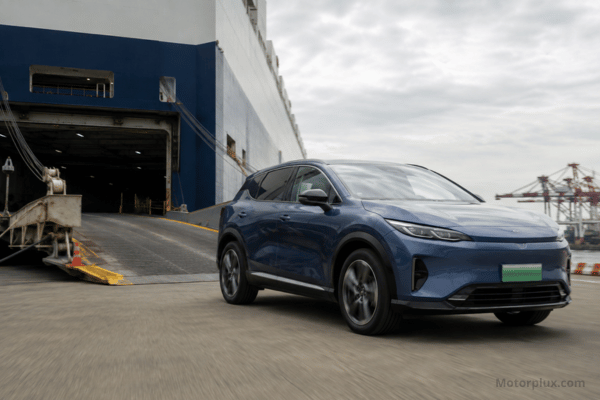
The tension between China’s expanding global automotive footprint and Europe’s protectionist response is reshaping the dynamics of international trade in ways that will likely define the electric vehicle landscape for years to come.
The Scale of China’s EV Export Growth
Chinese automakers, including established brands and newer pure-play electric vehicle manufacturers, have transformed themselves into formidable global competitors in a remarkably short period. Backed by substantial domestic investment, vertically integrated supply chains, and competitive pricing strategies, Chinese EV producers have found growing demand in markets across Southeast Asia, Latin America, the Middle East, and, until recently, Europe.
The country’s ability to produce electric vehicles at lower cost than many Western rivals has been a central factor in its export success. Advanced battery manufacturing capabilities, economies of scale, and strong government support have collectively enabled Chinese brands to offer vehicles with competitive specifications at price points that challenge established European and American manufacturers.
Europe Moves to Protect Its Automotive Sector
In response to this rapid market penetration, European policymakers have moved decisively. The European Union has introduced additional tariffs on Chinese-manufactured electric vehicles, citing concerns over state subsidies that are alleged to give Chinese producers an unfair competitive advantage. These measures represent one of the most significant trade interventions in the automotive sector in recent decades.
European automakers, many of whom are themselves navigating a costly and uncertain transition toward electrification, have broadly supported the measures. The fear is straightforward: without protective barriers, Chinese EVs could undercut European-made vehicles on price, threatening domestic production jobs and industrial capacity built over generations.
Critics of the tariffs, however, argue that protectionism ultimately delays the broader adoption of affordable electric vehicles, potentially undermining Europe’s own climate and emissions targets.
Chinese Manufacturers Adapt Their Strategies
Rather than retreating, many Chinese automakers are responding to trade barriers with strategic flexibility. Several manufacturers have announced or are actively exploring the establishment of production facilities within Europe itself, a move that would allow vehicles to be assembled locally and potentially exempt them from import tariffs.
This localization strategy mirrors approaches historically used by Japanese and South Korean automakers when they faced trade resistance in Western markets. By building within the region, Chinese brands aim to preserve market access while also positioning themselves as contributors to local economies and employment.
Partnership discussions with existing European automotive groups are also under way in some cases, reflecting an understanding that navigating regulatory environments often requires local expertise and established relationships.
Global Markets Fill the Gap
While the European route becomes more complicated, Chinese EV exports continue to surge in other regions. Markets with fewer trade restrictions and strong appetite for affordable electric mobility represent significant opportunities for continued growth. This geographic diversification reduces the overall impact of European tariffs on Chinese manufacturers’ total export volumes.
The result is that record export figures remain achievable even as one major market erects barriers — a testament to the breadth of global demand for electric vehicles and China’s current dominance in their production.
A Defining Moment for Global EV Trade
The standoff between China’s electric vehicle ambitions and Europe’s protective instincts reflects a broader global reckoning with the economics of the energy transition. Trade policy, industrial strategy, and climate goals are colliding in real time, and the outcome will influence not only which brands succeed internationally, but also how quickly the world electrifies its vehicle fleet.
For consumers, automakers, and policymakers alike, the question is no longer simply about which electric vehicles are best — it is increasingly about where they are made, who controls their supply chains, and what rules govern their movement across borders.