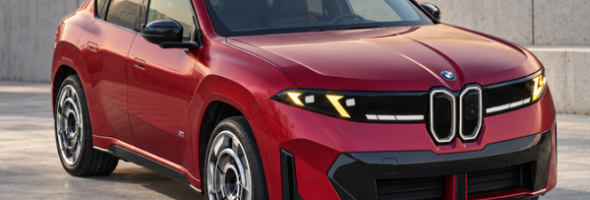
General Motors is intensifying its commitment to electrification by accelerating the conversion of key manufacturing facilities to support its next generation of electric vehicles. The move signals a decisive step forward in the automaker’s broader strategy to transition away from traditional combustion-engine production and establish a competitive footing in the rapidly evolving EV market.
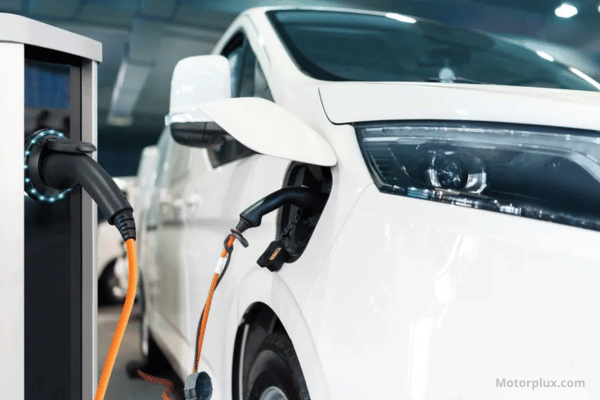
Retooling for an Electric Future
Factory conversions of this scale represent one of the most complex and capital-intensive undertakings in the automotive industry. Transforming assembly lines originally designed for internal combustion engines requires significant investment in new tooling, robotics, supply chain realignment, and workforce retraining. For General Motors, these upgrades are not simply operational adjustments — they reflect a fundamental shift in the company’s long-term industrial identity.
The push to modernize production facilities comes as competition in the electric vehicle segment continues to grow more intense, with both established rivals and newer entrants investing heavily in manufacturing capacity. By accelerating its own conversion timeline, GM aims to ensure that its plants are ready to meet anticipated consumer demand without delays that could cost the brand market share.
Strategic Manufacturing Priorities
The conversion effort is expected to touch multiple facilities across GM’s North American production network. While specific plant-by-plant details continue to evolve, the overarching goal is clear: create a flexible, scalable manufacturing infrastructure capable of producing a diverse lineup of electric trucks, SUVs, and passenger cars.
Central to this initiative is GM’s Ultium platform — the modular battery and drive system architecture that underpins the company’s EV lineup. By standardizing production around a common platform, GM can streamline factory operations, reduce per-unit costs over time, and simplify the transition for its workforce and supplier base.
Workforce Development Plays a Key Role
Beyond the physical retooling of assembly lines, General Motors has placed considerable emphasis on preparing its workforce for the demands of EV manufacturing. Electric vehicles involve different assembly processes compared to their combustion-engine counterparts, with battery pack integration, high-voltage systems, and advanced software components requiring specialized training. Investment in workforce development is seen as essential to ensuring production quality and efficiency as the new facilities come online.
Industry Context and Competitive Pressure
GM’s accelerated approach reflects the broader urgency felt across the automotive sector. Regulatory pressure in key markets, shifting consumer preferences, and the ongoing expansion of charging infrastructure are all contributing to a faster-than-expected transition toward electrification. Automakers that delay factory modernization risk falling behind in an industry where production agility is becoming a key differentiator.
At the same time, the transition is not without its challenges. Supply chain constraints, particularly around battery materials and semiconductors, continue to create uncertainty. Managing the pace of conversion while maintaining steady output of existing high-demand models remains a delicate balancing act for GM’s operations leadership.
Looking Ahead
General Motors’ decision to push forward with its manufacturing transformation at an accelerated pace reflects confidence in the long-term trajectory of the electric vehicle market. While near-term hurdles remain, the strategic logic is straightforward: the companies that build the production infrastructure today will be best positioned to capture the growth opportunities of tomorrow.
As the automotive industry continues its historic shift toward electrification, factory conversion initiatives like the one GM is pursuing will serve as a defining measure of each automaker’s readiness for the road ahead. For General Motors, the message is clear — the future of its manufacturing network is electric, and the clock is already running.