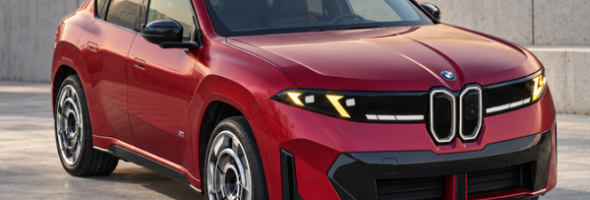
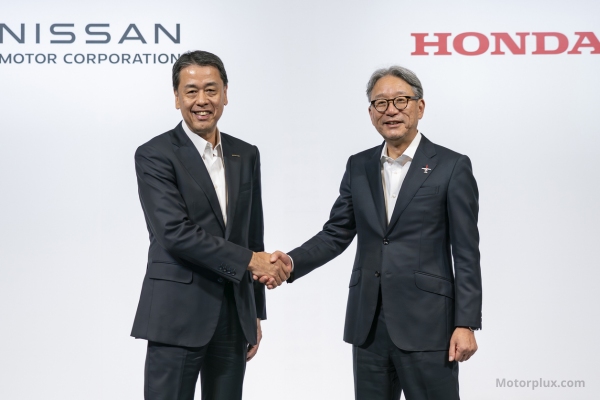
In a move that signals a fundamental shift in the global automotive order, Nissan Motor Co. and Honda Motor Co. have finalized the framework for a historic merger — one that would bring together two of Japan’s most storied automotive brands under a unified corporate structure. The agreement marks one of the most significant consolidation events the industry has seen in decades.
A Strategic Response to a Changing Market
The decision to merge does not emerge in a vacuum. Both automakers have faced mounting pressure from multiple directions: the accelerating transition toward electric vehicles, the rise of technology-driven competitors from China and the United States, and the increasing cost burden of developing next-generation platforms, software systems, and battery technology.
For Nissan, the merger represents an opportunity to stabilize a company that has navigated years of internal turbulence and fluctuating market performance. For Honda, the consolidation offers scale — the kind of industrial weight necessary to compete meaningfully in an era where development costs for electric and software-defined vehicles are unprecedented.
Together, the two manufacturers would form one of the largest automotive groups in the world by production volume, creating a combined entity with significant leverage over supply chains, research investment, and global market positioning.
What the Framework Actually Means
Finalizing a merger framework is a critical milestone, though it does not yet represent the completion of the full integration process. At this stage, both companies have agreed on the structural principles governing how the merger will proceed — including governance arrangements, brand preservation strategies, and the allocation of responsibilities across key business units.
A central question for industry observers has been whether both brands would retain their individual identities in the marketplace. Based on the framework’s direction, it appears that Honda and Nissan are committed to maintaining distinct brand presences, at least in the short to medium term, while pursuing synergies in engineering, manufacturing, and technology development behind the scenes.
Mitsubishi Motors, in which Nissan holds a significant stake, is also expected to be part of the broader consolidation picture — further amplifying the scale and reach of the combined group.
Implications for the Broader Industry
The Honda-Nissan merger framework sends a clear signal to the rest of the global automotive industry: scale and technological capability are no longer optional — they are existential requirements.
Traditional automakers across Europe, the Americas, and Asia are watching closely. The consolidation could accelerate similar conversations among other manufacturers who have so far resisted merger discussions, particularly as the cost of electrification continues to strain balance sheets industry-wide.
From a competitive standpoint, the combined entity would be better positioned to challenge the dominance of Toyota domestically and to counter the aggressive pricing and product strategies being deployed by emerging Chinese electric vehicle manufacturers in global markets.
Challenges Ahead
Despite the strategic logic, mergers of this complexity rarely proceed without friction. Integrating two organizations with distinct corporate cultures, deeply entrenched engineering philosophies, and different global footprints is a task that extends well beyond signing a framework agreement.
Labor relations, supplier negotiations, manufacturing rationalization, and technology platform alignment will all require careful management. Regulatory approvals across multiple jurisdictions will also need to be secured before any final integration can take place.
Analysts will be watching closely to see whether the companies can execute the transition without disrupting ongoing product development cycles or weakening their respective market positions during the integration period.
A New Chapter for Japanese Automotive Manufacturing
The finalization of this merger framework is more than a corporate transaction — it represents a redefinition of Japanese automotive identity at a moment of profound global change. Honda and Nissan, each with their own legacy of engineering excellence and global reach, are choosing collaboration over competition in the face of an industry that is transforming faster than any single company can comfortably navigate alone.
Whether this consolidation ultimately delivers on its strategic promise will depend on execution. But as a statement of intent, it is among the boldest moves Japanese industry has made in a generation.