The US electric vehicle market broke back above 100,000 monthly registrations in June for the first time since the federal $7,500 tax credit disappeared last September, but the milestone came wrapped in a warning sign: Tesla is now responsible for more of that volume than ever, while almost every other brand in the segment is shrinking.
According to registration data reported by Automotive News and compiled by Mobility Global, US EV registrations totaled 100,515 units in June, a still-weak 11 percent decline from the same month a year earlier and the ninth consecutive month of year-over-year losses. Analysts describe the rebound above six figures as a partial recovery rather than a genuine turnaround, since the underlying trend line has pointed downward for nearly a year.
Tesla pulls further ahead
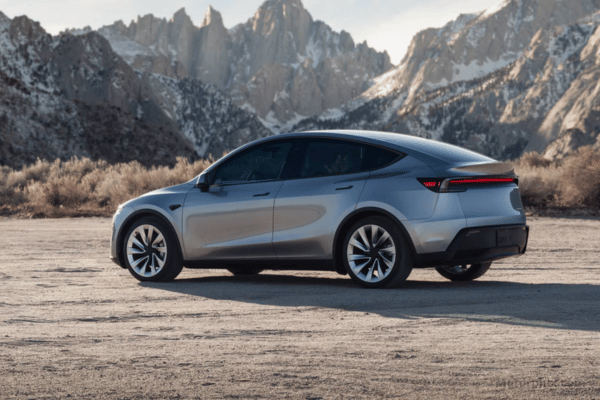
Tesla registered 61,813 vehicles in June, an 8 percent increase from a year earlier, and captured 61.5 percent of all EV registrations nationwide — an 11-point jump in segment share compared with the prior year. The Model Y alone accounted for 42 percent of every electric vehicle registered in the country that month, a remarkable concentration for a single model in an industry that has spent the past several years expanding its EV lineups.
What makes Tesla’s gain notable is that it isn’t coming from a growing pie. Registrations among the roughly three dozen non-Tesla EV brands fell a combined 31 percent in June, dropping to 38,702 vehicles. In other words, Tesla is gaining share largely because its competitors are pulling back, not because it is winning over a larger universe of EV shoppers.
Hyundai and Cadillac rounded out the top of the rankings well behind Tesla. Hyundai registered 4,011 EVs, down 23 percent year over year for a 4 percent segment share, while Cadillac posted 3,931 registrations, down 4.6 percent for a 3.9 percent share. No other brand came close to challenging Tesla’s position.
Incentives are doing the heavy lifting
With demand still soft, automakers are leaning hard on discounts to move inventory. The average EV incentive in June sat at roughly $7,290 per vehicle, or about 13 percent of the average transaction price — a discount level that underscores how much help the market still needs to generate volume. Hybrids have also been drawing buyers who might otherwise have considered a full EV, adding another layer of pressure on a segment still searching for solid footing after the loss of federal purchase incentives.
Why the credit’s expiration still matters
The $7,500 federal EV tax credit expired at the end of September 2025, and its absence has reshaped the US market ever since. Registrations cratered in the months that followed, and June’s total — while the strongest since the credit ended — is still well below the levels the segment posted when the incentive was active. Several legacy automakers have responded by trimming EV investment and production plans this year, redirecting resources toward hybrid and gasoline models that carry steadier demand and thinner exposure to swings in federal policy.
A consolidating, not expanding, market
The combination of falling total registrations and rising Tesla share points to a market that is consolidating around a single dominant player rather than broadening. For most of the past two years, the EV conversation in the US centered on rising competition — new entrants, expanding lineups from Detroit and Seoul, and shrinking gaps between Tesla and its rivals. June’s numbers suggest the opposite dynamic is now underway: as legacy brands scale back, Tesla’s refreshed Model Y and Model 3 lineup and aggressive pricing are pulling a larger share of a smaller overall market toward the company.
Whether that pattern holds through the second half of 2026 will depend heavily on how automakers position their next wave of hybrid and electric launches, and on whether incentive spending can keep pulling buyers back into showrooms without the backstop of a federal credit. For now, the data points to a US EV market that is smaller than it was a year ago — and more concentrated in Tesla’s hands than at almost any point since the company’s early growth years.