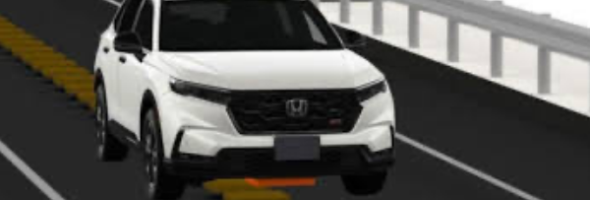
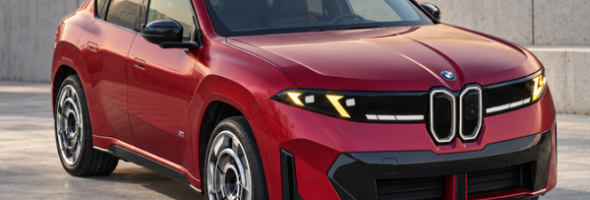
Modern vehicles are no longer simply mechanical machines. They are rolling computers — networked, software-driven platforms that communicate with infrastructure, manufacturers, and each other in real time. This transformation, while delivering remarkable convenience and efficiency, has opened a new and increasingly urgent challenge: automotive cybersecurity.
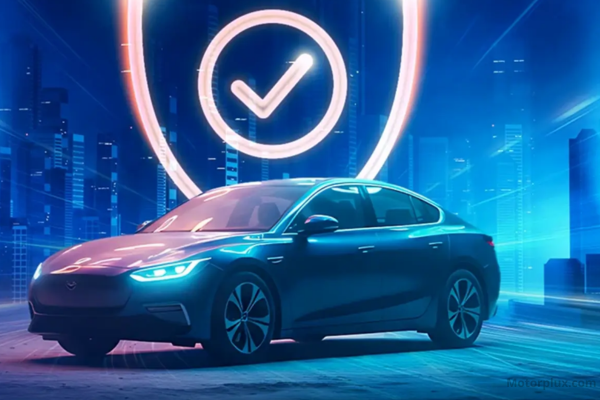
A New Kind of Vulnerability on the Road
The rise of connected and software-defined vehicles has fundamentally changed the threat landscape. Where automotive safety once focused exclusively on crash structures and braking systems, engineers and security experts now must account for digital attack surfaces — entry points that malicious actors could potentially exploit to interfere with vehicle systems, access personal data, or compromise fleet operations.
Every wireless interface a vehicle carries — from Bluetooth and Wi-Fi to cellular connectivity and over-the-air update channels — represents a potential gateway. As vehicles gain more autonomous capabilities and deeper integration with cloud platforms, the complexity of defending these systems grows proportionally.
Why the Automotive Industry Cannot Afford to Wait
Cybersecurity threats in the automotive sector are not theoretical. The industry has already witnessed real-world demonstrations of remote vehicle access exploits, raising serious questions about what becomes possible as vehicles grow smarter and more networked. The stakes extend beyond individual privacy — they touch public safety directly.
Regulators around the world have begun to take notice. Frameworks such as the United Nations Economic Commission for Europe’s cybersecurity regulations have pushed automakers to formalize their approach to vehicle cybersecurity management. Compliance is no longer optional in key global markets; it is a market entry requirement.
For manufacturers, this shift demands a fundamental change in how vehicles are conceived and developed. Cybersecurity cannot be retrofitted after design — it must be embedded from the earliest stages of engineering, a principle increasingly referred to as security by design.
The Expanding Attack Surface
Several developments are widening the scope of potential vulnerabilities that the industry must address:
- Over-the-air (OTA) software updates: While these updates allow manufacturers to improve vehicles remotely, they also create channels that must be rigorously authenticated and encrypted.
- Vehicle-to-everything (V2X) communication: As vehicles begin communicating with traffic systems, other vehicles, and urban infrastructure, securing those data exchanges becomes critical.
- Third-party components and supply chains: Modern vehicles incorporate hardware and software from dozens of suppliers, each representing a potential weak link if cybersecurity standards are not consistently applied.
- Telematics and data platforms: The continuous flow of vehicle data to manufacturer clouds and third-party services must be protected against interception and unauthorized access.
The Human Element Behind the Technology
Technology alone cannot solve the cybersecurity challenge. Talent, culture, and process matter equally. Automakers and their suppliers are investing in dedicated cybersecurity teams, ethical hacking programs, and continuous monitoring systems designed to detect anomalies before they escalate into serious incidents.
Collaboration across the industry is also gaining traction. Information-sharing alliances allow manufacturers to exchange threat intelligence, strengthening collective defenses rather than leaving each company to address vulnerabilities in isolation.
What This Means for Drivers
For everyday drivers, automotive cybersecurity may feel abstract — until it isn’t. Awareness remains an underappreciated tool. Keeping vehicle software up to date, being cautious about third-party devices connected to onboard ports, and understanding the privacy implications of connected services are practical steps that complement the technical defenses automakers build into their platforms.
Looking Ahead
The automotive industry stands at a defining moment. The vehicles of the next decade will be more capable, more efficient, and more connected than anything that has come before. But with that capability comes responsibility — to ensure that the digital foundations of those vehicles are as strong as their physical ones.
Cybersecurity is not a feature. It is infrastructure. And for an industry navigating the most significant technological transformation in its history, getting it right is not optional — it is essential.