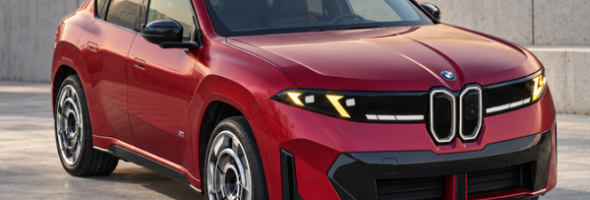
The interior of a modern vehicle is no longer just a space for controls and comfort. It is increasingly becoming a sophisticated sensing environment — one capable of reading the physical and cognitive state of the person behind the wheel. Biometric driver monitoring systems, once considered a premium novelty, are rapidly moving toward becoming a standard safety feature across the automotive industry.
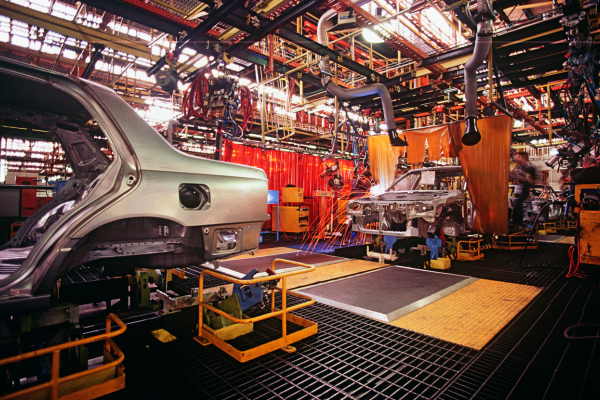
Automakers across Europe, North America, and Asia are directing significant resources toward developing and refining these technologies, driven by a convergence of regulatory pressure, advancing sensor capabilities, and a broader industry commitment to reducing road fatalities.
What Biometric Monitoring Actually Measures
At its core, driver monitoring technology uses a combination of cameras, infrared sensors, and increasingly sophisticated algorithms to assess the physical and mental condition of the driver in real time. The most mature applications focus on:
- Drowsiness and fatigue detection: Tracking eyelid movement, blink frequency, and head position to identify signs of impaired alertness.
- Attention and gaze tracking: Monitoring where the driver is looking to determine whether their focus is on the road.
- Heart rate and stress indicators: Emerging systems are beginning to integrate contactless biometric sensors that can detect elevated stress levels or irregular heart rhythms.
- Emotional state recognition: Some advanced prototypes aim to identify emotional conditions — such as frustration or distraction — that may influence driving behavior.
When the system detects an anomaly, it can trigger a range of responses: auditory or visual alerts, steering wheel vibrations, adaptive cruise control adjustments, or in more advanced implementations, a gradual handover of vehicle control.
Regulation Is a Powerful Accelerant
One of the clearest drivers of investment in this space is regulatory pressure. In markets such as the European Union, updated vehicle safety standards have made driver monitoring systems a mandatory requirement for new models. This legislative momentum is not isolated — similar discussions are taking place in other major markets, pushing manufacturers to treat these systems not as optional extras but as fundamental architecture.
For automakers, adapting to these requirements is not simply a compliance exercise. It is also a commercial opportunity. Brands that develop proprietary, high-performing monitoring systems gain a meaningful differentiator in an increasingly competitive market where safety ratings directly influence consumer purchasing decisions.
The Role of Artificial Intelligence
The acceleration of investment is also inseparable from the maturation of artificial intelligence and machine learning capabilities. Earlier driver monitoring systems relied on relatively simple rule-based detection. Modern iterations are trained on vast datasets of real driving behavior, allowing them to distinguish between a driver who briefly looks away and one who is genuinely impaired.
This intelligence layer is what transforms driver monitoring from a basic alert system into a genuinely predictive safety tool. The system learns, adapts, and improves — and as vehicles generate more data over time, accuracy continues to increase.
Integration With the Broader Vehicle Ecosystem
Biometric driver monitoring does not operate in isolation. Its real value emerges when integrated with the wider architecture of a modern vehicle — including advanced driver assistance systems, semi-autonomous driving features, and connected infrastructure. A vehicle that understands both the road environment and the state of its driver is fundamentally safer than one that only monitors either independently.
This integration also opens pathways toward more personalized driving experiences. Seat adjustments, climate preferences, alert sensitivity thresholds, and driving mode profiles could all be dynamically calibrated based on real-time biometric input.
Looking Ahead
The momentum behind biometric driver monitoring reflects a broader truth: the automotive industry is fundamentally redefining what it means for a vehicle to be safe. Safety is no longer measured solely by structural performance in a collision. Increasingly, it is measured by the system’s ability to prevent that collision from occurring in the first place.
As hardware costs decline, algorithms grow more sophisticated, and regulatory frameworks solidify, biometric monitoring is on a clear trajectory from cutting-edge feature to automotive standard. For drivers, that shift represents a meaningful step toward a future where the vehicle actively works to keep its occupants safe — before a crisis ever begins.