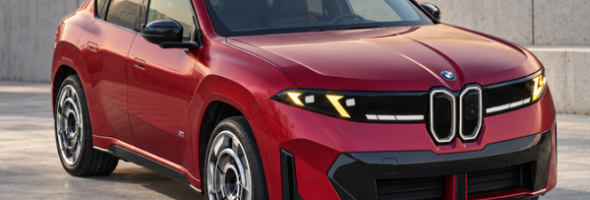
For decades, the automotive cabin has evolved from a purely mechanical space into a sophisticated digital environment. Touchscreens replaced physical buttons, voice assistants replaced manual controls, and now a new shift is underway. Automakers across the industry are actively integrating large language models (LLMs) into their in-cabin systems, fundamentally changing how drivers and passengers interact with their vehicles.
This transition is not simply about convenience. It represents a broader strategic move by manufacturers to differentiate their vehicles through software intelligence — a domain that is rapidly becoming as important as horsepower or fuel efficiency.
From Simple Commands to Natural Conversations
Traditional voice recognition systems in vehicles operated on rigid, pre-programmed command structures. A driver had to say the exact phrase the system was trained to recognize. Anything outside that narrow vocabulary was met with a frustrating error message.
Large language models change this dynamic entirely. Because LLMs are trained on vast amounts of natural language data, they are capable of understanding context, interpreting ambiguous requests, and maintaining conversational continuity. A driver can ask a vague question, receive a meaningful answer, and follow up with a related query — all without repeating contextual information.
This makes the interaction feel genuinely intuitive rather than transactional. The system no longer demands precision from the user; instead, it adapts to how people naturally speak.
Key Reasons Automakers Are Moving in This Direction
- User experience differentiation: As vehicles become increasingly similar in mechanical performance, software sophistication is emerging as a primary competitive advantage. An intelligent cabin can justify premium pricing and strengthen brand loyalty.
- Reduced driver distraction: When a system genuinely understands natural language, drivers spend less time rephrasing commands or navigating menus, keeping their attention on the road.
- Personalization at scale: LLMs can learn user preferences over time and adjust responses, recommendations, and system behavior accordingly — creating a cabin experience that feels tailored rather than generic.
- Integration with broader ecosystems: Modern LLMs can connect with navigation, vehicle diagnostics, entertainment, and external services through a unified conversational layer, eliminating the need to switch between separate interfaces.
Challenges That Remain on the Road Ahead
Despite the clear momentum, integrating large language models into production vehicles is not without significant challenges. Latency is a primary concern — LLMs typically require substantial computational resources, and processing queries through cloud servers introduces delays that are unacceptable in safety-critical moments.
Automakers are addressing this through a combination of on-device processing for time-sensitive tasks and cloud connectivity for more complex queries. Striking the right balance between speed, capability, and connectivity reliability remains an active area of engineering focus.
Data privacy is another dimension that demands careful attention. Conversations recorded inside a vehicle can contain sensitive personal information. Manufacturers must establish transparent data governance frameworks that earn and maintain consumer trust.
Additionally, ensuring that LLM-powered systems behave safely and predictably — avoiding hallucinations or inappropriate responses in a driving context — requires extensive testing and the development of automotive-specific guardrails.
A Defining Moment for the Software-Defined Vehicle
The integration of large language models into cabin systems is more than a feature update — it is a signal of where the automotive industry is heading. As vehicles increasingly become software-defined platforms, the cabin is becoming an intelligent environment that anticipates, assists, and adapts.
For automakers, the opportunity is significant: those who successfully deploy natural, reliable, and genuinely useful AI-driven cabin experiences stand to build stronger emotional connections with their customers. For drivers and passengers, the promise is equally compelling — a vehicle that finally speaks the same language they do.