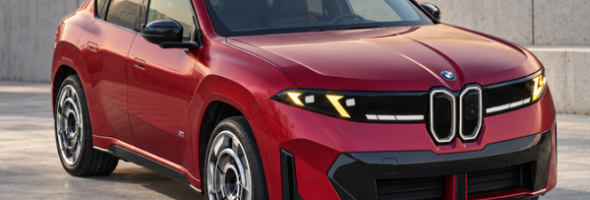
For decades, the auto industry offered drivers essentially two paths to get behind the wheel: buy the car outright, or lease it for two to four years. In 2026, a third option is quietly reshaping that binary choice. Car subscription services — monthly plans that bundle the vehicle itself with insurance, maintenance and roadside assistance into a single recurring payment — are moving from a niche experiment offered by a handful of automakers into a mainstream alternative that a growing share of consumers are willing to consider.
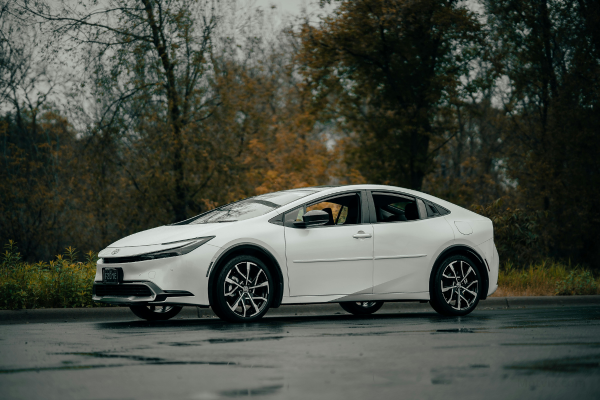
According to a market analysis by IMARC Group cited by The Hartford, subscriptions let drivers access a new vehicle without the paperwork, credit checks, down payments or long-term commitment that come with a traditional purchase or lease. The monthly fee is almost always higher than what a driver would pay on a comparable lease, but that premium buys something leases can’t: real flexibility. Subscription terms can run as short as a single month, and in many programs drivers can swap vehicles entirely — trading a compact sedan for a three-row SUV before a family road trip, for instance — without penalties, new financing paperwork or a hit to their credit.
Why the model is catching on now
Several forces are converging to make 2026 the year subscriptions stop being a curiosity. First, vehicle prices — for both new and late-model used cars — remain elevated relative to incomes in most major markets, pushing buyers to look for lower-commitment ways to access newer technology. Second, the rapid pace of change in EV range, battery chemistry and driver-assistance features means a car bought today can feel dated within two or three years; subscriptions let drivers “upgrade” without navigating a trade-in. Third, a broader generational shift toward access-over-ownership — the same instinct that fueled the growth of streaming services and shared micromobility — is now extending to cars themselves.
This isn’t happening in isolation. It’s arriving alongside a wave of other shifts reshaping the new-car buying experience in 2026. Long-range EVs, once a luxury-only proposition, are now common across multiple segments: several electric sedans on the market today are rated for 390 to over 500 miles on a single charge, according to industry roundups of 2026 model-year vehicles, narrowing the range-anxiety gap that kept many buyers on the sidelines. At the same time, advanced driver-assistance systems (ADAS) have gone from an optional add-on to a near-standard feature across most new vehicles, including automatic emergency braking, lane-departure alerts, adaptive cruise control and, increasingly, vehicle-to-everything (V2X) connectivity that allows cars to “talk” to traffic infrastructure and other vehicles in real time.
What it means for automakers and dealers
For manufacturers, the rise of subscriptions is forcing a rethink of how vehicles are financed, insured and even manufactured. Automakers that already run captive finance arms are best positioned to absorb subscription programs internally, since they can manage residual values and fleet turnover more directly. Others are partnering with third-party mobility platforms to test the model without taking on the operational risk themselves. Dealers, meanwhile, face a more complicated calculus: subscriptions can reduce classic showroom traffic and traditional financing revenue, but they also open a door to reach younger, urban consumers who might otherwise skip car ownership altogether — including through car-sharing and rideshare-adjacent audiences.
The road ahead
None of this means subscriptions are about to replace buying or leasing outright — for most drivers, especially those planning to keep a vehicle for five-plus years, ownership still works out cheaper over time. But as a growing slice of the market prioritizes flexibility, lower up-front costs and the ability to try an EV or a new class of vehicle without a long-term commitment, subscriptions are carving out a permanent lane in the industry’s business model. Combined with the parallel rise of ADAS as a standard feature and the steady march toward longer-range EVs, 2026 is shaping up as the year the traditional “buy vs. lease” conversation gets a serious third contender.