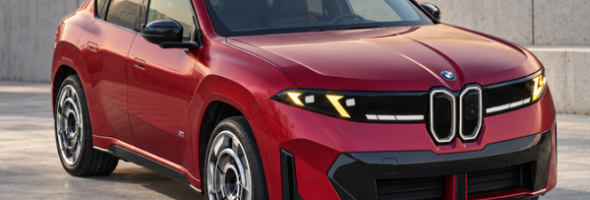
The electric vehicle revolution is not simply changing what powers our cars — it is fundamentally transforming how they look, feel, and communicate. Nowhere is this shift more visible than in the rapidly evolving segment of electric SUVs. As automakers move away from the constraints of combustion-era engineering, designers are gaining unprecedented freedom to rethink the vehicle from the ground up. The result is a new visual language that is both bold and purposeful.
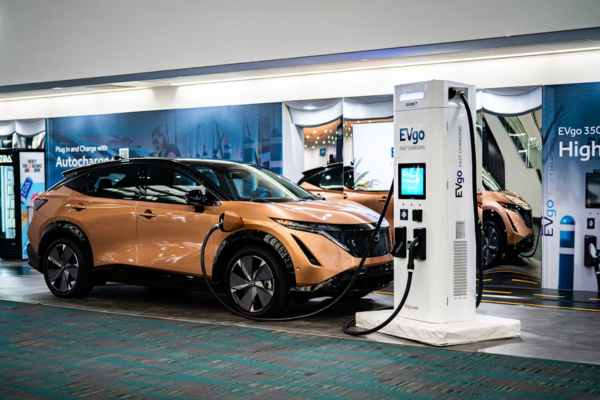
Aerodynamics as Aesthetic
One of the most defining characteristics of next-generation electric SUVs is the seamless integration of aerodynamic principles into the overall design. Traditional SUVs were often built around boxy, high-riding profiles that prioritized interior volume over airflow efficiency. In the electric era, however, range is directly linked to drag reduction — and that engineering reality is reshaping exterior silhouettes in compelling ways.
Designers are increasingly adopting sloped rooflines, flush door handles, sculpted underbodies, and active grille shutters that respond to driving conditions in real time. The result is a form that feels organic rather than assembled, as though the vehicle has been shaped by wind itself. Far from feeling compromised, these aerodynamic choices lend electric SUVs a distinctive sense of forward motion, even when standing still.
The Disappearance of the Traditional Grille
Perhaps the most symbolic design shift of the electric age is the transformation — or outright elimination — of the front grille. Since combustion engines require substantial airflow for cooling, the grille has historically served as both a functional and brand-defining element. With electric powertrains generating far less heat, that requirement diminishes significantly.
In response, designers are experimenting with sealed front fascias, illuminated panels, and graphic elements that serve as contemporary brand signatures. This blank canvas has opened the door to striking light bar designs that span the full width of the vehicle, creating an instantly recognizable visual identity. The headlight and front-end treatment of an electric SUV is fast becoming one of its most expressive design statements.
Minimalism Inside the Cabin
The interior design revolution happening within electric SUVs is equally significant. Without a transmission tunnel or engine intruding into the cabin, designers have more freedom to rethink spatial architecture. Flat floors, floating center consoles, and lounge-like seating arrangements are becoming hallmarks of premium electric interiors.
At the same time, a strong preference for minimalism is guiding dashboard design. Physical buttons and switches are giving way to large, integrated touchscreens and voice-activated controls, while ambient lighting systems allow occupants to customize the cabin atmosphere. Materials are also evolving, with sustainable fabrics, recycled composites, and natural textures replacing traditional leather and plastic as markers of sophistication.
Digital Surfaces and Exterior Lighting Innovation
Beyond the grille, lighting technology is emerging as one of the primary tools through which brands differentiate their electric SUV lineups. Sophisticated LED and matrix light signatures are designed to be immediately identifiable, functioning almost like a visual fingerprint. Some manufacturers are going further, introducing animated lighting sequences for locking, unlocking, or communicating with pedestrians — a feature that underscores the growing role of connectivity in vehicle design.
Digital exterior displays and interactive surface panels, while still largely at the concept stage, point toward a future where the vehicle’s exterior becomes a dynamic communication platform rather than a static shell.
Proportion and Stance: Grounded Yet Dynamic
Next-generation electric SUVs are also redefining proportion. The combination of large battery packs positioned low in the chassis and the elimination of bulky mechanical components has allowed designers to lower the vehicle’s center of gravity while maintaining a confident, upright stance. Wide track widths, muscular wheel arches, and large-diameter wheels contribute to a planted, athletic appearance that feels distinctly modern.
A Turning Point for the Industry
The design evolution of the electric SUV represents one of the most exciting periods in automotive styling history. With fewer mechanical constraints and a growing emphasis on sustainability, technology, and brand expression, designers are crafting vehicles that are as visually compelling as they are environmentally conscious. As competition in the segment intensifies, design will increasingly become the decisive factor that sets one electric SUV apart from another — making aesthetics not just an artistic pursuit, but a core strategic priority for automakers worldwide.