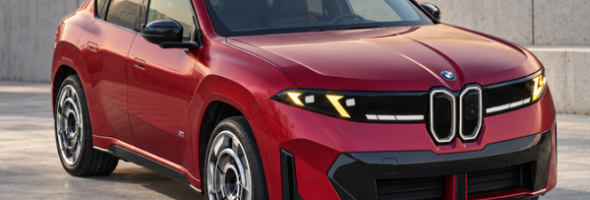
The automotive industry has long been driven by the desires of younger buyers — performance figures, bold styling, and cutting-edge infotainment systems have historically dominated design conversations. But a quieter, more structural force is now reshaping how vehicles are conceived, engineered, and brought to market: the steady aging of the global population.
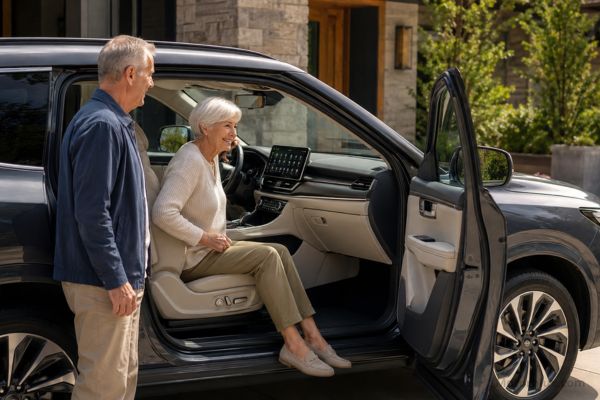
In many of the world’s largest automotive markets — including the United States, Germany, Japan, and South Korea — the proportion of adults over the age of 60 is growing faster than any other demographic segment. For automakers, this is not merely a sociological observation. It is a commercial and engineering imperative.
Where Design Priorities Are Shifting
The most visible changes are happening at the intersection of ergonomics and accessibility. Designers and engineers are increasingly focused on features that may seem subtle but carry significant weight for older drivers and passengers.
Entry and Exit Ease
One of the most common physical challenges for older adults is simply getting in and out of a vehicle. This has prompted renewed interest in wider door openings, higher seating positions, and deployable grab handles. Some manufacturers have begun exploring powered door systems that open and close automatically, reducing strain on joints and improving overall comfort.
Controls and Interface Simplicity
While touchscreen technology has become dominant in modern cabins, there is growing recognition that touch-only interfaces can be frustrating — and even dangerous — for drivers with reduced dexterity or diminished eyesight. As a result, several automakers are quietly reintroducing physical knobs and buttons for critical functions, alongside larger fonts, higher-contrast displays, and voice-command systems designed to be genuinely intuitive rather than technically impressive.
Advanced Driver Assistance Systems
Safety technology is arguably where aging demographics have had the most profound influence. Features such as automatic emergency braking, lane-keeping assistance, and blind-spot monitoring were developed in part with older drivers in mind — acknowledging that reaction times and peripheral vision may decline with age. These systems, once considered premium extras, are now becoming standard across many segments precisely because their value to a maturing consumer base is undeniable.
Beyond Functionality: Rethinking the Ownership Experience
The design conversation extends well beyond the vehicle itself. Older consumers often place greater emphasis on reliability, long-term value, and dealer service quality than on novelty or performance. This is influencing how automakers structure their warranty offerings, after-sales support, and even the physical design of dealership spaces.
There is also a growing focus on cognitive accessibility — ensuring that onboarding new technology does not alienate experienced drivers who may feel overwhelmed by increasingly complex systems. Simplified setup processes, clearer owner’s manuals, and in-dealer orientation programs are becoming more common as brands recognize that customer retention among older buyers depends heavily on confidence and ease of use.
The Broader Industry Implication
What makes this shift particularly significant is that designing for older users rarely makes a product worse for younger ones. Wider doors benefit parents loading children into car seats. Clear interfaces help distracted drivers of all ages. Comfortable seating and reduced cabin noise improve long-distance travel for everyone. In this sense, the aging population is not narrowing automotive design — it is broadening it.
Automakers that recognize this dynamic early are positioning themselves not just to serve an underserved segment, but to build vehicles that are genuinely more usable, more inclusive, and more resilient to demographic change over time.
Looking Ahead
As electrification and autonomous driving continue to advance, the opportunities for age-inclusive design will only expand. Lower cabin floors in electric vehicles, reduced vibration, and the eventual arrival of self-driving technology all hold enormous promise for older adults who may otherwise face reduced mobility.
The automotive industry has always adapted to who is buying its products. The difference now is that the demographic doing the reshaping is doing so quietly — one ergonomic detail at a time.