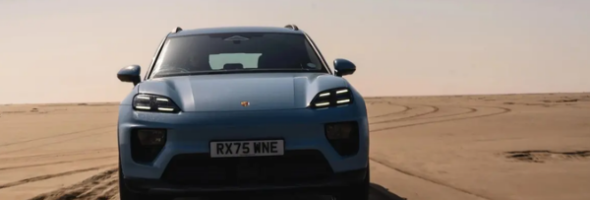
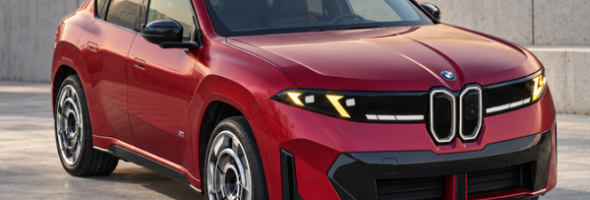
Not long ago, buying a car meant spending hours at a dealership, flipping through brochures and negotiating face-to-face with a sales representative. That experience still exists, but it is no longer the only path to vehicle ownership. Digital retail has fundamentally altered the relationship between car buyers and the automotive industry, placing more information, comparison tools, and purchasing options directly in consumers’ hands.
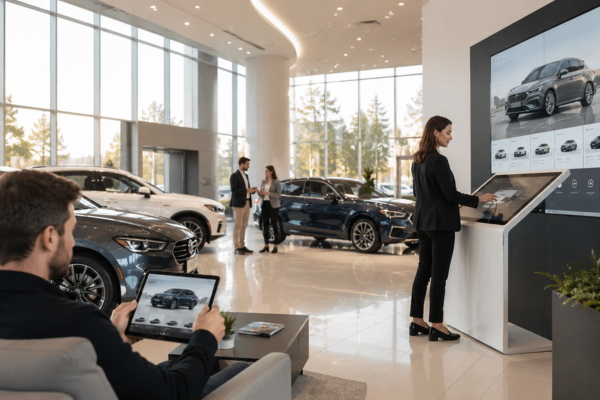
The shift is not simply about convenience. It reflects a broader change in how people make high-stakes financial decisions. Shoppers now arrive at dealerships — or choose to skip them entirely — with a level of product knowledge that was previously reserved for industry insiders.
Research Before the First Test Drive
The research phase of the car buying journey has moved almost entirely online. Automotive websites, manufacturer configurators, independent review platforms, and video content allow buyers to explore trim levels, compare specifications, calculate financing estimates, and read real-world ownership experiences before setting foot inside a showroom.
This depth of pre-purchase research has compressed the traditional sales funnel. Buyers increasingly know which model they want, which features matter to them, and what a fair price looks like before any conversation with a dealer begins. For automakers and retailers, this means the digital touchpoint has become as critical as the physical one — arguably more so at the earliest stages of decision-making.
From Configuration to Checkout
Several automakers and independent platforms have extended the digital experience well beyond research, enabling buyers to configure a vehicle, receive a firm price quote, arrange trade-in valuations, and complete financing applications entirely online. In some markets, full end-to-end purchases — where the vehicle is delivered directly to the buyer’s home — have become a genuine commercial reality rather than an experiment.
This model places a premium on transparency. Consumers drawn to digital retail are often motivated by the desire to avoid ambiguity in pricing and to control the pace of their own buying journey. Platforms that offer clear, fixed pricing and straightforward financing terms have found receptive audiences among buyers who prefer a low-pressure environment.
The Evolving Role of the Dealership
The rise of digital retail does not necessarily signal the end of physical dealerships, but it does demand that their role evolve. Rather than functioning as the primary source of product information, dealerships are increasingly becoming spaces for tactile experiences — the test drive, the material and color evaluation, the in-person delivery handover.
Dealers that have adapted successfully tend to treat their digital presence as an extension of their physical operation rather than a competitor to it. Online chat tools, virtual vehicle walkthroughs, and seamless transitions between digital inquiry and in-person consultation have become markers of a modern retail approach.
Trust and Security in Online Automotive Transactions
One of the remaining barriers to fully digital car purchases is consumer confidence in transacting large sums of money online. Unlike booking a hotel or purchasing electronics, buying a vehicle involves significant financial commitment and long-term ownership implications. Automotive retailers and manufacturers investing in digital channels must therefore prioritize clear return policies, robust data security, and accessible customer support to build the trust necessary for online conversion.
What This Means for Buyers and the Industry
For consumers, the digitalization of automotive retail represents genuine progress. Greater access to information leads to more informed decisions, and the ability to manage parts of the process remotely adds meaningful flexibility. For the industry, the challenge is ensuring that digital tools enhance rather than complicate the buying experience.
As technology continues to develop — including the integration of artificial intelligence in personalized vehicle recommendations and augmented reality in virtual showroom experiences — the pace of change in automotive retail is unlikely to slow. The dealerships, platforms, and brands that treat digital retail as a strategic priority rather than an afterthought are best positioned to meet buyers where they already are.