For decades, the morning and evening rush hour defined the rhythm of urban life. Highways clogged predictably, commuters planned their schedules around traffic peaks, and city infrastructure was built with those patterns in mind. Then the widespread adoption of remote and hybrid work models introduced a disruption that no traffic engineer had fully anticipated: the daily commute, as a fixed social ritual, began to dissolve.
What started as a temporary response to a global health crisis has evolved into a structural shift in how millions of people interact with their vehicles and their cities. The consequences for urban driving patterns are not temporary — they appear to be permanent.
The Decline of the Traditional Commute
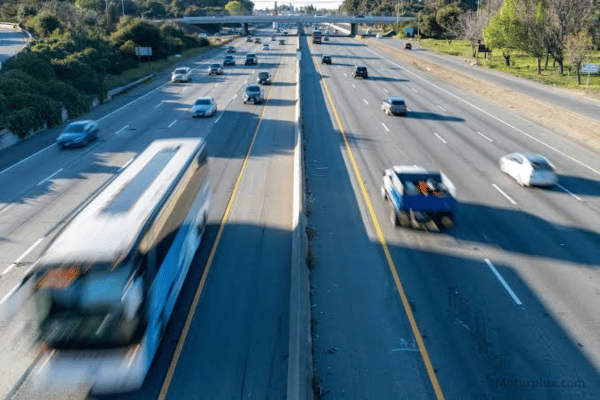
When large segments of the workforce stopped commuting five days a week, traffic volumes in major metropolitan areas changed in measurable and lasting ways. Peak congestion windows, once sharply defined between early morning and late afternoon, have become more diffuse. Drivers now enter the road at irregular hours, spreading traffic loads more evenly throughout the day rather than concentrating them in predictable surges.
This fragmentation of the commute has several practical consequences. Urban planners and transport authorities are grappling with infrastructure models that were designed around assumptions that no longer hold. Roads built to manage rush-hour volumes now experience different stress patterns, while public transit systems face continued ridership uncertainty as workers divide their time between home and office on flexible schedules.
Changing Trip Purposes and Vehicle Use
Remote work has not eliminated driving — it has redefined its purpose. With fewer obligatory commuting trips, many drivers now use their vehicles more selectively. Errands, leisure outings, and occasional office visits have replaced the predictable daily round trip. This shift in trip purpose carries important implications for how automakers and urban mobility planners think about vehicle design and infrastructure investment.
Shorter, more varied trips place different demands on vehicles than long highway commutes. Stop-and-go urban driving increases wear on certain components while simultaneously making the efficiency case for electric and hybrid powertrains more compelling. For city drivers who now make multiple shorter journeys rather than one extended commute, the appeal of electrification grows stronger.
Suburban and Exurban Expansion
One of the most geographically significant consequences of remote work has been the movement of residents away from dense urban cores toward suburban and exurban areas. Freed from the obligation to live within commuting distance of a downtown office, many workers have relocated to areas with lower housing costs, more space, and a different quality of life.
This migration pattern has introduced new traffic pressures into communities that previously experienced relatively light vehicle volumes. Roads in smaller cities and suburban corridors now carry heavier loads, and the demand for expanded road capacity and parking infrastructure has grown in areas that were not originally designed for it.
Implications for Automotive Culture and Industry
The automotive industry is paying close attention to these evolving patterns. Manufacturers developing new models are increasingly aware that the average driver’s relationship with their vehicle has changed. Comfort features, connectivity, and in-car technology have gained importance as drivers use their time behind the wheel differently — sometimes running quick errands, other times embarking on weekend leisure trips that the flexibility of remote work makes more accessible.
Dealerships and service providers are also adapting. With driving habits becoming more individualized and less predictable, the traditional assumptions about annual mileage, maintenance cycles, and vehicle turnover rates require reassessment.
A Permanent Recalibration
Urban driving patterns are not simply recovering to their pre-pandemic state — they are stabilizing around a new normal that reflects a genuine and lasting change in how people work. Cities, automakers, and infrastructure planners that adapt to this reality early will be better positioned to serve a population whose relationship with the road has fundamentally evolved.
The commute is not dead, but it is no longer the organizing principle of urban mobility that it once was. That distinction matters enormously for every stakeholder in the transportation ecosystem.