For decades, buying a first car meant visiting multiple dealerships, flipping through printed brochures, and relying on advice from family members or trusted mechanics. That process is changing rapidly. Today, a growing number of first-time car buyers are turning to social media platforms long before they ever set foot in a showroom — and the automotive industry is paying close attention.
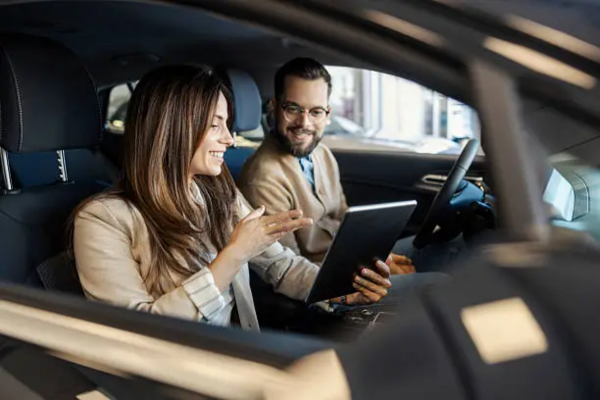
From short-form video reviews on TikTok to detailed walkthroughs on YouTube and community discussions on Reddit, social media has become a powerful and often primary research environment for younger consumers entering the automotive market for the first time.
Peer Influence Over Traditional Advertising
One of the most significant shifts social media has introduced is the erosion of trust in traditional advertising. First-time buyers, many of whom belong to Millennial and Generation Z demographics, tend to place considerably more weight on the opinions of independent content creators, everyday drivers, and online communities than on polished manufacturer campaigns.
This dynamic has elevated the role of automotive influencers — individuals who build audiences by sharing honest, experience-based vehicle content. Their reviews, ownership diaries, and comparison videos carry a sense of authenticity that conventional advertising struggles to replicate. When a creator documents their real-world experience with fuel costs, reliability, or interior comfort, it resonates with viewers who are navigating the same uncertainties.
Platforms Shaping the Purchase Journey
Not all social media platforms influence car buyers in the same way. Each serves a distinct function within the research process:
- YouTube remains the dominant platform for in-depth vehicle walkthroughs, long-term ownership reviews, and model comparisons. Its searchable format makes it particularly effective for research-focused consumers.
- TikTok has emerged as a discovery platform, where short, visually engaging clips introduce buyers to vehicles they may not have previously considered. Its algorithm often surfaces content organically, expanding a buyer’s frame of reference.
- Instagram plays a strong role in shaping aspirational preferences, particularly around design aesthetics and lifestyle associations tied to specific brands or models.
- Reddit and automotive forums provide a space for detailed, unfiltered owner experiences — a resource first-time buyers increasingly consult when evaluating reliability or seeking answers to specific technical questions.
The Challenge of Misinformation
The democratization of automotive content is not without its drawbacks. Because social media places no formal gatekeeping on who can publish vehicle reviews or advice, the quality and accuracy of content varies considerably. First-time buyers who lack prior automotive knowledge may struggle to distinguish well-informed commentary from misleading or oversimplified takes.
This creates a dual responsibility: for content creators to maintain a standard of accuracy, and for consumers to cross-reference information across multiple sources before committing to a purchase decision. Automotive journalists and established publications continue to serve an important function in this ecosystem by providing verified, context-rich reporting alongside creator-driven content.
How Manufacturers Are Responding
Automakers have not been passive in the face of this shift. Many brands have restructured significant portions of their marketing budgets toward social media, partnering with content creators, launching brand-owned channels, and even designing vehicle reveal events specifically for digital audiences. Some manufacturers have gone further by incorporating social media feedback loops into product development discussions.
The goal is clear: meet first-time buyers where they already are and build brand awareness early in the consideration phase, before a competitor earns that visibility.
A New Kind of Buyer Entering the Market
What social media ultimately represents for the automotive industry is a more informed — if not always more accurately informed — first-time buyer. These consumers arrive at dealerships having already formed opinions about specific models, features, price expectations, and even negotiating strategies, shaped in large part by content they have consumed online.
For the industry, adapting to this reality is no longer optional. Understanding how social media influences the decision-making journey of first-time buyers is now a fundamental component of any serious automotive marketing and retail strategy.