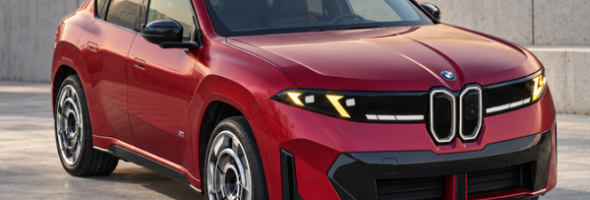
For much of the twentieth century, owning a car was considered a milestone of adulthood — a symbol of freedom, independence, and economic progress. Today, however, a growing segment of younger urban residents is arriving at a different conclusion: a personal vehicle may no longer be worth the cost, the stress, or the space it demands.
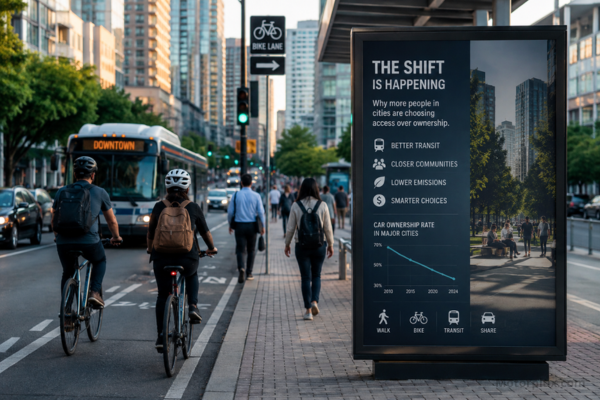
This shift is not accidental. It reflects a broader convergence of urban planning decisions, evolving lifestyle priorities, and an expanding ecosystem of mobility alternatives that is fundamentally changing how people move through cities.
The City Itself Is the Disruptor
As metropolitan areas grow denser, the practical advantages of car ownership begin to erode. In highly walkable neighborhoods, residents can access work, groceries, healthcare, and entertainment without ever sitting behind a wheel. Public transit networks in major cities continue to mature, while bike-sharing programs and electric scooter fleets have filled the gaps that traditional transit once left open.
The result is a mobility landscape where the car, once indispensable, becomes one option among many — and often not the most efficient one. In congested urban cores, driving can mean longer commute times, not shorter ones. Parking costs add a significant financial burden, and vehicle maintenance remains a consistent monthly expense regardless of how often the car is actually used.
For a generation already navigating rising housing costs and economic uncertainty, the calculus is straightforward: if a car sits idle most of the day while steadily draining a bank account, its value proposition becomes difficult to defend.
A Generation Raised on Alternatives
Younger urban dwellers have grown up with ride-hailing apps, real-time transit information, and on-demand delivery services baked into their daily routines. The friction that once made car-free living inconvenient has been steadily reduced by technology. Navigation is instant. Shared rides are predictable. Electric bikes and scooters handle distances that walking cannot.
This familiarity with alternatives has reshaped expectations. Rather than viewing car ownership as the default, many younger city residents treat it as a situational choice — something that makes sense for specific lifestyles or geographies, but not an automatic step in adult life.
There is also a growing cultural dimension to this trend. Environmental awareness plays a measurable role in how younger consumers evaluate their transportation choices. Reducing personal carbon footprints has become a genuine priority for a meaningful portion of this demographic, and forgoing a privately owned vehicle is one of the most direct ways individuals can act on that value.
What This Means for the Automotive Industry
The automotive sector is watching these trends with close attention. Declining interest in personal vehicle ownership among urban youth does not necessarily translate into declining interest in mobility — but it does require manufacturers and dealers to rethink how they position their products and services.
Subscription models, shared fleet programs, and partnerships with urban mobility platforms are among the strategies automakers are exploring to remain relevant in environments where traditional ownership is losing its appeal. The vehicle itself may become less central to the relationship between a brand and its customer.
At the same time, car ownership remains deeply relevant in suburban and rural contexts, where alternatives are limited and personal vehicles continue to deliver clear practical value. The divergence between urban and non-urban transportation behavior is likely to deepen as cities become more connected and better served by multimodal infrastructure.
A Structural Shift, Not a Passing Trend
What distinguishes this movement from previous generational attitudes toward cars is its structural foundation. It is not simply a matter of preference or cultural rebellion. The physical design of cities, the economics of urban living, and the maturation of alternative mobility options are all reinforcing the same direction of travel.
For the automotive industry, urban planners, and policymakers alike, understanding this shift is no longer optional. The way cities are built shapes the way people move — and increasingly, dense, well-connected urban environments are building a generation for whom the car is no longer the obvious answer.