The way people use their vehicles has changed dramatically over the past decade. Where a car was once purchased with a single primary purpose in mind — commuting to work or taking weekend road trips — today’s drivers expect far more flexibility. The growing demand for multi-mode vehicles reflects a fundamental shift in how consumers think about transportation: not as a fixed tool, but as an adaptable companion for an increasingly dynamic lifestyle.

Multi-mode vehicles are broadly defined as those capable of adjusting their performance, powertrain behavior, or driving characteristics to suit different environments and demands. Whether switching between electric-only urban driving and hybrid highway cruising, or toggling between off-road terrain management and fuel-efficient motorway modes, the underlying principle is the same: one vehicle that rises to meet the moment.
Why Consumer Expectations Are Shifting
Several converging trends are fueling this demand. Urban congestion zones and low-emission areas are becoming more common in cities around the world, pushing drivers to seek vehicles that can operate cleanly in restricted zones while still delivering range and power for longer journeys. At the same time, the rise of remote and hybrid work patterns has blurred the boundary between the daily commute and the occasional adventure getaway.
Buyers are also increasingly unwilling to compromise. Rather than owning two vehicles — one practical, one capable — many consumers are searching for a single platform that handles both roles competently. This mindset is particularly evident among younger buyers who prioritize efficiency, technology, and versatility over traditional brand loyalty or segment conventions.
The Technology Making It Possible
Advances in powertrain engineering, software integration, and battery technology are making multi-mode capability more accessible across a wider range of price points. Plug-in hybrid systems that allow genuine all-electric urban commuting alongside combustion-assisted longer trips represent one of the most practical expressions of this philosophy currently on the market.
Beyond powertrain flexibility, intelligent drive mode systems — now standard on many mainstream models — allow vehicles to adjust suspension stiffness, steering weight, throttle response, and even all-wheel-drive torque distribution at the touch of a button. What was once reserved for high-end performance cars is now filtering into family SUVs and compact crossovers.
Software-defined vehicles are taking this further. Over-the-air updates mean that a vehicle’s capabilities can evolve after purchase, with manufacturers able to unlock new driving modes, refine existing ones, or adapt performance parameters based on real-world usage data.
The Market Response
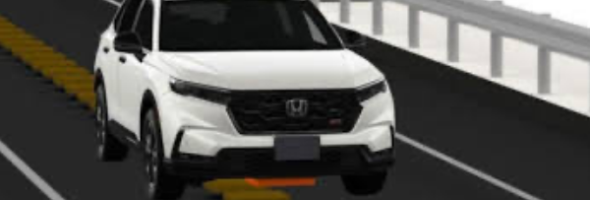
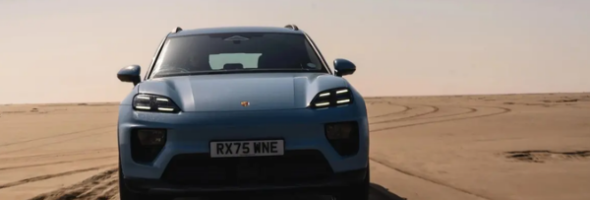
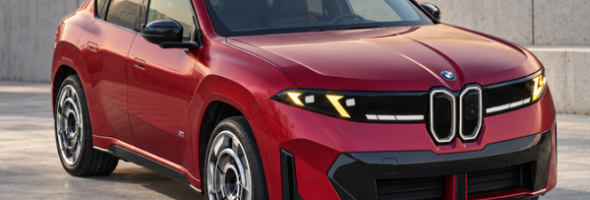
Automakers have clearly taken notice. Across segments, new model launches increasingly emphasize adaptability as a core selling point. SUVs with genuine off-road credentials and urban-friendly electric ranges, electric vehicles with dedicated towing modes and sport configurations, and compact cars with selectable eco and performance profiles are all responding to the same underlying consumer demand.
This trend also has implications for how vehicles are marketed. Rather than leading with a single defining characteristic, manufacturers are increasingly presenting their vehicles as holistic solutions — products capable of fitting into every chapter of a driver’s week, not just one.
Challenges Still Ahead
Despite the progress, delivering genuine multi-mode capability without meaningful compromise remains an engineering challenge. Adding versatility to a vehicle often introduces complexity, weight, and cost. Balancing all-electric efficiency with combustion-assisted range, or off-road robustness with on-road refinement, requires careful calibration that not every manufacturer has yet mastered.
Consumer education is another hurdle. Many buyers remain unaware of the full range of capabilities their vehicles already possess, underlining the need for clearer communication at the point of sale and beyond.
A New Standard in the Making
Multi-mode versatility is rapidly moving from a premium differentiator to a baseline expectation. As driving environments grow more varied and consumer lifestyles continue to evolve, the vehicles best positioned for long-term relevance will be those capable of adapting — not just the road they travel, but the life they support.