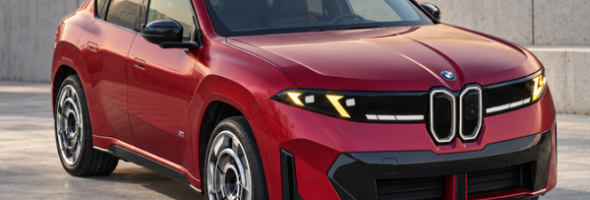
For most of the twentieth century, the automotive industry operated on a straightforward premise: build vehicles that move people efficiently, reliably, and at a price they can afford. That premise served the industry well for decades. Today, however, a more nuanced question is reshaping boardrooms and design studios around the world — what is a vehicle actually for?
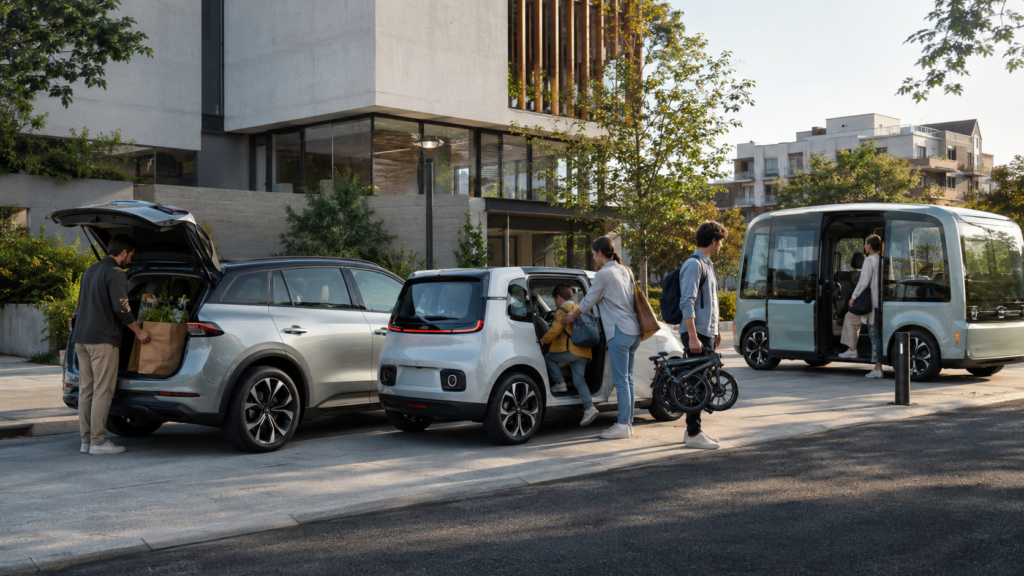
The answer, increasingly, is something far more complex than simple transportation. A growing segment of drivers, particularly younger consumers, are evaluating vehicles through the lens of purpose. They want mobility that aligns with their values, fits their lifestyle, and delivers an experience rather than merely a function. This shift is not a passing trend. It represents a fundamental realignment in the relationship between people and the machines that carry them.
What Purposeful Mobility Actually Means
The concept of purposeful mobility goes beyond electrification or connectivity, though both play a role. At its core, it refers to the idea that every aspect of a vehicle — its design, its energy source, its software ecosystem, and its environmental footprint — should serve a deliberate intention.
Consumers are no longer separating the act of driving from the broader choices they make in life. A vehicle purchase has become a values-driven decision. Buyers consider carbon impact, material sourcing, the longevity of digital features, and even the ethical stance of the manufacturer. In this environment, a car is no longer just hardware. It is a statement.
For automakers, this creates both an opportunity and a pressure point. Brands that can authentically communicate purpose — and back it with product decisions — stand to build stronger loyalty. Those that cannot risk being seen as manufacturing commodities in an increasingly crowded and commoditized market.
Rethinking the Product From the Ground Up
Responding to purposeful mobility requires automakers to revisit assumptions that have guided product development for generations. Consider the following shifts already underway:
- Software as the experience layer: Vehicles are increasingly defined by what they do digitally, not just mechanically. Over-the-air updates, personalized interfaces, and AI-assisted features are becoming as central to ownership satisfaction as ride comfort or engine performance.
- Sustainability as a design principle: Leading manufacturers are incorporating recycled materials, extending component lifecycles, and publishing transparency reports on their supply chains — not as marketing exercises, but as genuine product requirements.
- Flexible ownership models: Subscription-based access, shared mobility integration, and modular vehicle platforms reflect a recognition that for many users, ownership itself is no longer the goal. Access is.
- Urban-first thinking: As cities grow denser, the design of compact, maneuverable, and low-emission vehicles has shifted from a niche consideration to a mainstream competitive advantage.
The Strategic Challenge for Established Brands
Legacy automakers face a distinctive challenge in this environment. Decades of brand equity built around performance, prestige, or value for money do not automatically translate into credibility on purpose-driven ground. Consumers are perceptive, and performative messaging without substance tends to backfire.
The manufacturers navigating this transition most effectively are those treating purposeful mobility not as a marketing brief, but as an organizational philosophy. That means internal alignment between engineering, design, sustainability, and communications — a level of coherence that is genuinely difficult to achieve at scale.
Emerging players, particularly those born in the electric era, carry a structural advantage here. Having built their identity from scratch around a specific mission, they can speak the language of purpose more fluently. Established brands, in turn, are investing heavily in cultural transformation alongside product transformation.
A Defining Decade for the Industry
The shift toward purposeful mobility is accelerating, driven by regulatory pressure, changing consumer expectations, and the rapid pace of technological change. Automakers that treat this moment as a genuine strategic inflection point — rather than a compliance exercise — are positioning themselves for long-term relevance.
The vehicles of the next decade will still need to be safe, efficient, and desirable. But they will also need to mean something. That added dimension is reshaping every corner of the automotive world, and the companies that understand it earliest are likely to lead it.