For most of the twentieth century, the sedan was the undisputed backbone of the global automotive market. It defined what a family car looked like, what a sensible purchase meant, and what manufacturers built their reputations around. Today, that reign is quietly but unmistakably coming to an end.
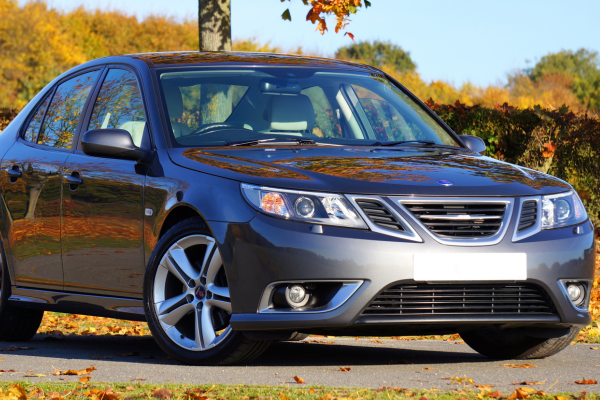
Across North America, Europe, and increasingly in Asia, traditional three-box sedans are losing shelf space at dealerships. Automakers are discontinuing beloved nameplates, trimming sedan lineups, and redirecting engineering resources toward body styles that consumers are actively choosing. The shift is structural, not cyclical — and it is reshaping the entire automotive industry.
Why Consumers Are Walking Away
The reasons behind the sedan’s decline are practical and deeply rooted in how people now think about their vehicles. Buyers increasingly expect their cars to serve multiple roles — commuting, weekend travel, light cargo hauling, and family logistics — and sedans, by design, were never built for all of those demands simultaneously.
Ride height has also become a decisive factor. Drivers have grown accustomed to the elevated seating position offered by SUVs and crossovers, which provides better visibility and a sense of commanding control on the road. Once consumers experience that perspective, returning to a low-slung sedan feels like a step backward.
Cargo flexibility is another pressure point. Sedans offer a fixed trunk, while crossovers and SUVs typically provide foldable rear seats and a continuous cargo floor — a practical advantage that resonates strongly with families and active lifestyle buyers.
The Automakers’ Response
The industry’s reaction has been swift and, in some cases, irreversible. Several major manufacturers have already exited the mainstream sedan segment entirely in certain markets, choosing instead to concentrate their portfolios on higher-margin, higher-demand vehicles. Production lines once dedicated to sedans have been retooled for crossovers, electric SUVs, and multi-purpose vehicles.
This is not purely a market-driven decision. From a profitability standpoint, SUVs and crossovers consistently generate stronger margins, making them more attractive investments for automakers navigating expensive electrification transitions. The economics of building a mid-size sedan are increasingly difficult to justify when consumer demand is consistently pointing elsewhere.
What Is Rising to Fill the Gap
Three body styles are emerging as the clear beneficiaries of the sedan’s retreat:
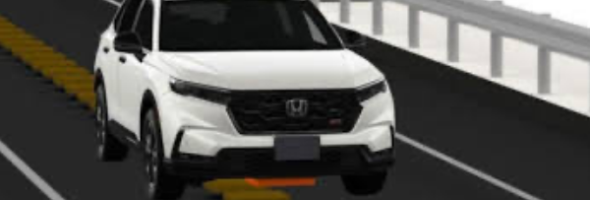
- Compact and mid-size crossovers: These remain the dominant force in most global markets, offering a versatile package that balances fuel efficiency, interior space, and approachable pricing. They have become the new family car by default.
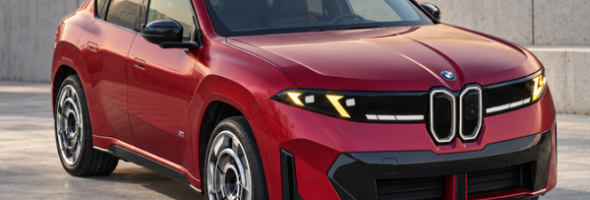
- Electric SUVs: As electrification accelerates, manufacturers are prioritizing electric SUV platforms over electric sedan platforms. The form factor aligns with consumer preferences and allows for larger battery packaging, which supports longer range figures.
- Fastback and coupe-SUVs: A newer category that blends the aesthetic appeal of a sloping roofline with the elevated stance of an SUV, these vehicles are attracting buyers who might once have considered a sporty sedan. They preserve some of the visual elegance of the sedan format while delivering the practicality modern drivers demand.
Is There Still a Future for Sedans?
The sedan is unlikely to vanish entirely. In premium and luxury segments, it retains a strong identity — associated with refinement, driving precision, and executive prestige. Performance sedans continue to attract enthusiasts who prioritize handling dynamics over cargo volume. And in certain Asian markets, the three-box silhouette still carries significant cultural weight.
However, the mass-market sedan — the practical, affordable, everyday family vehicle — faces a genuinely uncertain future. Without a meaningful shift in consumer preferences, or a technological disruption that redefines what a sedan can offer, the segment seems destined for a supporting role rather than a starring one.
The Road Ahead
The automotive landscape is not simply losing a body style. It is undergoing a fundamental renegotiation of what consumers value in personal transportation. Practicality, versatility, and elevated ride height have won that conversation for now. The sedan will endure in niches, but its era of cultural and commercial dominance appears to be drawing to a close — and the crossover, in all its variations, has already claimed the throne.