There was a time when automotive luxury was measured in abundance. The more wood trim, the more chrome accents, the more buttons and dials crowding a dashboard, the more premium a vehicle felt. That era is quietly but decisively coming to an end. Across the industry, from established luxury marques to ambitious electric vehicle startups, minimalist interior design has emerged as the dominant language of high-end automotive craftsmanship.
The Shift in What Luxury Means
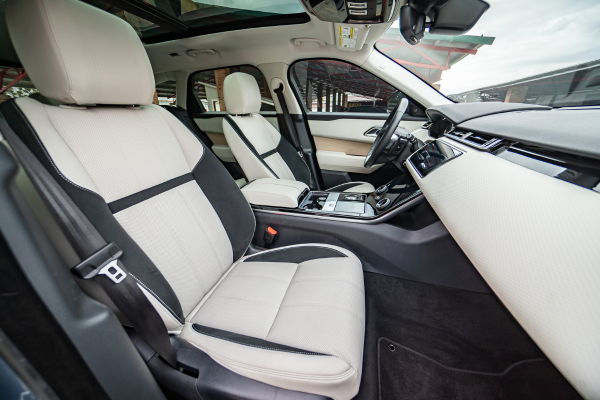
Today’s most aspirational vehicles share a common visual philosophy: restraint. Wide, uninterrupted surfaces replace ornate paneling. Physical controls are reduced to a essential few or eliminated entirely in favor of seamless touchscreens. Ambient lighting fills the role that decorative trim once played. The result is an interior that feels more like a curated living space than a traditional cockpit.
This shift is not purely aesthetic. It reflects a deeper change in how both manufacturers and consumers define quality. Where luxury once communicated status through visual complexity, it now communicates it through the confidence of simplicity — the idea that a brand is sophisticated enough to say less and still say everything.
Technology as the Invisible Engine
Much of this transformation has been driven by advances in vehicle technology. As digital interfaces have matured, the need for rows of physical switches has diminished. Functions that once required dedicated hardware — climate control, navigation, audio systems, driver assistance features — can now live within a single, elegantly integrated display.
This consolidation has given designers an unprecedented degree of freedom. Without the traditional constraints of instrument clusters and control panels, interior surfaces can be conceived as open canvases. The dashboard becomes an architectural statement rather than a functional board.
Electric vehicles have accelerated this process considerably. Without the mechanical complexity of combustion engines dictating interior packaging, EV manufacturers have been able to reimagine cabin architecture from the ground up, often producing spaces that feel genuinely novel compared to conventional vehicles.
Materials and Craftsmanship Take Center Stage
When decoration is removed, material quality becomes impossible to hide. Minimalist design places extraordinary pressure on the integrity of surfaces, textures, and finishes. A poorly stitched leather seat or an inconsistent panel gap is immediately visible in a stripped-back interior in a way it might not be in a more visually busy environment.
This dynamic has pushed luxury automakers to invest heavily in premium material sourcing and manufacturing precision. Sustainable materials — responsibly harvested woods, recycled textiles, plant-based leathers — have gained prominence not only for environmental reasons but because they bring genuine visual and tactile distinction to interiors that rely on materiality rather than ornamentation.
The Influence of Architecture and Consumer Culture
The rise of minimalism in automotive interiors does not exist in isolation. It mirrors broader cultural movements in architecture, product design, and consumer electronics, where simplicity and intentionality have become markers of refined taste. Brands like Apple built entire identities on the principle that removing the unnecessary elevates the essential.
Younger, affluent consumers who have grown up with these design values are now entering the premium automotive market. For this generation, a cluttered dashboard does not communicate wealth — it communicates outdatedness. Simplicity reads as intelligence, and intelligence reads as luxury.
A Standard Still Evolving
Minimalism in automotive interiors is not without its critics. Some drivers miss the tactile satisfaction of physical controls, arguing that touchscreen-only interfaces can compromise usability and safety at speed. The industry is actively navigating this tension, with some manufacturers finding thoughtful middle grounds that preserve key physical interactions while maintaining a clean overall aesthetic.
What is clear, however, is that the direction of travel is set. The question for automakers is no longer whether to embrace simplicity, but how to do so in a way that feels genuinely considered rather than merely fashionable.
In the end, minimalist interior design has become the new luxury standard precisely because it demands more — more precision, more intention, and more trust in the quality of what remains when everything unnecessary is taken away.