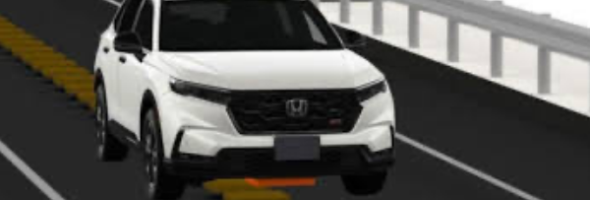
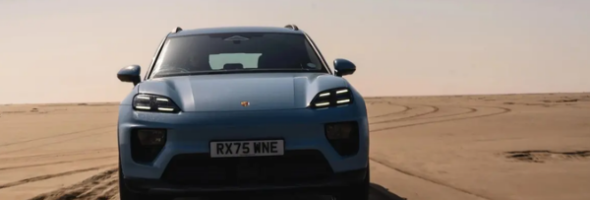
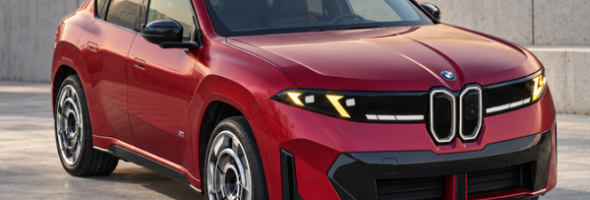
For decades, the promise of speed, power, and precision engineering drove some of the most compelling campaigns in automotive marketing. Horsepower figures, lap times, and zero-to-sixty numbers were the currency of desire. Today, however, a quieter but significant shift is underway. Across showrooms and digital platforms alike, automakers are stepping back from pure performance messaging and leaning into something broader, more personal, and increasingly dominant: lifestyle positioning.
The Rise of the Lifestyle-First Consumer
Modern car buyers, particularly those entering the market for the first time or upgrading from a previous vehicle, are asking different questions than their predecessors. Rather than focusing on engine displacement or track capability, today’s shoppers want to know how a vehicle fits into their daily routine, reflects their values, and supports the activities they care about.
This behavioral shift reflects deeper changes in consumer culture. Buyers across multiple demographics are placing greater weight on convenience, sustainability, connectivity, and social identity when making purchasing decisions. A vehicle is no longer just a machine — it is an extension of how people see themselves and how they want others to perceive them.
Automakers have recognized this evolution and are adapting accordingly. Marketing campaigns increasingly feature outdoor adventures, family moments, urban commutes, and tech-enabled lifestyles rather than closed circuits and precision driving sequences.
Performance Still Sells — But to a Shrinking Segment
This is not to suggest that performance branding has disappeared. Manufacturers with strong heritage in motorsport and high-output engineering continue to invest in that identity. Sports sedans, performance SUVs, and track-ready variants remain commercially viable products. However, the audience for purely performance-driven messaging has become more concentrated and, in relative terms, less influential in overall sales volume.
The mainstream market has moved on. Crossovers and SUVs now dominate global sales charts, and the majority of buyers choosing these vehicles are not motivated by zero-to-sixty times. They want cargo space, driver assistance features, fuel efficiency, and the sense that their vehicle belongs to a world they aspire to inhabit.
Even among electric vehicles — where instant torque could theoretically make performance messaging straightforward — brands have found more commercial traction by emphasizing range confidence, seamless connectivity, and environmental alignment rather than acceleration figures alone.
How Lifestyle Positioning Works in Practice
Lifestyle branding in automotive marketing is built around emotional resonance rather than technical specification. Instead of leading with what a vehicle can do in isolation, it focuses on what a vehicle enables its owner to do or feel in context.
- Visual storytelling: Campaigns place vehicles in aspirational but relatable settings — national parks, city neighborhoods, family gatherings — rather than on racetracks or empty highways.
- Community alignment: Brands increasingly associate themselves with outdoor enthusiasts, wellness culture, creative professionals, or technology-forward consumers.
- Value-driven messaging: Themes such as sustainability, safety, and digital integration speak directly to the priorities of younger, socially conscious buyers.
- Personalization narratives: Customization options and modular features are marketed as tools for self-expression, not just functionality.
The Implications for the Industry
The strategic pivot toward lifestyle positioning carries real consequences for how vehicles are developed, not just how they are sold. Product planners are now tasked with designing cars that look and feel aligned with specific consumer identities from the earliest stages. Interior aesthetics, ambient lighting, software interfaces, and even sound design are increasingly treated as lifestyle signals rather than engineering afterthoughts.
This also means that brand differentiation is becoming harder to achieve through performance metrics alone. When the majority of the market is not comparing horsepower figures, automakers must find other ways to stand out — and lifestyle authenticity has become one of the most competitive battlegrounds in the industry.
A New Definition of Desirability
The shift from performance branding to lifestyle positioning is not a retreat from ambition — it is a recalibration of what ambition means to the modern car buyer. In a market shaped by changing values, new technology, and evolving social priorities, the most compelling automotive brands will be those that make people feel understood, not just impressed.
Speed may still turn heads. But belonging, purpose, and identity are what close deals.