As temperatures drop, the mechanical and electrical systems in your car face conditions they were not necessarily designed to handle lightly. Cold air thickens fluids, weakens batteries, reduces tire pressure, and compromises visibility — all at the same time. The good news is that most winter-related breakdowns are entirely preventable with a few targeted checks before the season sets in.
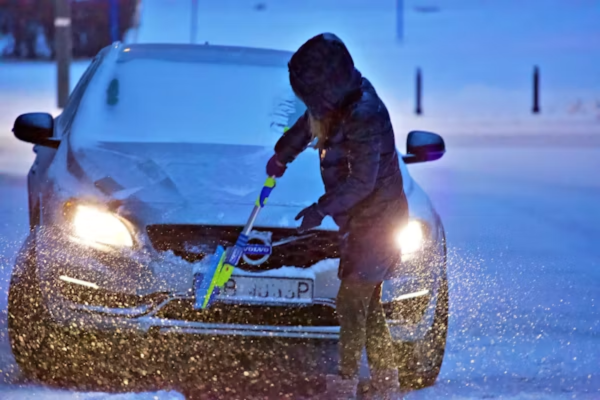
Whether you live in a region that experiences heavy snowfall or simply endures a few months of cold mornings, understanding how winter affects your vehicle puts you in a much stronger position to avoid the side of the road and the tow truck.
Start With the Battery
The car battery is one of the most vulnerable components during winter. Cold temperatures reduce a battery’s ability to deliver current, and if a battery is already aging or partially discharged, freezing weather can push it to failure without warning. Before the season hits, have your battery tested at a reputable service center. Most automotive shops offer this check for free or at minimal cost.
If your battery is more than three years old and showing signs of sluggish starts, consider replacing it proactively. A new battery is far less expensive than an emergency roadside callout on a cold night.
Check Your Tires Carefully
Tire pressure drops as outside temperatures fall — typically around one pound per square inch for every ten-degree decrease in temperature. Underinflated tires reduce traction, increase fuel consumption, and wear unevenly. Check your tire pressure regularly throughout winter and keep it at the manufacturer’s recommended level, which you can find on the sticker inside the driver’s door frame.
In areas where snow and ice are common, all-season tires may not be sufficient. Winter tires are engineered with a softer rubber compound and a more aggressive tread pattern that remains effective in cold conditions. If you regularly encounter snow-covered or icy roads, they represent one of the most meaningful safety investments you can make.
Fluids That Keep Your Car Moving
Several fluids in your vehicle are directly affected by cold temperatures:
- Engine coolant (antifreeze): Ensure the mixture is correct for the temperatures in your region. A proper coolant-to-water ratio prevents the fluid from freezing inside the engine block.
- Engine oil: Cold weather thickens conventional oil, making it harder for the engine to circulate it properly at startup. Check your owner’s manual for the recommended viscosity grade for winter use.
- Windshield washer fluid: Switch to a winter-rated formula that will not freeze on your windshield or in the reservoir. This is a simple but frequently overlooked step.
- Brake fluid: Although brake fluid is less temperature-sensitive than other fluids, contaminated or degraded fluid can still affect braking performance. If it has not been changed in a few years, winter is a good time to address it.
Visibility Is Non-Negotiable
Safe winter driving depends heavily on being able to see and be seen. Inspect your wiper blades before the season and replace them if they streak or skip across the glass. Dedicated winter wiper blades handle ice and snow more effectively than standard models.
Also check that all exterior lights are functioning — headlights, taillights, and fog lights. Reduced daylight hours and inclement weather make proper lighting critical for both your safety and the awareness of drivers around you.
Prepare an Emergency Kit
Even a well-maintained vehicle can encounter unexpected problems in winter. Keeping a basic emergency kit in your trunk provides a meaningful safety net. Consider including items such as an ice scraper, a small snow shovel, jumper cables or a portable jump starter, a reflective warning triangle, a flashlight, and a warm blanket.
Final Thought
Winter vehicle preparation is not about spending a great deal of money — it is about being systematic and proactive. A thorough check of your battery, tires, fluids, and visibility systems before the cold arrives can mean the difference between a reliable season and a dangerous one. Take the time now, and your car will reward you with dependability when it matters most.