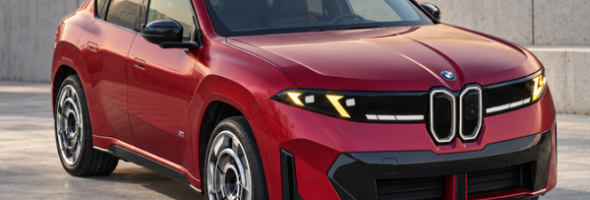
Plug-in hybrids are becoming one of the most interesting trends in the automotive market. While fully electric vehicles continue to grow, many drivers are choosing a middle ground: a car that can drive on electric power for daily trips but still has a gasoline engine for longer journeys.
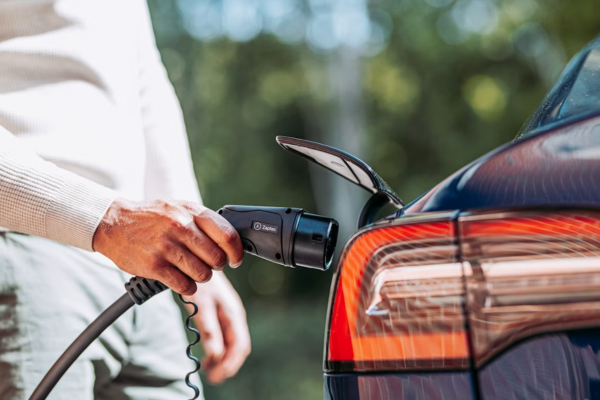
This shift shows that buyers are not only looking for cleaner mobility. They also want convenience, confidence and flexibility. For many households, a plug-in hybrid electric vehicle, also known as a PHEV, feels like a practical answer to the biggest concerns around full electric cars.
Why plug-in hybrids are attracting more buyers
One of the main reasons plug-in hybrids are gaining attention is range confidence. A fully electric vehicle depends entirely on charging infrastructure. That works well for many drivers, especially in cities or areas with reliable chargers. However, for people who travel often, live in apartments or do not have easy access to home charging, the decision can feel more complicated.
A plug-in hybrid reduces that pressure. Drivers can use electric mode for short daily commutes, school runs or errands. When the battery runs low, the gasoline engine takes over. This makes the vehicle easier to use in places where public charging is still developing.
In other words, PHEVs offer part of the EV experience without forcing drivers to completely change their habits overnight.
Automakers are responding with new models
Car manufacturers are also paying close attention to this trend. Several brands are expanding their hybrid and plug-in hybrid lineups as consumer demand becomes more balanced. Instead of pushing only fully electric models, automakers are building more options for buyers who want efficiency but still value traditional range.
Chinese brands are especially aggressive in this area. BYD, for example, has been expanding its plug-in hybrid technology in different markets. Its DM-i system focuses on electric-first driving while keeping a gasoline engine as backup. This strategy is helping plug-in hybrids become more competitive in price, range and fuel economy.
Traditional brands are also leaning into hybrids. Toyota, Honda, Hyundai, Kia, Ford and other manufacturers continue to offer hybrid or plug-in hybrid versions of popular SUVs and family vehicles. This matters because many buyers are not looking for a niche product. They want familiar body styles with better efficiency.
The SUV factor is important
The rise of plug-in hybrids is strongly connected to the popularity of SUVs. Around the world, SUVs remain one of the most desired vehicle categories. Drivers like the higher seating position, extra space and family-friendly design.
However, SUVs often consume more fuel than smaller cars. That makes hybrid technology especially attractive. A plug-in hybrid SUV can offer lower fuel use in daily driving while still providing the size and practicality buyers want.
This is why models such as plug-in hybrid compact SUVs and midsize SUVs are becoming more important. They combine two major market preferences: electrification and utility.
A practical bridge to full electrification
Plug-in hybrids are often described as a bridge between gasoline vehicles and fully electric cars. That description makes sense, but it also shows why the category is becoming stronger.
Many drivers are interested in electric vehicles, but they are not fully ready to switch. Some worry about charging time. Others are concerned about highway trips, resale value or battery performance over time. A PHEV makes the transition feel less risky.
For daily use, many plug-in hybrids can complete short trips with little or no gasoline. For longer trips, the gasoline engine removes the need to plan every stop around a charger. This balance is one of the biggest reasons the segment is gaining momentum.
The challenge: drivers must actually plug them in
Despite their benefits, plug-in hybrids are not perfect. Their real-world efficiency depends heavily on how they are used. If owners charge them regularly, they can deliver strong fuel savings. If they rarely plug them in, they may behave more like a heavier gasoline vehicle.
That is why education is important. Buyers need to understand that a plug-in hybrid works best when charging becomes part of the routine. Home charging, workplace charging or regular access to public chargers can make a major difference.
Automakers also need to make the technology simple. Clear displays, easy charging instructions and realistic electric range estimates can help drivers get the most out of these vehicles.
What this trend means for 2026
The growth of plug-in hybrids shows that the auto industry is entering a more flexible phase. The future is still moving toward electrification, but the path is not the same for every driver or every market.
In regions with strong charging networks, fully electric cars may continue to lead the transition. In areas where charging is limited or buyers remain cautious, plug-in hybrids could play a much larger role.
For automakers, the message is clear: customers want cleaner vehicles, but they also want practicality. The brands that offer efficient, affordable and easy-to-use plug-in hybrids could have a strong advantage in 2026 and beyond.