Something is changing in the way people buy cars — not dramatically, not overnight, but with the kind of quiet consistency that tends to define lasting behavioral shifts. Climate awareness, once considered a niche concern reserved for environmental advocates, has begun to work its way into the practical calculations that everyday consumers make when choosing a vehicle.
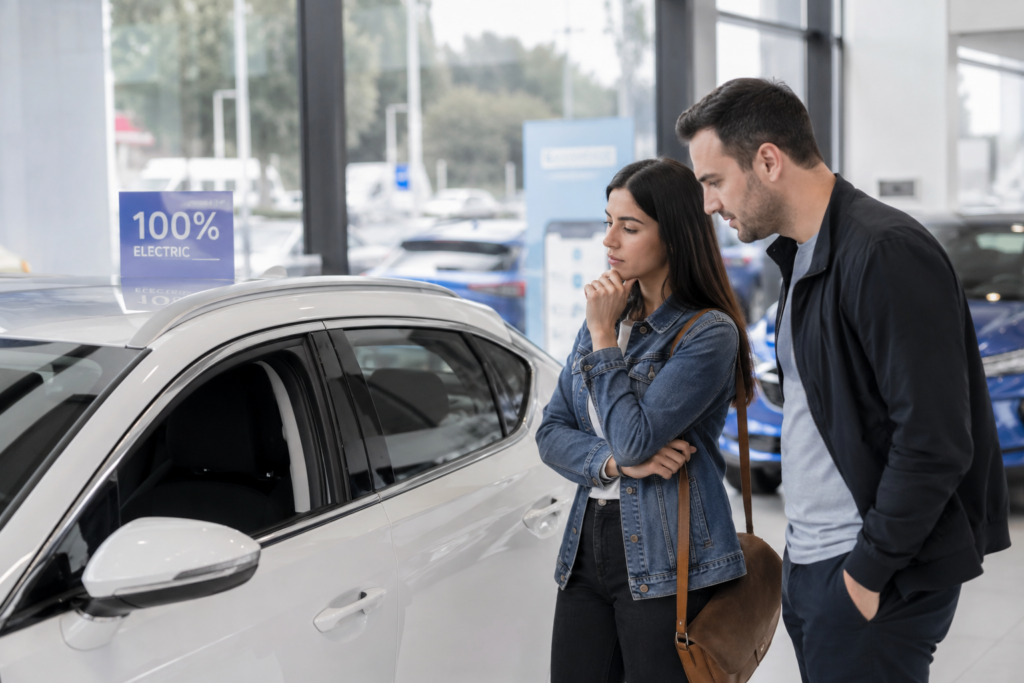
This isn’t simply about buyers rushing to purchase electric vehicles. The shift is more nuanced than that. It reflects a broader recalibration of priorities — one where fuel costs, long-term resale value, emissions regulations, and personal environmental responsibility are all factored into decisions that were once driven almost exclusively by price, aesthetics, and performance.
From Awareness to Action
For much of the past decade, surveys consistently showed that while consumers expressed concern about climate change, those concerns rarely translated into purchasing behavior. The gap between stated values and actual choices was significant. That gap appears to be narrowing.
Several forces are converging to make this shift more tangible. Rising fuel prices have made fuel efficiency a financial argument, not just an environmental one. Governments across major markets have introduced increasingly strict emissions regulations, making the long-term ownership calculus of combustion-engine vehicles less predictable. And perhaps most importantly, the availability of credible alternatives — from hybrid vehicles to a growing range of fully electric models — has removed the barrier of impracticality that once allowed consumers to defer greener choices indefinitely.
When a viable, affordable, and well-supported alternative exists, values and behavior tend to align more naturally.
The Long-Term Lens Is Widening
One of the more significant changes in consumer thinking involves the timeframe buyers use when evaluating a vehicle. Traditionally, many buyers focused on upfront cost and immediate running expenses. Today, a growing segment of the market is applying a longer lens — one that accounts for potential regulatory changes, anticipated depreciation tied to emissions standards, and the evolving infrastructure of electric charging networks.
This longer-term perspective tends to favor vehicles with lower emissions profiles. Buyers who anticipate stricter urban access restrictions for high-emission vehicles, or who factor in the likelihood of fluctuating fuel costs over a five-to-ten-year ownership period, are increasingly drawn toward hybrid and electric options even when the upfront cost may be higher.
This is a meaningful evolution in consumer sophistication — and automakers are paying close attention.
How Manufacturers Are Responding
The automotive industry has taken note of this gradual but sustained shift. Manufacturers are not only accelerating their electrification roadmaps, but are also adjusting how they communicate value to consumers. Environmental credentials — once buried in marketing footnotes — are now front and center in many brand campaigns.
More tellingly, automakers are investing in transparency tools that allow buyers to calculate the lifecycle emissions of a vehicle, compare total cost of ownership across powertrains, and understand the environmental sourcing of key components such as batteries. This reflects an understanding that today’s climate-aware consumer wants substance, not just messaging.
The Road Ahead
None of this suggests that environmental concern has become the dominant driver of vehicle purchases — price, reliability, and practicality remain central to most buying decisions. But the evidence increasingly points to climate awareness functioning as a meaningful secondary filter, shaping the shortlist of options consumers are willing to consider.
As younger generations, who tend to report stronger environmental priorities, continue to enter the new-vehicle market, this secondary filter may become primary for a growing share of buyers. The industry would do well to treat this not as a temporary trend, but as a structural change in the market it serves.
The showroom conversation is evolving. Climate awareness may not yet be closing deals on its own — but it is increasingly opening doors to vehicles that would have once been overlooked.