Brakes are among the most critical safety components on any vehicle, yet they are also among the most commonly neglected until a problem becomes obvious. The good news is that extending the life of your brakes does not require expensive upgrades or frequent visits to the shop. In many cases, it simply comes down to adjusting the way you drive on a daily basis.
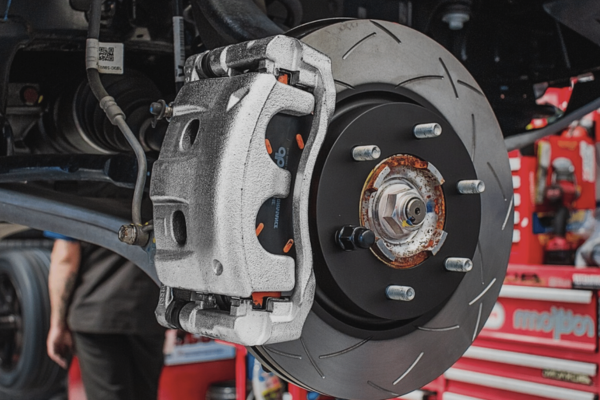
Understanding how brake wear occurs is the first step toward preventing it. Every time you press the brake pedal, friction is generated between the brake pads and rotors to slow the vehicle. The harder and more frequently that friction occurs, the faster your components degrade. Adopting smarter habits behind the wheel can meaningfully reduce that wear and extend the overall lifespan of your braking system.
Anticipate Traffic Rather Than React to It
One of the most effective ways to reduce unnecessary brake use is to look further ahead on the road. Drivers who focus only on the vehicle directly in front of them tend to brake suddenly and repeatedly. By scanning traffic patterns, signal lights, and road conditions well in advance, you give yourself time to coast naturally and reduce speed gradually before braking becomes necessary.
This technique, sometimes called predictive driving, is particularly useful in urban environments where stop-and-go traffic is common. Instead of accelerating toward a red light only to brake hard, ease off the accelerator early and allow the vehicle to decelerate on its own momentum.
Use Engine Braking When Appropriate
Engine braking is the process of using your vehicle’s drivetrain resistance to slow down, rather than relying solely on your brake pads. For drivers of manual transmission vehicles, downshifting before a descent or approaching a stop is a well-known practice. However, drivers of automatic vehicles can also benefit from lifting off the throttle earlier and allowing the car’s natural deceleration to do more of the work.
On long downhill roads, in particular, relying too heavily on the brakes can cause brake fade — a reduction in braking effectiveness caused by excessive heat buildup. Using engine braking in these situations protects both your pads and your rotors.
Avoid Carrying Unnecessary Weight
The heavier your vehicle, the more force your brakes must exert to bring it to a stop. While it may seem like a minor factor, consistently carrying excessive weight in your trunk or cargo area places a continuous additional burden on your braking system. Periodically removing items you do not need for everyday driving is a simple habit that contributes to longer brake life over time.
Maintain a Safe Following Distance
Tailgating is not only a safety hazard — it is also one of the fastest ways to wear out your brakes. When you follow other vehicles too closely, you are forced to react to their movements rather than anticipate them, which typically results in more frequent and harder braking. Keeping a generous following distance gives you the time and space needed to slow down gradually, reducing the stress placed on your braking components.
Brake Smoothly and Progressively
The manner in which you apply pressure to the brake pedal matters just as much as how often you brake. Aggressive, sudden braking generates significantly more heat and friction than smooth, progressive deceleration. Developing a habit of applying steady, measured pressure when slowing down — rather than stamping on the pedal at the last moment — can make a meaningful difference in how long your brake pads last.
Regular Inspections Complement Good Habits
Even the best driving habits cannot replace scheduled maintenance. Brake pads, rotors, and fluid should be inspected regularly by a qualified technician. Catching uneven wear or low pad thickness early prevents more expensive repairs down the road and ensures that your system performs reliably when you need it most.
Small Adjustments, Long-Term Results
Brake maintenance is not just a mechanical concern — it is a driving behavior concern. By anticipating traffic, using engine braking, reducing unnecessary load, maintaining safe distances, and applying the brakes smoothly, you can significantly extend the life of your braking system. These are habits that cost nothing to develop and pay back dividends in both safety and savings over the long term.