The car battery is one of those components that drivers tend to ignore — until the moment it fails. Whether you are rushing to work or heading out on a road trip, a dead battery can bring everything to a halt. The good news is that with the right maintenance habits, you can extend the life of your battery significantly and avoid unexpected breakdowns.
Understanding How a Car Battery Works
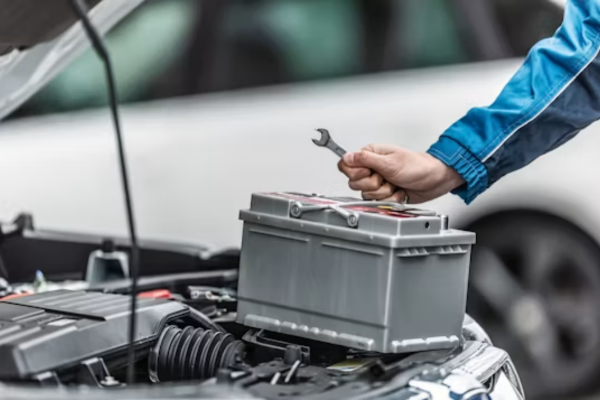
A standard automotive battery provides the electrical current needed to start the engine and powers key systems when the vehicle is not running. Over time, however, batteries lose their ability to hold a charge due to natural chemical degradation, temperature exposure, and usage patterns. Knowing this helps drivers take a more proactive approach to battery care.
Key Habits That Extend Battery Life
1. Avoid Short Trips Whenever Possible
Every time you start your car, the battery expends energy. The alternator is responsible for recharging it while the engine runs — but short journeys do not give the system enough time to fully recover that lost charge. Over time, repeated short trips can leave the battery in a chronically undercharged state, accelerating its decline. When possible, combine errands or take longer routes to allow the alternator to do its job effectively.
2. Turn Off Electrical Loads When the Engine Is Off
Leaving the headlights, interior lights, or other accessories running when the engine is off is one of the fastest ways to drain a battery. Modern vehicles often include automatic shutoff systems for certain features, but it is still good practice to double-check before leaving the car. Even small parasitic draws — such as phone chargers left plugged in — can accumulate over hours and reduce battery reserve capacity.
3. Keep the Battery Clean and Secure
Corrosion on the battery terminals is a common but easily preventable problem. A buildup of white or bluish residue around the terminals can restrict electrical flow and cause starting problems. Cleaning the terminals periodically with a suitable solution and a stiff brush can help maintain a strong connection. Also, make sure the battery is properly secured in its tray — excessive vibration from a loose battery can damage internal components over time.
4. Monitor the Battery’s Charge Regularly
Most auto parts stores and service centers can test a battery’s state of charge and overall health quickly and often at no cost. Getting a routine check — especially before the colder months when batteries are under greater strain — gives you early warning of any developing issues. A battery tester can also be a worthwhile investment for drivers who prefer to handle basic maintenance at home.
5. Manage Extreme Temperature Exposure
Both heat and cold can have a significant impact on battery performance and longevity. High temperatures accelerate internal corrosion and cause battery fluid to evaporate, while cold weather reduces the battery’s ability to deliver power efficiently. Parking in a garage or shaded area during summer, and using an insulation blanket in winter, can help reduce the thermal stress placed on the battery.
Knowing When It Is Time to Replace
Even with excellent care, all batteries have a finite lifespan. If your vehicle takes noticeably longer to start, if you experience frequent electrical issues, or if your battery is approaching the end of the typical service window for your vehicle type, it is worth consulting a technician. Waiting too long can sometimes cause a failing battery to damage connected components, turning a simple replacement into a more costly repair.
A Small Investment in Attention Goes a Long Way
Car battery maintenance does not require advanced mechanical knowledge or expensive tools. It simply requires consistency and awareness. By building a few simple habits — monitoring charge levels, avoiding unnecessary electrical drain, and keeping connections clean — drivers can protect one of the most essential components in their vehicle and enjoy more reliable performance for years to come.