With vehicle ownership costs on the rise, many drivers are turning to used tires as a way to cut expenses. On the surface, it seems like a reasonable decision — tires can be expensive, and a secondhand set in decent condition appears to offer real savings. However, buying used tires involves risks that are not always visible to the untrained eye, and making the wrong choice can have serious consequences on the road.
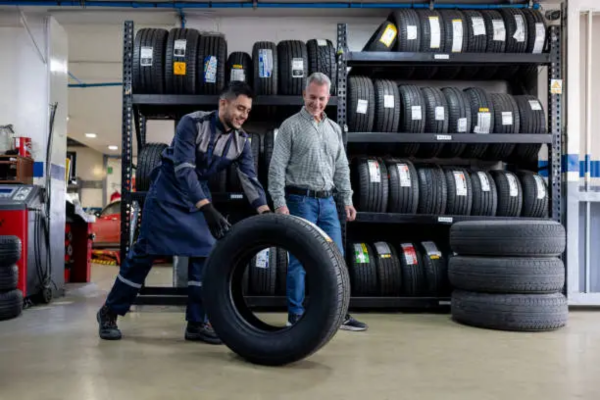
Before handing over cash for a set of pre-owned tires, every driver should understand what to look for, what to avoid, and why the cheapest option is not always the safest one.
Why Used Tires Carry Hidden Risks
Unlike most used car parts, tires deteriorate both from use and from age — even when sitting in storage. A tire that looks clean and has adequate tread depth may still be structurally compromised due to UV exposure, temperature fluctuations, or internal damage that is impossible to detect without professional inspection.
The most dangerous scenario involves a tire with internal structural damage or sidewall weakness. These issues can lead to sudden blowouts at highway speeds, a situation that leaves drivers with little time to react. The problem is that such damage often leaves no visible trace on the outside of the tire.
Key Things to Check Before Purchasing
Tread Depth
Tread depth is the most obvious indicator of a tire’s remaining life. Most safety standards recommend replacing tires before they reach a certain minimum depth. A simple coin or depth gauge can give you a quick reading, but keep in mind that adequate tread alone does not guarantee the tire is safe.
Age of the Tire
Every tire carries a DOT code on its sidewall. The last four digits of this code indicate the week and year the tire was manufactured. Even if a tire has never been used, rubber compounds degrade over time. Most manufacturers and safety experts recommend replacing tires regardless of condition once they exceed a certain age threshold — typically several years from the date of production.
Sidewall Condition
Inspect the sidewalls carefully for cracks, bulges, cuts, or any deformation. Bulges in particular are a red flag, as they indicate internal structural failure. A tire with any sidewall bulge should never be installed on a vehicle.
Even Wear Patterns
Uneven tread wear is a sign that the previous vehicle may have had alignment, suspension, or inflation problems. Tires with one-sided wear, center wear, or patchy wear patterns may perform unpredictably and wear out faster than expected.
Signs of Repairs
Plugs and patches are common tire repairs. While a properly executed internal patch is generally considered acceptable, multiple repairs or improperly placed plugs near the sidewall should raise concern. Ask the seller directly about any prior repairs and, whenever possible, inspect the inside of the tire.
When Used Tires Make Sense — and When They Don’t
There are situations where used tires can be a reasonable temporary solution — for example, as a short-term fix while waiting for a new tire order, or as a spare for low-speed or emergency use. However, for everyday driving, especially at highway speeds or in demanding weather conditions, the margin for error is simply too narrow.
Drivers should also consider that the savings from used tires can quickly disappear if the tires wear out faster or, in the worst case, cause an accident. The financial and personal cost of a tire-related incident far outweighs what is saved upfront.
The Smart Approach
If budget is a genuine concern, consider shopping for new tires from reputable discount retailers, looking for seasonal promotions, or purchasing a single new tire when only one needs replacement. Many tire shops also offer financing options that make new tire purchases more accessible.
If you do decide to buy used tires, have them inspected by a professional mechanic or tire technician before installation. No visual check from a parking lot or online listing can substitute for a thorough hands-on evaluation.
In the end, tires are the only contact point between your vehicle and the road. Treating that decision with the seriousness it deserves is not just good automotive practice — it is a matter of safety for every driver and everyone else sharing the road.