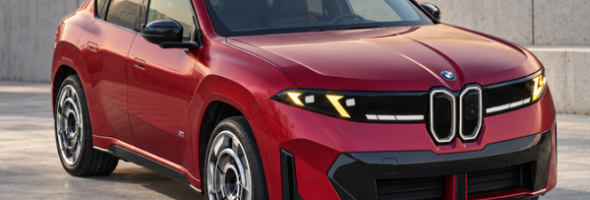
Audi is making a calculated move to strengthen its position in the electric vehicle market by expanding its well-established Q family with a new entry-level electric SUV. The decision reflects a broader industry shift toward making premium electrification accessible to a larger segment of buyers who value quality and technology but seek a more attainable price point.
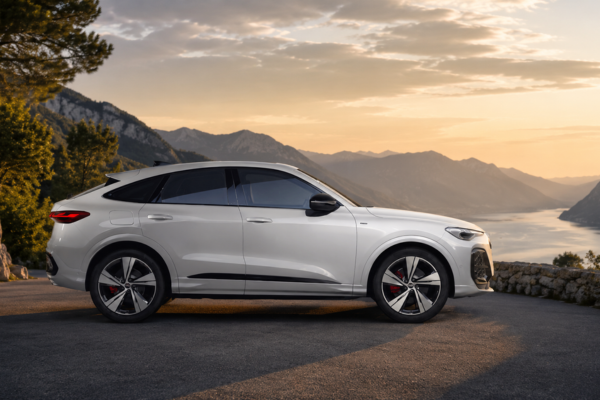
A Strategic Addition to a Proven Lineup
The Q family has long been one of Audi’s most commercially successful pillars, spanning a range of sizes and powertrains that cater to diverse customer preferences. By introducing an entry-level electric variant, the German automaker signals its intention to compete more aggressively at the volume end of the premium EV segment — a space that is becoming increasingly contested as legacy automakers and new challengers alike intensify their efforts.
This new model is expected to sit below the Q4 e-tron in the brand’s electric hierarchy, offering buyers a more compact and competitively priced option without abandoning the design language, interior quality, and technological sophistication that define the Audi identity. For a brand built on the promise of progressive luxury, striking this balance is essential.
Targeting a New Generation of EV Buyers
One of the clearest objectives behind this expansion is audience reach. The entry-level segment represents a significant opportunity for premium automakers to engage younger consumers and first-time EV adopters who are ready to move away from conventional powertrains but remain price-conscious.
Audi’s approach appears to be one of considered democratization — bringing the core values of the brand within reach of a broader demographic while maintaining the differentiation that justifies its premium positioning. This is not simply about offering a cheaper vehicle; it is about redefining the minimum standard of what an Audi electric experience should feel like.
Technology and Platform Considerations
Although specific technical details have yet to be fully confirmed, the new entry-level SUV is anticipated to benefit from Audi’s ongoing investment in modular electric architectures developed in close collaboration with the Volkswagen Group. Shared platforms allow the brand to optimize costs while delivering competitive range, charging performance, and software capabilities.
Connectivity, driver assistance systems, and over-the-air update functionality are expected to be central to the vehicle’s proposition — features that today’s EV buyers increasingly treat as standard expectations rather than optional extras.
Implications for the Broader EV Market
Audi’s expansion of the Q family is not happening in isolation. Across the premium segment, manufacturers are under pressure to accelerate electrification timelines while managing the economic realities of battery costs and shifting consumer demand. An accessible entry-level model helps brands achieve fleet electrification targets and respond to evolving regulatory requirements in key markets, particularly in Europe.
Furthermore, this move reinforces Audi’s long-term commitment to an all-electric future — a transition the brand has publicly embraced as central to its product strategy heading into the latter half of the decade.
What to Expect Next
As the automotive community awaits further official details, including confirmed specifications, pricing structures, and market availability timelines, the announcement itself carries significant weight. It confirms that Audi views the entry-level electric SUV segment not as a compromise, but as a genuine growth opportunity worthy of the Q badge.
For prospective buyers, this development represents a compelling reason to watch the brand’s upcoming reveals closely. An Audi electric SUV at an accessible price point — done right — could meaningfully shift the competitive dynamics of the premium EV market.