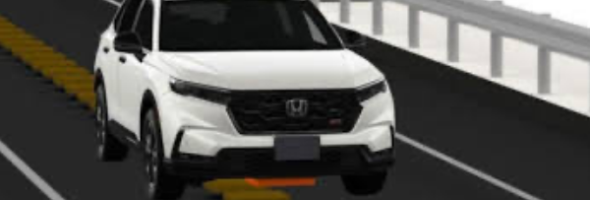
Across the global automotive industry, a clear pattern is emerging: vehicle manufacturers are no longer treating connectivity as a secondary feature or an optional upgrade. Instead, it has become a foundational element of their broader technology strategies, influencing everything from product development cycles to long-term business models.
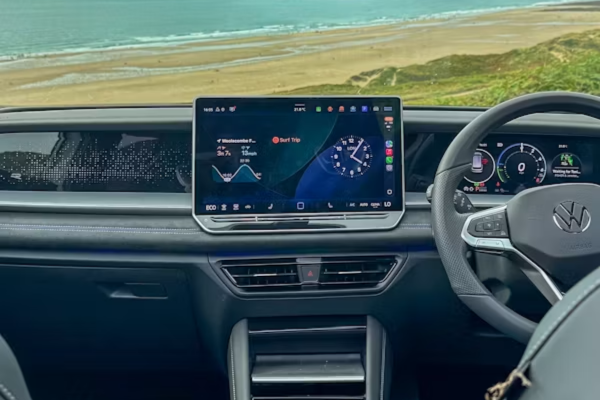
What was once considered a premium differentiator — the ability to connect a vehicle to a network, receive over-the-air updates, or integrate seamlessly with a driver’s digital ecosystem — is rapidly becoming a baseline expectation among consumers. Automakers are responding accordingly, accelerating investment in connected vehicle platforms and rethinking how cars communicate with both users and infrastructure.
From Features to Platforms
The shift underway is not simply about adding more screens or enabling smartphone mirroring. Manufacturers are building comprehensive digital platforms that treat the vehicle as a connected node in a broader mobility ecosystem. These platforms are designed to collect data, deliver real-time services, and evolve over time through software updates — much like a smartphone operating system.
This approach has significant implications for how vehicles are designed, manufactured, and sold. Hardware increasingly serves as the foundation for software-driven experiences, meaning that a car’s capabilities on the day it leaves the dealership may look quite different from those it offers two or three years later. For automakers, this creates new revenue streams tied to subscriptions and digital services, while for consumers, it promises vehicles that remain relevant and functional for longer periods.
Connectivity and the Drive Toward Safer, Smarter Roads
Beyond the in-cabin experience, connectivity is playing a growing role in road safety and traffic management. Vehicle-to-infrastructure (V2I) and vehicle-to-vehicle (V2V) communication technologies are advancing steadily, enabling cars to share data with traffic signals, emergency systems, and other vehicles in real time. These capabilities hold meaningful potential for reducing collisions and improving traffic flow in urban environments.
Manufacturers are also leveraging connectivity to enhance driver assistance systems. When vehicles can draw on cloud-based data — including weather conditions, road hazard reports, and live mapping updates — advanced driver assistance systems become substantially more effective, bridging the gap between today’s semi-autonomous features and the autonomous driving capabilities anticipated in the future.
Consumer Expectations Are Reshaping the Competitive Landscape
The commercial motivation behind this connectivity push is straightforward. Modern car buyers, particularly younger generations, arrive at showrooms with digital-first expectations shaped by smartphones and streaming services. They expect their vehicles to be intuitive, responsive, and continuously improving. Automakers that fail to meet these expectations risk losing ground to competitors — including technology-focused entrants — who place software and connectivity at the heart of their offerings.
This competitive pressure has prompted even traditionally conservative manufacturers to accelerate their digital transformation timelines, forming partnerships with technology companies, investing in proprietary software development capabilities, and restructuring internal teams to support faster innovation cycles.
The Road Ahead
As connectivity becomes deeply embedded in automotive strategy, several important questions remain on the horizon. Data privacy and cybersecurity are growing concerns, as more connected systems mean more potential vulnerabilities. Regulatory frameworks are still evolving in many markets, and industry standards for interoperability between different manufacturers’ platforms are not yet fully established.
Despite these open challenges, the direction of travel is unmistakable. Connectivity is no longer a feature that manufacturers add to vehicles — it is increasingly the infrastructure upon which modern vehicles are built. For the automotive industry, this transformation represents both one of its most complex engineering challenges and one of its most significant commercial opportunities in decades.