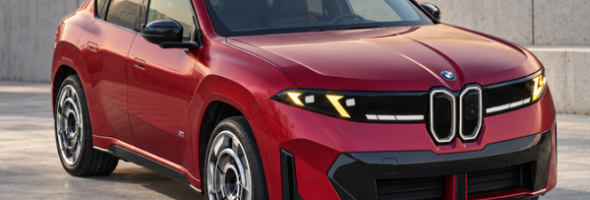
The global automotive industry is undergoing one of its most significant engineering transitions in decades. Rather than adapting existing combustion-era architectures to accommodate electric drivetrains, a growing number of automakers are committing substantial resources to developing platforms built exclusively for electric vehicles from the ground up. This shift represents more than a technological upgrade — it signals a fundamental rethinking of how vehicles are designed, manufactured, and experienced by consumers.
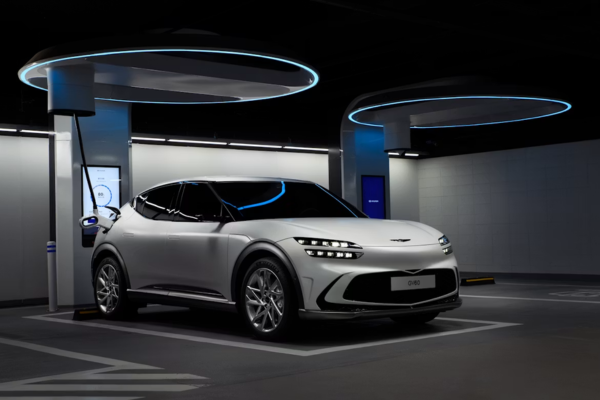
Purpose-built electric vehicle platforms offer advantages that retrofitted architectures simply cannot match. Engineers working without the constraints of legacy combustion layouts can optimize battery placement, structural rigidity, software integration, and interior space in ways that translate directly into better-performing, more efficient vehicles. For automakers, the long-term economics of a well-designed native EV platform can also reduce manufacturing complexity and improve profitability over time.
Why Dedicated Platforms Matter
The distinction between a shared multi-powertrain platform and a dedicated electric architecture may seem technical, but its consequences are far-reaching. Vehicles built on platforms designed specifically for electric powertrains tend to benefit from:
- Lower center of gravity, thanks to floor-mounted battery packs that improve handling dynamics.
- Maximized interior space, since the absence of a transmission tunnel and engine bay frees cabin volume significantly.
- Optimized thermal management systems designed around battery performance from the outset.
- Over-the-air software integration built into the vehicle’s architecture rather than added as an afterthought.
- Faster and more cost-efficient future updates, as the platform evolves alongside software capabilities.
These advantages are increasingly recognized not only by engineers but by consumers, who are beginning to distinguish between electric vehicles that feel genuinely native to their technology and those that carry the compromises of a hybrid approach.
Investment Trends Across the Industry
Across multiple market segments, investment in EV-specific platform development has become a strategic priority. Established manufacturers are allocating significant portions of their capital expenditure to next-generation electric architectures, while newer entrants continue to refine platforms that were electric-native from their inception.
This trend extends beyond passenger cars. Commercial vehicle manufacturers, truck makers, and premium brands are all pursuing dedicated electric foundations tailored to their specific performance, payload, and efficiency requirements. The breadth of this commitment suggests that EV platform investment is no longer an experimental initiative but a core pillar of long-term product strategy.
Supplier ecosystems are also evolving in response. Battery suppliers, semiconductor manufacturers, and software developers are aligning their roadmaps more closely with the demands of purpose-built electric architectures, creating a broader industrial shift that reinforces automakers’ investment decisions.
Challenges That Remain
Despite the momentum, the transition is not without obstacles. Developing a new vehicle platform from scratch requires substantial upfront investment and engineering time, creating financial pressure, particularly for smaller manufacturers. Balancing the continued production of combustion vehicles — still the primary revenue source for most automakers — with the demands of EV platform development remains a complex operational challenge.
Consumer adoption rates, charging infrastructure availability, and regulatory frameworks across different regions also continue to influence the pace at which automakers can fully commit their product portfolios to electric-native architectures.
Looking Ahead
The expansion of investment in dedicated EV platforms is a clear indicator of where the automotive industry believes the future lies. While the timeline for widespread electrification continues to be debated, the engineering and capital commitments being made today will shape the vehicles consumers drive for the next decade and beyond.
For the industry as a whole, purpose-built electric platforms are becoming less of a competitive differentiator and more of a baseline expectation — the foundation upon which the next generation of mobility will be built.