For decades, the interaction between a driver and their vehicle followed a relatively straightforward logic: the driver gives inputs, the car responds mechanically. Pedals, steering wheels, gear levers — the language of driving was physical and direct. But industry experts increasingly argue that this relationship is on the verge of a profound transformation, one driven by advances in artificial intelligence, sensor technology, and software-defined vehicle platforms.
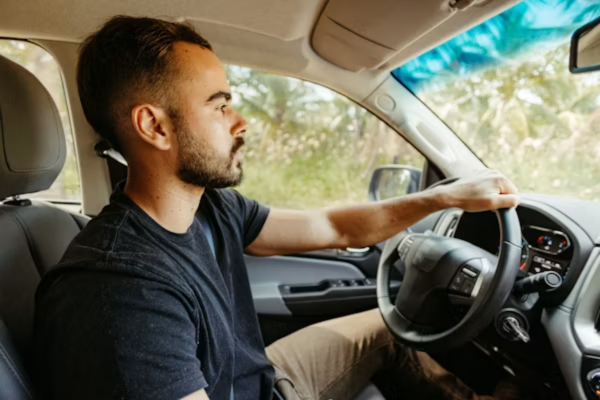
What is emerging is not simply a smarter dashboard or a more responsive touchscreen. Specialists describe something more fundamental: a shift toward vehicles that can read context, anticipate needs, and adapt behavior in real time — not just to road conditions, but to the individual behind the wheel.
From Reactive to Proactive Systems
Traditional vehicle systems have always been reactive. A driver presses the brake, the car slows. A driver turns the wheel, the car changes direction. The vehicle, in this model, is a passive instrument responding to deliberate commands.
What experts now anticipate is a move toward proactive interaction. Modern vehicles equipped with advanced driver monitoring systems, biometric sensors, and AI-powered software can detect subtle cues — eye movement, grip pressure, even physiological signals — and use that data to adjust the driving experience before the driver consciously acts.
This might mean a vehicle automatically adjusting suspension settings when it detects stress in the driver’s behavior, or subtly recalibrating steering responsiveness based on fatigue indicators. The car, in this emerging paradigm, becomes less of a tool and more of a collaborative partner.
The Role of Artificial Intelligence
Central to this evolution is the growing sophistication of artificial intelligence embedded in vehicle architecture. AI systems can process enormous volumes of data from cameras, microphones, radar arrays, and internal sensors simultaneously, enabling a level of contextual awareness that was simply not possible in previous generations of automotive technology.
Over time, these systems are also designed to learn. A vehicle that accumulates data about a specific driver’s habits, preferences, and patterns can progressively personalize the experience — adjusting everything from climate control timing to route suggestions and alert thresholds.
The vehicle of the near future will not simply transport people from one place to another. It will understand the person it is transporting.
This sentiment, widely echoed across automotive technology conferences and industry forums, reflects a growing consensus that the human-machine interface is entering its most significant redesign in automotive history.
Safety as a Primary Driver of Change
Beyond convenience and personalization, safety remains the most compelling argument for advancing vehicle-driver interaction. Distraction, fatigue, and impaired driving continue to be major contributors to road incidents globally. Intelligent interaction systems that can detect early warning signs and intervene — through alerts, gentle corrective actions, or even temporary autonomous assistance — represent a meaningful opportunity to reduce risk on public roads.
Regulatory frameworks in several regions are already beginning to reflect this direction, encouraging or mandating the integration of driver monitoring technologies in new vehicles. As these requirements evolve, automakers are under increasing pressure to develop systems that are not only technologically capable but also intuitive and trustworthy for everyday users.
A Balance Between Assistance and Autonomy
One of the more nuanced debates within the industry concerns how much intervention is appropriate. Experts caution that overly assertive systems risk frustrating drivers or undermining their confidence in the vehicle. The ideal, most specialists agree, is a design philosophy that enhances the driver’s capabilities rather than replacing their judgment.
This balance — between offering meaningful assistance and preserving the driver’s sense of control — will likely define the quality and acceptance of next-generation interaction systems as much as any underlying technology.
Looking Ahead
The evolution of vehicle-driver interaction is not a distant concept. It is already underway in high-end vehicles and is progressively moving into mainstream segments as costs decrease and technology matures. What experts broadly agree on is that the cars of the coming decade will know their drivers in ways that feel genuinely new — and that this shift will reshape expectations around what driving actually means.
For the automotive industry, the challenge is no longer purely engineering. It is equally about designing trust, building intuitive experiences, and ensuring that as vehicles grow smarter, the humans inside them feel more capable, not less.