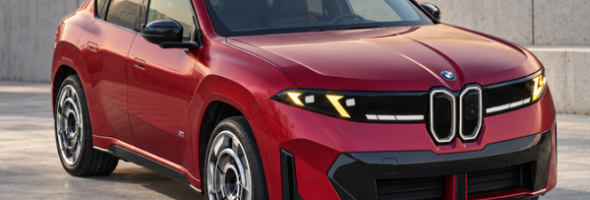
Across major automotive markets in Europe, North America, and Asia-Pacific, demand for hybrid vehicles continues to strengthen. Consumers are increasingly turning to hybrid technology as a pragmatic solution that delivers improved fuel economy and reduced emissions without requiring the infrastructure commitments associated with fully electric vehicles.
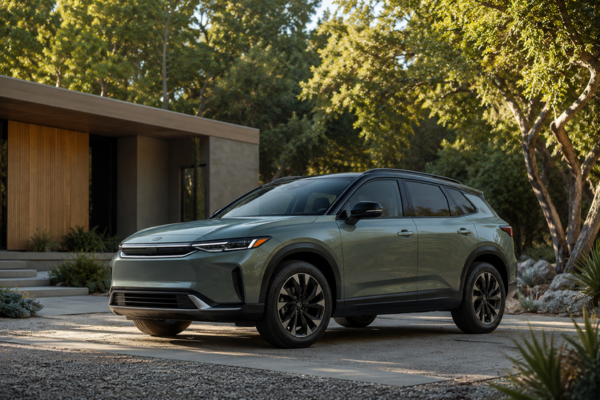
This trend reflects a broader evolution in how drivers approach the transition away from conventional internal combustion engines. Rather than making an immediate leap to battery-electric vehicles, many buyers are choosing hybrids as a confident, accessible middle ground — one that fits comfortably into existing routines without range anxiety or charging limitations.
What Is Driving Hybrid Growth?
Several converging factors are contributing to the sustained rise in hybrid adoption across key global regions:
- Fuel cost awareness: Persistently variable fuel prices have made efficiency-focused powertrains more attractive to everyday drivers seeking long-term savings.
- Expanding model availability: Automakers have significantly broadened their hybrid lineups, offering options across sedans, crossovers, SUVs, and trucks — making it easier for consumers to find a hybrid that suits their lifestyle.
- Improved technology: Modern hybrid systems have become smoother, more responsive, and better integrated, erasing much of the performance stigma that once surrounded the segment.
- Regulatory pressure: Stricter emissions standards in markets such as the European Union and parts of Asia are encouraging both manufacturers and consumers to migrate toward lower-emission powertrain options.
- Charging infrastructure gaps: In regions where public charging networks remain underdeveloped, hybrids offer a practical path toward cleaner mobility without dependency on external infrastructure.
Regional Market Dynamics
The growth story is not uniform, but it is consistent across several strategic markets. In Europe, hybrid vehicles have captured a growing share of new registrations as consumers respond to tightening emissions targets and rising awareness of environmental impact. Plug-in hybrids, in particular, have found strong acceptance among urban drivers who can charge at home while retaining the combustion engine for longer journeys.
In the United States, hybrid SUVs and trucks have proven especially popular, aligning with consumer preferences for larger vehicles that still offer meaningful fuel savings. The segment has benefited from a cultural shift toward sustainability without sacrificing the utility and comfort that American buyers traditionally expect.
Across Asia-Pacific markets, hybrid technology has long been embraced — particularly in Japan, where domestic manufacturers pioneered the segment decades ago. Today, hybrid adoption continues to expand in emerging markets throughout the region, driven by urbanization, environmental awareness, and the increasing affordability of hybrid models.
The Role of Hybrids in the Broader Electrification Journey
Industry analysts broadly view the hybrid segment as a critical bridge technology — one that allows consumers to acclimate to electrified driving while manufacturers scale up battery production and charging infrastructure matures globally. This perspective reinforces the long-term strategic importance of hybrids, even as fully electric vehicles continue their upward trajectory.
For automakers, sustained hybrid demand provides a valuable revenue stream that supports the significant capital investments required for full electrification. It also helps manufacturers meet near-term fleet emissions targets while expanding their electric vehicle portfolios in parallel.
Looking Ahead
The outlook for hybrid vehicles remains positive. As battery costs evolve and consumer familiarity with electrified powertrains deepens, hybrids are expected to maintain relevance well into the next decade. Their ability to deliver tangible environmental benefits with minimal behavioral change from the driver continues to resonate with a wide and diverse global audience.
In a market where choice and flexibility are increasingly valued, hybrid vehicles occupy a uniquely strong position — practical, proven, and perfectly suited to a world still navigating its path toward full electrification.