The way people move through cities has changed dramatically over the past decade. Rising population density, expanding public transit networks, shifting commuting habits, and a growing awareness of environmental impact have collectively forced automakers to reconsider what a vehicle needs to be. Urban mobility is no longer a secondary consideration in the design process — it has become the central force shaping the industry’s direction.
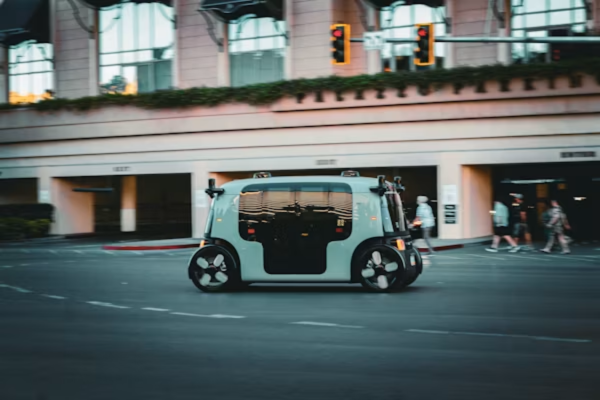
For much of automotive history, vehicles were engineered with open roads and long distances in mind. Today, a growing share of the global population lives and moves within densely connected urban environments, and manufacturers are responding accordingly.
Compact, Efficient, and Purpose-Built
One of the most visible shifts in automotive design is the increasing prioritization of compact proportions without compromising interior space. Automakers are investing heavily in packaging efficiency — the ability to maximize usable cabin space within a smaller overall footprint. This approach addresses one of the most persistent frustrations of urban drivers: finding adequate parking in tight, congested environments.
At the same time, powertrain choices are evolving rapidly. Electric and hybrid systems are no longer reserved for niche segments. They have become the natural fit for urban-focused vehicles, offering low emissions, reduced operating costs, and performance characteristics — such as instant torque — that are particularly well suited to stop-and-go city traffic.
Technology as a Core Urban Feature
Connectivity and intelligent systems have moved from premium add-ons to fundamental design requirements. Vehicles intended for urban use are now expected to integrate seamlessly with smartphones, navigation platforms, and increasingly, city infrastructure itself.
Features such as advanced driver assistance systems, automated parking capabilities, and real-time traffic adaptation are being developed with urban scenarios as their primary testing ground. The ability of a vehicle to communicate with its environment — other vehicles, traffic signals, and urban networks — is becoming a genuine competitive differentiator for manufacturers.
Software-defined vehicle architectures are accelerating this shift further. By separating hardware from software, automakers gain the flexibility to update features, improve performance, and adapt to changing urban regulations without requiring physical modifications to the vehicle itself.
Rethinking the Ownership Experience
Urban mobility trends are also challenging traditional assumptions about vehicle ownership. The rise of ride-sharing platforms, subscription-based mobility services, and multimodal transportation has prompted automakers to think beyond the individual buyer. Some manufacturers are now designing vehicles with shared-use scenarios explicitly in mind — considering factors such as interior durability, ease of entry and exit, and simplified user interfaces for passengers who may be unfamiliar with a specific model.
This broader perspective is influencing everything from seat configuration to the placement of charging ports and storage solutions, reflecting a more nuanced understanding of how urban residents actually interact with vehicles on a daily basis.
Design Language Follows Function
Aesthetic decisions are also being informed by urban context. Cleaner exterior lines, reduced visual complexity, and aerodynamically optimized shapes are becoming more common — partly for efficiency reasons, and partly because they communicate a sense of modernity and environmental responsibility that resonates with urban consumers.
Interior design is following a similar trajectory, with manufacturers emphasizing calm, functional environments that help drivers and passengers manage the stress inherent in dense urban traffic. Thoughtful use of materials, intuitive control layouts, and ambient lighting systems are increasingly understood as functional elements rather than luxury flourishes.
A Long-Term Transformation
The influence of urban mobility on automotive design is not a temporary adjustment. It reflects a fundamental and ongoing realignment between how cities function and what vehicles are expected to deliver. As urban populations continue to grow and sustainability expectations intensify, the manufacturers best positioned for the future will be those who treat city life not as a constraint to design around, but as the primary opportunity to design for.
The vehicles emerging from this shift are not simply smaller or more efficient versions of what came before. They represent a genuine reimagining of personal mobility — one that places the complexity, pace, and evolving needs of urban life at the very heart of the creative process.