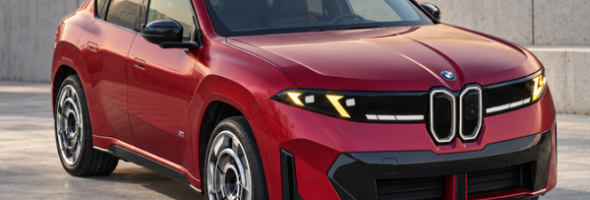
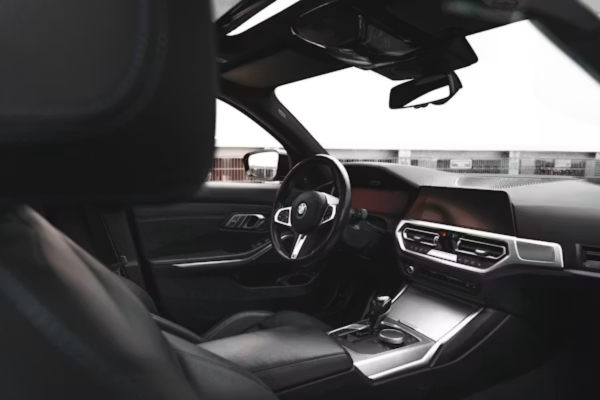
Walk into almost any new vehicle today and something feels different. The rows of physical buttons are gone. The gear shifter has disappeared. The dashboard stretches from door to door in a single, uninterrupted surface. This is not coincidence — it is a deliberate, industry-wide pivot toward minimalist interior design, and it is reshaping the way drivers and passengers experience their vehicles.
Less Is More: The Design Philosophy Taking Over
Minimalism in automotive interiors is not simply about aesthetics. At its core, it reflects a broader philosophy: that complexity should be invisible, and that every element inside a vehicle should serve a clear, intentional purpose. Brands from across the spectrum — luxury, mass-market, and electric-first — have embraced this approach with increasing conviction.
The result is cabins defined by clean horizontal lines, premium materials that speak for themselves, ambient lighting that replaces ornamental trim, and large touchscreens that consolidate dozens of functions behind a single interface. The traditional instrument cluster, once a centerpiece of driver-facing design, is either shrinking or vanishing entirely in favor of digital displays integrated directly into the dashboard architecture.
Technology as the Catalyst
The shift toward minimalism has been accelerated by the rise of software-defined vehicles. When a car’s functions are increasingly managed through digital platforms, the physical controls needed to operate them can be significantly reduced. Touchscreens, voice commands, and over-the-air updates allow manufacturers to manage an ever-expanding feature set without adding physical complexity to the interior.
Electric vehicles have played a particularly important role in this transition. Without a combustion engine driving mechanical and thermal requirements, EV interiors enjoy far greater design freedom. Flat floors, repositioned controls, and open cabin layouts have become hallmarks of electric-first architectures — and their influence is spreading rapidly to conventional vehicles as well.
Why Brands Are Committing to This Direction
For automakers, the appeal of minimalist interiors extends well beyond design awards. There are compelling practical and commercial reasons driving this trend:
- Cost efficiency: Fewer physical components can reduce manufacturing complexity and long-term warranty exposure.
- Brand differentiation: A clean, distinctive interior creates a strong visual identity that photographs well and resonates in digital media.
- Perceived modernity: Consumers increasingly associate minimal design with premium quality and technological sophistication.
- Scalability: Software-driven interiors allow brands to update features and interfaces without redesigning the physical space.
The Consumer Conversation
Not everyone is enthusiastic. A vocal segment of drivers — particularly those who value tactile feedback and intuitive controls — has pushed back against the wholesale removal of physical buttons. Adjusting climate settings, changing audio volume, or activating safety features through touchscreen menus while driving raises genuine concerns about distraction and usability.
Some manufacturers have listened. Rather than eliminating physical controls entirely, a growing number of brands are pursuing a balanced approach: retaining dedicated buttons for the most frequently used functions while still achieving the clean, uncluttered look that defines the minimalist aesthetic. This hybrid strategy reflects a maturing understanding that minimalism should enhance the driving experience, not complicate it.
A Cabin Designed for What Comes Next
Perhaps the most telling aspect of this trend is what it signals about the future of mobility. As vehicles evolve toward greater automation and connectivity, the role of the cabin is changing. It is no longer just a driver’s workspace — it is an environment where multiple occupants may need to work, relax, or interact with digital services simultaneously.
Minimalist design creates the spatial and visual foundation for that transition. Open, uncluttered interiors are more adaptable, more comfortable for longer journeys, and more compatible with the connected experiences that next-generation vehicles will offer.
The brands embracing this direction are not simply following a design trend. They are positioning themselves for a version of mobility where the cabin becomes as important as the vehicle itself — and where simplicity, done well, is the most sophisticated statement a manufacturer can make.