For most of automotive history, a car’s capabilities were largely fixed at the moment it rolled off the assembly line. Hardware determined performance, safety systems were static, and the only way to meaningfully upgrade a vehicle was to buy a new one. That model is now being fundamentally challenged by the rise of software-defined vehicles (SDVs) — a shift that is quietly rewriting the rules of how cars are designed, delivered, and experienced.
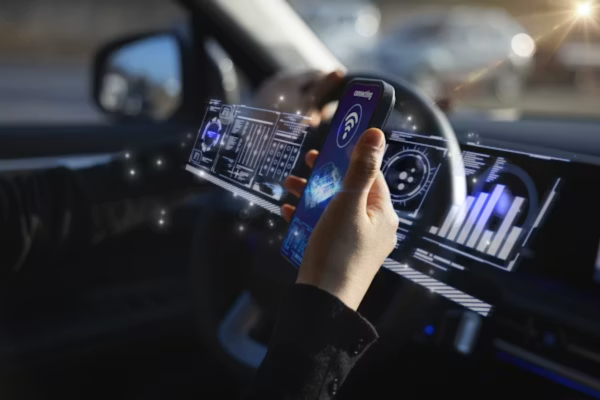
In a software-defined vehicle, the core functions of the automobile — from powertrain management and driver-assistance systems to infotainment and energy efficiency — are governed primarily by software rather than by fixed hardware configurations. This distinction may seem technical, but its implications for everyday drivers are profound.
How Software-Defined Vehicles Actually Work
Traditional vehicles rely on dozens of independent electronic control units (ECUs), each dedicated to a specific function. Software-defined vehicles consolidate these functions into centralized computing platforms, often described as vehicle operating systems. This architecture allows manufacturers to push updates, add new features, and even alter vehicle behavior remotely — much like a smartphone receives updates that improve its performance over time.
Over-the-air (OTA) updates have become one of the most visible expressions of this transformation. What once required a dealership visit can now be handled wirelessly, overnight, while the car sits in a driveway. Manufacturers can correct software issues, improve fuel or energy efficiency, and introduce new functionality without the owner ever needing to take any action beyond accepting an update.
What This Means for Drivers
The shift toward software-defined mobility brings both significant benefits and new considerations that drivers should be aware of.
- Continuous improvement: Vehicles can improve after purchase. Safety features can be enhanced, driving dynamics can be refined, and new conveniences can be added through software updates throughout the ownership lifecycle.
- Personalization: SDVs open the door to highly personalized driving experiences. Settings, preferences, and even performance profiles may be tailored to individual users rather than being preset by the manufacturer alone.
- Cybersecurity awareness: With greater connectivity comes greater exposure to digital risk. Drivers should stay informed about how their manufacturers manage software security and respond to vulnerabilities.
- Subscription-based features: Some manufacturers are exploring models where certain vehicle functions are unlocked through ongoing subscriptions. This represents a new commercial dynamic that consumers will need to evaluate carefully.
- Transparency and control: Understanding what data a vehicle collects, how it is used, and who has access to it becomes increasingly important as vehicles grow more connected and software-dependent.
The Industry Perspective
Major automakers across the globe are investing heavily in building proprietary software platforms, recruiting technology talent, and rethinking supply chains that have historically centered on mechanical components. The competitive pressure is significant, with technology companies entering the automotive space and raising expectations for digital-first vehicle experiences.
This transition also changes the relationship between automakers and their customers. Vehicle ownership increasingly resembles a long-term, evolving relationship rather than a single transaction. The manufacturer’s role does not end at the point of sale — it extends throughout the vehicle’s operational life.
Looking Ahead
Software-defined vehicles represent one of the most consequential evolutions in personal transportation since the introduction of the internal combustion engine. For drivers, adapting to this new reality means developing a greater understanding of the technology embedded in modern vehicles and engaging more actively with how that technology is managed.
The cars of tomorrow will be defined not just by what they are at the time of purchase, but by what they can become. That is a genuinely new kind of promise — and one that the automotive industry and its customers are only beginning to fully explore.