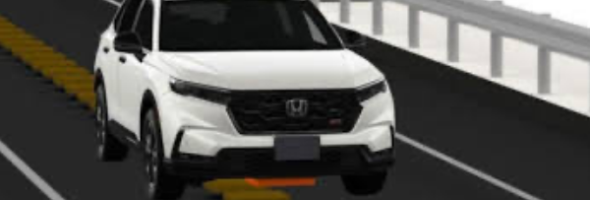
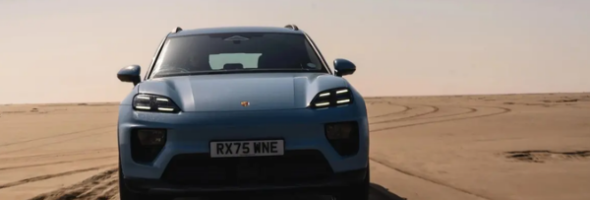
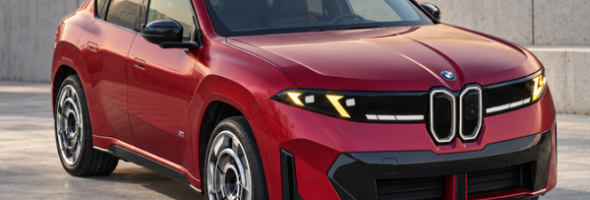
For much of the past decade, the size of a vehicle’s central display screen became an unofficial benchmark of modernity. Larger meant better. Larger meant smarter. Larger meant premium. Automakers competed to install ever-wider, ever-taller touchscreens into their dashboards, turning the center console into something that increasingly resembled a tablet stand bolted onto a car.
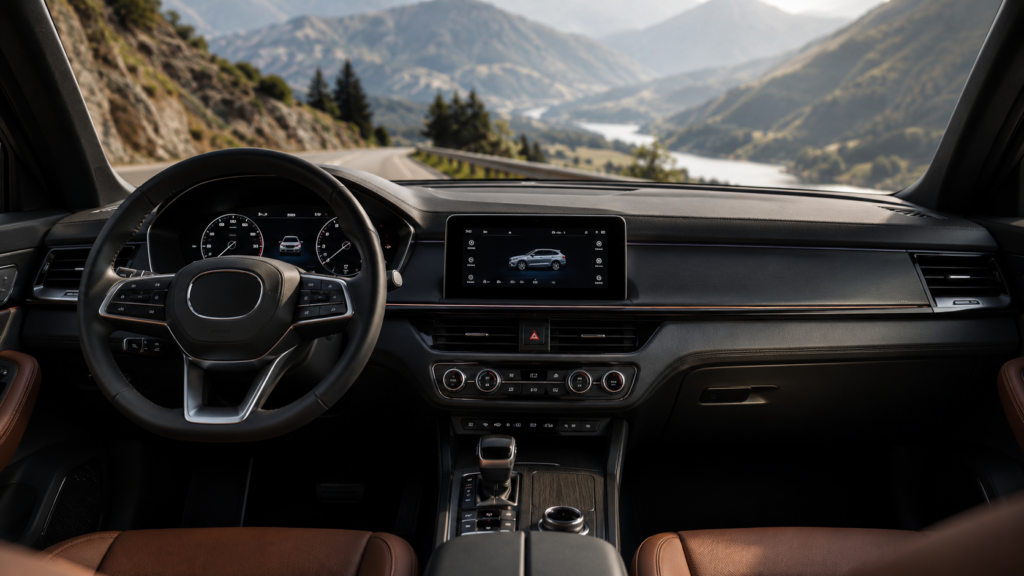
But a notable shift is quietly underway. Across segments and brands, designers and engineers are beginning to question whether the pursuit of screen real estate has come at a cost — specifically, the cost of driver safety, ergonomic comfort, and the overall quality of the driving experience.
The Case Against Oversized Displays
The criticism of large touchscreens inside vehicles is not new, but it is growing louder. Safety researchers and automotive usability experts have long raised concerns about the cognitive load placed on drivers when critical functions — climate control, audio settings, navigation inputs — are buried inside layered digital menus rather than accessible through physical controls.
Touchscreens, by their nature, require a driver to look away from the road to confirm that a finger has landed in the correct area. A physical knob or button can be operated largely by touch alone, without visual confirmation. This distinction, seemingly minor in isolation, accumulates meaningfully over the course of a journey.
Road safety organizations in several countries have conducted studies suggesting that interacting with large in-vehicle touchscreens can generate levels of driver distraction comparable to other widely recognized hazards. The conversation around this issue has matured significantly, moving from enthusiast forums into regulatory and policy discussions.
A Return to Physical Controls — With a Modern Twist
What is emerging in response is not a rejection of technology, but rather a more considered integration of it. Several automakers have begun reintroducing dedicated physical controls for high-frequency functions — volume, temperature, seat heating — while retaining digital displays for information-rich or lower-priority interactions.
This hybrid approach represents a recognition that the best interface is often invisible: one that allows a driver to operate the vehicle without interrupting their primary task of driving. The screen becomes a reference tool rather than a command center.
Interestingly, some luxury and performance-oriented brands have leaned into this rebalancing as a differentiator, positioning restrained, purposeful cabin design as a mark of sophistication rather than a concession to simplicity.
Design Philosophy Is Catching Up With Driver Reality
Interior designers are also reassessing the aesthetic dimension of the oversized screen era. Cabins dominated by large glass panels can feel clinical, impersonal, or visually busy — qualities that run counter to the sense of calm and focus that drivers often seek, particularly in premium or long-distance travel contexts.
A growing number of concept vehicles and production models are exploring ways to embed digital information more organically into the cabin environment: head-up displays projected onto the windshield, instrument clusters that integrate seamlessly into the dashboard surface, and ambient interfaces that communicate information through light rather than text.
These approaches aim to keep the driver informed without demanding their attention — a subtle but important distinction.
What This Means for the Road Ahead
The quiet retreat from oversized screens does not signal the end of digital integration inside vehicles. Connectivity, software-defined features, and over-the-air updates remain central to where the automotive industry is heading. But the conversation is increasingly about how technology is delivered, not simply how much of it can be packed into a dashboard.
For consumers, this evolution may translate into cabins that feel more intuitive, less demanding, and ultimately more pleasant to spend time in. For automakers, it represents an opportunity to lead with genuine usability rather than specification-sheet spectacle.
The screen is not disappearing from the modern vehicle. It is simply being asked to earn its place there.